
The integration of solar-plus-storage technology is essential for phasing out reliance on traditional fossil fuel plants while maintaining a continuous power supply. As of 2026, the United States is navigating a critical energy transition defined by federal mandates to slash greenhouse gas emissions by 52% from previous levels. This shift serves as an urgent response to the growing threat of climate change, characterized by increasingly severe droughts and wildfires that threaten regional stability. Simultaneously, the nation faces an unprecedented surge in power demand, driven largely by the rapid expansion of artificial intelligence, massive cloud computing infrastructure, and the systematic electrification of heavy industry. To address these dual challenges, federal agencies are currently fast-tracking large-scale renewable energy projects in regions identified as having the highest potential for solar harvesting. This strategy ensures that the infrastructure needed for a zero-carbon electricity sector by 2035 is deployed with efficiency and foresight.
Strategic Potential: The Nevada Solar Corridor
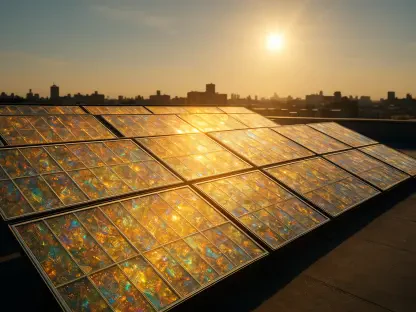
Public lands across Nevada have recently emerged as a primary focal point for utility-scale solar development due to their high-intensity solar radiation and expansive, flat landscapes. These desert regions offer a unique geographical advantage for industrial-grade energy production that few other areas can match. Modern projects in these corridors are increasingly incorporating advanced solar-plus-storage technology, which typically pairs 300-megawatt solar arrays with massive 400-megawatt battery energy storage systems. This technical integration is vital for stabilizing the regional power grid, as it allows excess energy captured during peak daylight hours to be stored and then discharged during the evening when demand typically spikes. By mitigating the inherent intermittency of sunlight, these sophisticated facilities provide a reliable and consistent alternative to traditional fossil fuel plants. This transition is not merely a matter of environmental policy but a necessary evolution in modern grid management and reliability.
The Bonanza Solar Project, situated near Indian Springs, stands as a prominent example of this industrial expansion on public lands. Managed by the Bureau of Land Management, this facility is designed to generate significant power output while utilizing a 400-megawatt battery system to ensure local grid resilience. However, the sheer scale of the project presents complex logistical hurdles, as the massive physical footprint requires thousands of acres of desert land. This demand for space naturally leads to significant land-use conflicts between energy developers and conservationists. As companies seek to capitalize on Nevada’s abundant natural resources, they are forced to navigate a complex landscape of environmental regulations, federal oversight, and historical preservation requirements. The project serves as a testing ground for how the government can balance the immediate need for carbon-free energy with the long-term responsibility of managing public lands for multiple uses, ensuring that industrial development does not permanently erase natural assets.
Preservation Challenges: Ecology and Cultural Heritage
A primary concern regarding the Bonanza Solar Project involves its significant overlap with sensitive biological zones and vital wildlife movement corridors. The proposed site intersects with essential migration paths for desert bighorn sheep, which rely on these lower desert basins for seasonal foraging as they move between mountain ranges. Furthermore, the area serves as a critical connectivity habitat for the Mojave desert tortoise, a species that remains highly susceptible to habitat fragmentation. The introduction of large-scale fencing and heavy machinery can disrupt the natural behavior and survival rates of these protected species. Biologists warn that without careful planning, the fragmentation caused by industrial infrastructure could isolate populations and reduce genetic diversity over time. This tension highlights the difficulty of placing massive infrastructure in ecosystems that appear empty but are actually teeming with life. Protecting these species requires more than just avoiding direct impact; it demands the preservation of the landscape’s connectivity.
Beyond ecological issues, the project area holds immense historical and paleontological value that complicates modern construction efforts. Extensive surveys have revealed high-density fossil beds dating back to the Ice Age, representing a non-renewable record of the earth’s ancient history. Additionally, the development threatens the visual integrity and cultural heritage of the Old Spanish National Historic Trail. This trail is a site of deep historical significance, and the installation of vast arrays of solar panels could permanently mar the viewshed that has remained largely unchanged for centuries. The challenge for developers is to maintain the historical feeling of the landscape while introducing modern industrial components. Preservationists argue that once these cultural and scientific resources are disturbed, they cannot be restored, making the initial siting of solar arrays a decision with permanent consequences. This necessitates a detailed archaeological and paleontological review process to ensure that the march toward a green future does not inadvertently trample the evidence of the past.
Operational Strategies: Implementing Sustainable Solutions
To address these unavoidable conflicts, the Bureau of Land Management has proposed a suite of mitigation strategies designed to protect local resources while allowing energy production to proceed. For instance, operational rules may require developers to halt all construction traffic during peak wildlife migration periods, giving bighorn sheep the right of way as they traverse the project boundaries. Other measures include using specialized fencing designs that allow for small animal connectivity while keeping the Mojave desert tortoise safe from construction hazards and moving equipment. Furthermore, adjustments to the project’s physical layout are being considered to avoid direct impact on the most sensitive paleontological sites. These proactive steps demonstrate that industrial-scale decarbonization does not necessarily have to come at the expense of Nevada’s unique ecology. By integrating conservation into the earliest design phases, developers can minimize their footprint while maximizing energy output, creating a template for future projects.
The federal government issued its Record of Decision for the project in late 2026, marking a pivotal moment in the state’s energy history. The success of this initiative depended heavily on the effective implementation of these strict operational rules and the continued monitoring of local wildlife. Stakeholders emphasized that a balanced approach was essential for maintaining public trust and ensuring the long-term viability of the nation’s green energy transition. Looking ahead, the focus must shift toward creating standardized biodiversity protocols that can be applied to all future solar developments in the Mojave Desert. This includes investing in real-time wildlife tracking technology and expanding the use of underground transmission lines to reduce visual impacts on historic trails. Ultimately, the integration of ecological data into the power planning process proved to be the most effective way to reach carbon goals without sacrificing natural heritage. By prioritizing these holistic strategies, Nevada established a new precedent for how the West can power the future while respecting its ancient and delicate environment.