
Waiting until electric vehicles are ordered before considering site power capacity is a high-risk strategy that often leads to avoidable operational delays and project stagnation. As businesses across the logistics sector move aggressively to meet net-zero targets, the central challenge has evolved from simply sourcing the right electric models to securing the necessary infrastructure to keep them moving. The transition of commercial fleets to electric power is no longer an optional sustainability goal; it is a fundamental shift in business operations driven by stringent clean air policies. While vehicle technology has reached a point of high reliability, the physical grid capacity remains a complex barrier for many companies. Success in this new landscape requires fleet managers to view electricity grid connectivity as a dynamic strategic asset rather than a static hurdle. By proactively addressing power requirements, companies can avoid the substantial delays that have historically hindered large-scale depot electrification.
Regulatory Support: Driving Efficiency in Grid Access
A major turning point for fleet electrification occurred with the 2023 regulatory reforms which overhauled how network access is funded by private entities. Under the previous framework, a single business often bore the massive financial burden of both their specific connection and the wider upgrades to the shared power grid infrastructure. This “deep” charging model created a significant financial barrier that forced many companies to reconsider or delay their transition to zero-emission vehicles. The implementation of the “shallower” charging model shifted the responsibility for shared network reinforcement costs away from the individual customer. This policy change recognized that a modern grid serves the collective good and that the transition to clean energy requires a more equitable distribution of infrastructure costs. By removing these steep upfront fees, the barrier to entry for large-scale charging projects has been significantly lowered, allowing more capital to be allocated to vehicles and internal depot upgrades.
Because of these regulatory shifts, the vast majority of new connections no longer require expensive distribution network upgrades paid for directly by the fleet operator. Current estimates suggest that only a small fraction of new projects face substantial reinforcement costs, which is a dramatic improvement over the landscape seen just a few years ago. This shift means that for most companies, the primary expense is now focused on the specific hardware and installation needed to connect their site to the existing grid. This reduction in upfront capital expenditure has cleared the path for a faster rollout of charging hubs across the region, enabling logistics firms to scale their electric operations with greater financial predictability. The stability provided by these reforms has encouraged long-term investment in charging infrastructure, as businesses no longer fear being hit with unexpected six-figure bills for neighborhood substation upgrades that they happened to trigger through their own fleet expansion plans.
Smart Connection Models: Flexible and Profiled Access
Even with improved regulations, some sites continue to face physical challenges due to their distance from the main grid or the sheer volume of power required for heavy-duty electric trucks. To solve this, smart grid operators have pioneered flexible connections, which utilize advanced monitoring systems to manage electricity demand in real time. In this specific model, fleet operators agree to occasionally reduce their power draw during rare periods when the local grid is under extreme stress. In exchange for this willingness to be flexible, businesses can get their charging depots online much sooner than if they waited for traditional, unconstrained infrastructure upgrades that might take years to complete. This approach transforms a rigid engineering problem into a manageable operational agreement, allowing companies to start using their electric fleets almost immediately while the wider network continues to evolve and modernize around them.
Another highly effective solution is the profiled connection, which matches a depot’s power usage to specific time windows when the local grid has excess capacity. For example, a delivery fleet that primarily charges its vehicles overnight, when overall demand from residential homes and heavy industrial factories is at its lowest, can access high levels of power without needing to upgrade local cables. This deterministic approach allows fleet managers to secure the energy they need by aligning their charging schedules with the natural cycles of the regional power network. By utilizing these profiled arrangements, companies can maximize their existing infrastructure and avoid the costs associated with peak-time power draws. This strategy is particularly beneficial for urban delivery operations that have predictable dwell times, as it turns the downtime of the fleet into a strategic advantage for both the company and the local utility provider.
Technical Innovations: Integrating Local Distribution Networks
A significant technical breakthrough has been the integration of Independent Distribution Network Operators, or IDNOs, into the broader smart grid ecosystem. These entities typically manage smaller, localized power networks for new commercial developments or large industrial sites. Historically, these local networks were often isolated from the sophisticated management tools used by regional grid operators, creating a visibility gap that complicated large-scale electrification. Now, advanced software systems like the Distributed Energy Resources Management System, known as DERMS, can monitor and manage these localized sites with high precision. This connectivity ensures that these smaller networks operate efficiently within the wider energy landscape, providing a holistic view of energy consumption and available capacity. The ability to bridge these different network types has been essential for expanding the reach of high-speed charging.
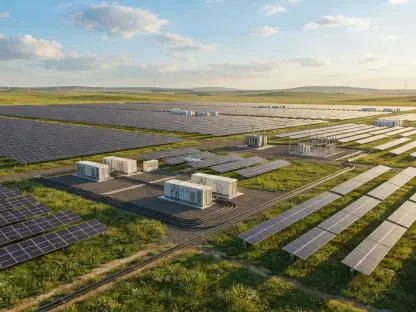
By extending these digital management tools to localized network customers, the grid can handle flexible demand with much greater accuracy than was possible in previous years. If the system detects a potential overload, it can send automated signals to a charging hub to modulate its power intake instantly without human intervention. This capability allows for the seamless integration of more low-carbon technology, such as onsite solar arrays and battery storage systems, which can supplement the grid during periods of high demand. It essentially creates a “brain” for the power network that balances supply and demand automatically, protecting the physical infrastructure while maximizing charging speeds for the fleet. This technological layer has turned the electricity grid from a simple copper-and-steel conduit into an intelligent data network that actively supports the rapid decarbonization of the heavy transportation sector.
Operational Strategy: Lessons from Successful Implementations
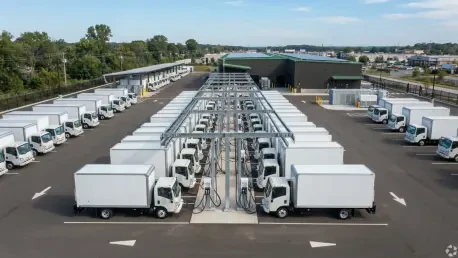
For modern fleet managers, the shift to electric vehicles has transformed the standard parking depot into a high-demand energy hub with astronomical power requirements. The central challenge is ensuring that the site’s power profile matches its operational needs perfectly. If a company expects a large delivery of electric trucks in a short timeframe but a standard grid upgrade is projected to take over a year, smart connections provide a vital shortcut that keeps the transition on track. This operational flexibility ensures that procurement schedules for new vehicles are not derailed by utility timelines, maintaining the momentum of corporate decarbonization goals. By treating electricity as a supply chain variable rather than a utility afterthought, companies have been able to maintain their service levels while phasing out internal combustion engines, demonstrating that logistical efficiency and environmental responsibility are compatible.
The success of these smart grid strategies is clearly visible in high-traffic locations like the charging hubs located at major highway service stations. By utilizing a flexible demand arrangement and localized network connections, these busy sites were able to come online efficiently despite the massive power demand of public fast-charging units. These projects served as a landmark proof of concept, proving that flexible, data-driven grid connections are the most effective way to support high-demand users in constrained environments. By embracing these smarter options, businesses ensured that their transition to an electric fleet was propelled by modern technology rather than stalled by outdated infrastructure models. These successful implementations provided a clear blueprint for other sectors, showing that with the right combination of software and strategy, even the most energy-intensive operations could be electrified.
Strategic Evolution: The Path to Resilient Fleet Power
In the final assessment, the transition to electric fleets was managed by those who recognized that power capacity was as critical as the vehicles themselves. Fleet operators who succeeded were those who integrated grid planning into the earliest stages of their strategic roadmaps. They moved away from the outdated expectation of guaranteed, unconstrained power at all times and instead embraced the reality of a responsive and active grid. By utilizing flexible and profiled connections, these businesses bypassed the multi-year delays associated with traditional construction projects. This shift in mindset allowed the industry to scale rapidly, as companies learned to work in harmony with the local utility providers. The cooperation between the energy and transport sectors reached a new level of maturity, where data sharing and automated demand response became the standard operating procedure for any large-scale logistics hub.
The industry eventually moved toward a model where energy management was a core competency of any successful logistics company. Operators found that by deploying onsite generation and storage alongside smart grid connections, they could insulate themselves from price volatility and network constraints. The lessons learned from the early adopters of these technologies paved the way for a more resilient and decentralized energy system. Companies that took proactive steps to engage with smart grid tools realized significant savings in both time and capital, positioning themselves as leaders in a zero-emission economy. Ultimately, the successful electrification of commercial fleets was not just about changing the engines in the trucks, but about fundamentally reimagining the relationship between the vehicle, the depot, and the power grid. This integration of technology and strategy proved to be the decisive factor in meeting aggressive climate targets.