
A significant maturation in corporate sustainability has moved beyond superficial gestures toward an integrated approach that encompasses procurement and on-site generation. This evolution has transformed the era when energy was merely a line item on a balance sheet into a complex environment where power sourcing dictates brand reputation and operational resilience. Today, the focus has shifted toward a proactive framework that treats energy not as a passive utility, but as a strategic asset essential for long-term commercial viability. Businesses are realizing that achieving net-zero targets requires more than just purchasing carbon credits; it necessitates a deep dive into the origin, production, and reporting of every kilowatt-hour consumed across their operations. By merging technical consultancy with operational execution, organizations are navigating the complexities of the energy market with a level of precision that aligns financial performance with environmental responsibility.
Advanced Procurement and Integrated Operational Intelligence
Navigating Diversified Renewable Power and Traceability
The current landscape of green energy has evolved far beyond a simple binary choice between standard and renewable power, as the market now offers a sophisticated spectrum of energy products tailored to specific corporate needs. Organizations are increasingly diversifying their energy portfolios to include fully renewable electricity, carbon-offset gas, and biomethane, moving away from generic, one-size-fits-all contracts. This variety allows firms to select procurement options that mirror their specific commercial realities and environmental ambitions with high accuracy. A critical trend in this sector is the emergence of Deep Green tariffs, which provide radical transparency for stakeholders and regulators who demand proof of impact. Rather than relying on standard renewable energy credits, businesses can now trace their electricity back to specific generation assets, such as a particular wind farm or solar array, ensuring every unit consumed is accounted for within a verifiable sustainability framework.
This move toward granular traceability is becoming essential for substantiating sustainability claims in an environment where regulatory scrutiny is at an all-time high. When a company can point to a specific wind turbine or a localized solar cluster as the source of its power, it creates a level of trust that generic certificates cannot match. This level of detail is vital for organizations that need to present honest carbon reports to consumers and investors who are increasingly wary of superficial environmental claims. Success in the modern market lies in aligning these energy contracts with a firm’s unique operational profile, ensuring that procurement strategy supports both financial stability and carbon reduction targets. By leveraging these advanced tariffs, businesses can transform their energy spend into a transparent demonstration of corporate values, effectively turning a standard operational expense into a powerful tool for building long-term brand equity in a low-carbon economy.
Transforming Energy Consumers Into Strategic Prosumers
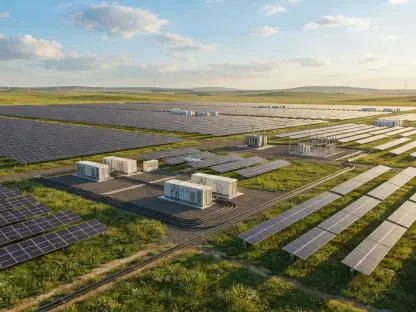
The transition from being a mere consumer to becoming an active prosumer—one who both produces and consumes energy—has emerged as a cornerstone of modern corporate strategy. Commercial solar power is no longer viewed as a standalone product but as a vital component of a wider operational plan that requires careful integration with existing consumption patterns. The viability of on-site generation depends heavily on physical site constraints, local engineering expertise, and the specific procurement arrangements already in place. By implementing bespoke solar systems, companies can significantly reduce their reliance on the volatile national grid while simultaneously supporting the local economy. Modern implementation involves comprehensive site surveys and professional installation, often supported by flexible financing models like rental agreements or upfront purchases. This flexibility allows businesses with varying capital expenditure capabilities to participate in the energy transition, turning unused rooftops into productive assets.
To manage the complexities of on-site generation and multi-site operations, businesses are turning to centralized energy intelligence platforms while moving away from transactional brokerage. These proprietary tools, such as the Etainbl platform, allow organizations to consolidate disparate data points from various meters and suppliers into a unified, actionable interface. This shift toward relational consultancy emphasizes that energy strategy should be an ongoing conversation rather than a contract renewal event. Key functions include automated invoice validation to ensure financial accuracy and the conversion of usage into carbon reports. This technological shift creates a source of truth, enabling leaders to make informed decisions based on real-time advice. Without such centralized intelligence and expert partnership, businesses struggle to bridge the gap between rhetoric and progress. By synthesizing data and maintaining personal consultation, companies can identify inefficiencies and maintain a clear, data-driven path toward their environmental goals.
Strategic Implementation for Future Resilience
The shift toward a holistic energy management model provided a clear path for organizations to move from reactive cost management to strategic environmental leadership. Those who successfully navigated this transition realized that combining informed procurement with on-site generation and robust data analytics was essential for long-term survival. The implementation of traceable Deep Green tariffs allowed businesses to validate their carbon claims, while the adoption of centralized intelligence platforms ensured that every financial and environmental metric was audited for accuracy. To continue this momentum, leaders should prioritize a comprehensive audit of their current procurement contracts and evaluate the physical potential of their properties for renewable generation. By establishing a partnership with expert consultancies that offer objective, real-time advice, companies positioned themselves to adapt to market fluctuations. Ultimately, the integration of technology and localized power production transformed energy into a strategic asset.