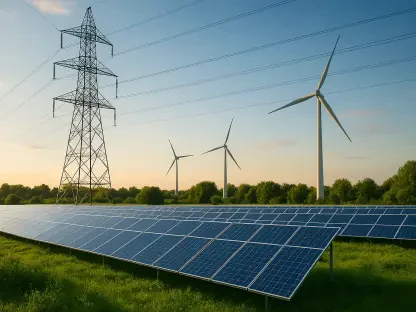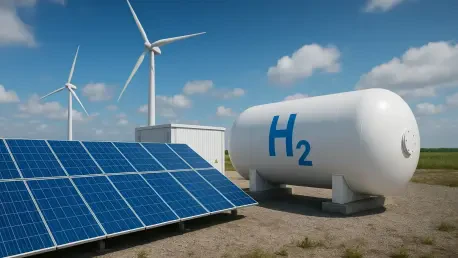

Utilizing local renewable electricity and carbon capture technologies can ease pressure on power grids while securing domestic supply chains. The current global energy landscape is shifting rapidly toward localized solutions that prioritize resilience over traditional, centralized distribution models. By leveraging modern electrolyzer technology alongside sophisticated systems-integration concepts, nations can now transform raw renewable energy into transportable synthetic fuels right at the point of origin. This shift represents more than just a technological upgrade; it is a fundamental reimagining of how energy independence is maintained during periods of geopolitical uncertainty or logistical disruption. The integration of modular fuel units into existing infrastructure allows for a high degree of flexibility, enabling both military and civilian sectors to operate autonomously when centralized grids are strained or compromised. This approach effectively bridges the gap between clean energy goals and the practical necessity of maintaining a reliable, steady supply of high-density fuels for heavy machinery.
The Role: Modular Systems and National Defense
Strategic partnerships between technology providers like Nel ASA and industrial giants such as Rheinmetall are spearheading this transition by focusing on the decentralized production of renewable synthetic fuels. The primary objective is to harden energy security for critical installations that cannot afford the risks associated with long, vulnerable transport routes from distant refineries. By deploying advanced electrolyzer systems integrated with modular “Giga PtX” units, these facilities can produce low-carbon alternatives to fossil fuels on-site, using nothing more than local renewable power and captured carbon dioxide. This modularity ensures that energy production scales according to specific demand, preventing the waste associated with overproduction while providing a buffer against international market fluctuations. Defense sectors are increasingly viewing this as a mandatory evolution, as energy resilience has become synonymous with operational readiness in a world where supply chains are frequently targeted or obstructed by external factors.
Furthermore, the move toward decentralized hydrogen-based fuels addresses the inherent weaknesses of the hub-and-spoke model that has dominated the energy industry for decades. In the traditional model, a single failure at a major refinery or a blockade of a specific shipping lane can paralyze an entire region’s transport capabilities. In contrast, a distributed network of modular production sites creates a web of energy nodes that are far more difficult to disrupt simultaneously. These units are designed to be mobile or semi-permanent, allowing them to be relocated to where they are most needed during emergencies. This level of adaptability provides a significant tactical advantage, as it ensures that domestic fuel supplies remain robust and responsive to real-time requirements. Transitioning to this model involves complex logistics, but the long-term benefits of reducing reliance on centralized, vulnerable infrastructure are becoming undeniable for both industrial leaders and defense planners who prioritize security.
Norway: A Strategic Blueprint for Energy Autonomy
The case for decentralized hydrogen is particularly compelling in regions like Norway, which possesses vast renewable resources but remains tethered to international refining networks for its liquid fuel needs. Despite its leadership in green energy, the country currently exports the majority of its crude oil for processing elsewhere and relies on a single domestic refinery for the bulk of its internal fuel supply. This paradox creates a strategic vulnerability that decentralized production aims to solve by converting surplus renewable electricity directly into synthetic fuels within the country’s borders. By doing so, Norway can maximize the utility of its hydroelectric and wind power while simultaneously bypassing the logistical hurdles of international shipping. This strategy not only secures the domestic supply chain but also provides a template for other nations with similar energy profiles. Utilizing local carbon capture to synthesize these fuels ensures that the resulting product is carbon-neutral, aligning with strict environmental mandates today.
Recent feasibility studies and strategic memorandums of understanding laid the groundwork for a future where energy was produced exactly where it was consumed. Industry stakeholders assessed the infrastructure requirements and sustainable carbon sources necessary to make these modular projects commercially viable on a global scale. Leaders from the technology and defense sectors emphasized that localized production was a vital element in the broader transformation of global energy systems, fostering resilience and lowering emissions simultaneously. The pilot projects initiated under these agreements demonstrated the effectiveness of modular networks in maintaining operational autonomy during logistical interruptions. Looking ahead, the focus shifted toward expanding these localized hubs and integrating them into regional power grids to create a cohesive, self-sustaining energy ecosystem. Moving toward decentralized hydrogen production provided a practical solution for securing energy supplies, ensuring that nations maintained control over their critical fuel resources.