
The rapid expansion of artificial intelligence infrastructure is placing an unprecedented strain on Colorado’s electrical grid, sparking a contentious debate between utility providers and environmental advocates over the transparency of energy procurement. As Xcel Energy attempts to navigate this surge in demand, the Sierra Club has raised alarms regarding the potential for backroom negotiations that could bypass essential public oversight and regulatory checks. This friction arises at a critical moment when the Colorado Public Utilities Commission is actively developing a new large-load tariff designed to shield residential ratepayers from the high costs associated with massive industrial connections. However, the prospect of private agreements threatens to render these public proceedings moot, effectively locking in energy strategies without the community input that typically governs such transformative shifts. The tension highlights a fundamental struggle between the economic drive for technological growth and the necessity of maintaining a fair, reliable, and sustainable energy ecosystem for all residents across the state.
Challenges to Transparency: The Conflict Over Private Contracts
Central to the current controversy is the allegation that Xcel Energy is utilizing specific state statutes to facilitate confidential agreements with major data center operators, effectively operating outside the traditional regulatory sphere. Critics, led by the Sierra Club, argue that these maneuvers allow the utility to secure energy sources, potentially including carbon-heavy fossil fuels, without undergoing the rigorous environmental and economic scrutiny required for standard rate adjustments. By bypassing the public docket, these private deals could establish long-term energy commitments that prioritize corporate interests over the broader public’s right to participate in the state’s decarbonization goals. This lack of visibility into the contractual terms creates a significant blind spot for regulators who are tasked with ensuring that new industrial loads do not lead to a degradation of air quality or an unfair shift in financial responsibility toward smaller, local consumers who lack the bargaining power of global tech giants.
In response to these accusations, Xcel Energy has consistently maintained that its actions remain strictly within the bounds of existing legal protocols while managing the complexities of a rapidly evolving market. The utility clarifies that the current phase of engagement with potential data center developers involves detailed technical evaluations and feasibility studies rather than finalized power purchase agreements hidden from view. These evaluations are necessary to determine how massive facilities will physically integrate into the existing transmission network, a process that inherently requires a period of several months to ensure safety and stability. Nevertheless, the opaque nature of the interconnection queue remains a focal point of distrust among energy experts who believe that a more open reporting system is required. Without a transparent roadmap of where and how much energy is being allocated, stakeholders remain concerned that the utility’s internal decisions will create irreversible momentum for infrastructure that does not align with the state’s long-term energy strategy.
Assessing the Impact: Infrastructure Risks and Grid Innovation
The scale of the incoming energy demand from proposed data centers represents a staggering challenge to Colorado’s power infrastructure, with estimates suggesting that these facilities could eventually double the peak demand currently managed by Xcel Energy. This level of growth necessitates massive investments in new transmission lines, substations, and generation capacity, raising difficult questions about who will ultimately bear the financial burden of these upgrades. If the costs are not strictly assigned to the industrial users driving the demand, residential customers could see significant increases in their monthly bills to subsidize the expansion of the digital economy. The risk is not merely financial; a grid stretched to its limits by continuous high-load users becomes more vulnerable to instability during extreme weather events or periods of high seasonal demand. Without a robust and transparent framework to manage this transition, the state risks a scenario where the pursuit of technological advancement inadvertently compromises the reliability and affordability of the entire energy system.
Beyond the immediate concerns regarding cost and reliability, the secrecy surrounding the specific locations and requirements of data centers creates a data vacuum that actively hinders innovation within the energy sector. When the details of large-load contracts are withheld from the public, third-party developers of microgrids, battery storage systems, and distributed energy resources are unable to identify where the grid is most strained. This information gap prevents the implementation of localized solutions that could alleviate pressure on the centralized system, forcing Xcel Energy to rely on expensive, large-scale infrastructure projects that take years to complete. By keeping the specifics of these industrial loads confidential, the utility effectively limits the market for modern, decentralized technologies that could provide a more flexible and resilient alternative to traditional grid expansion. A more transparent approach would allow for a competitive environment where innovative energy firms can offer services that reduce the overall cost of integration while enhancing the state’s technological leadership.
Developing Sustainable Frameworks: Data Centers as Strategic Assets
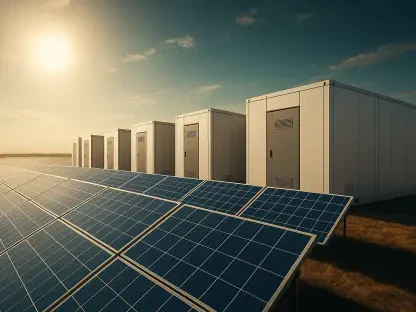
A significant technical hurdle in the ongoing negotiations involves the evolution of demand response programs, which are designed to incentivize large electricity users to reduce their consumption during times of peak grid stress. Xcel Energy has proposed utilizing its existing, legacy programs for this purpose, but many energy advocates argue that these older models are insufficient for the unique operational profiles of modern data centers. Unlike traditional industrial plants, high-tech data facilities possess the capability to act as dynamic grid partners through the use of sophisticated onsite battery storage and flexible workload management. Critics contend that the utility’s current approach treats these facilities as static burdens rather than assets that can contribute to grid stability if the right regulatory incentives are in place. Implementing more integrated rules would allow the grid to benefit from the massive energy storage capacity these sites inherently possess, turning a potential liability into a tool for balancing the intermittent nature of renewable energy sources like wind and solar power.
The resolution of these tensions required a shift toward collaborative investment models that balanced industrial growth with the economic protection of the broader public. In states where successful integration occurred, utilities and technology companies co-invested in dedicated clean energy projects, ensuring that new data centers did not compete with residents for existing resources. This approach necessitated the establishment of clear large-load guidelines that mandated transparency in the interconnection process while protecting sensitive corporate data through anonymized grid stress maps. Regulators moved toward adopting performance-based incentives that rewarded data centers for utilizing their onsite batteries to support the grid during emergencies. By prioritizing the deployment of advanced metering and real-time monitoring, officials created a feedback loop that allowed for the efficient allocation of power without the need for secretive negotiations. These measures ultimately transformed the energy landscape into a more equitable system where technological progress acted as a catalyst for infrastructure modernization rather than a source of uncertainty.