
The reactivation of the Hamilton biodiesel facility marks a significant shift in how renewable energy infrastructure can be managed through indigenous-led economic models. This project, which had faced stagnation under previous corporate structures, now benefits from a unique partnership between the Six Nations of the Grand River and local energy innovators. By leveraging enzymatic transesterification processes, the plant aims to produce millions of liters of low-carbon fuel annually, specifically targeting the heavy transport sector. The shift toward indigenous ownership represents more than just a change in management; it signals a new era where traditional stewardship and high-tech industrial operations converge to address environmental mandates. This resurgence is timely as regulatory requirements for carbon intensity in fuels become increasingly stringent across North America. The Hamilton site serves as a blueprint for localized, circular economies that prioritize long-term ecological stability over short-term quarterly gains.
Engineering Innovation: The Path to Sustainable Synthesis
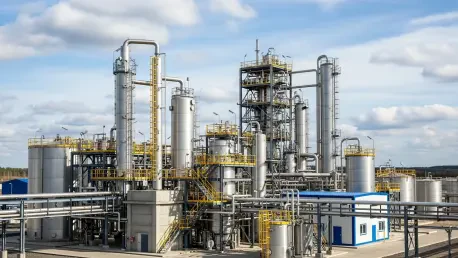
At the core of the newly reopened facility is the implementation of advanced feedstock pre-treatment systems that allow for a wider variety of inputs, including used cooking oil and non-food grade fats. Unlike traditional biodiesel production, which often relies on high-quality virgin oils, this plant utilizes a flexible distillation process to handle higher acidity levels in waste products. This technical adaptability ensures that the fuel produced meets the ASTM D6751 standards while simultaneously reducing the overall carbon footprint of the manufacturing lifecycle. Engineers on-site have integrated a closed-loop water recycling system, which drastically minimizes the environmental impact on the surrounding Hamilton harbor ecosystem. The integration of real-time sensor arrays and AI-driven monitoring allows for the precise calibration of chemical reactions, ensuring maximum yield. By focusing on these high-efficiency metrics, the facility manages to maintain a competitive price point against conventional diesel, even as global markets fluctuate.
The chemical process employed at the Hamilton plant relies on a specialized solid catalyst system that eliminates the need for water-intensive washing stages typical in older biodiesel refineries. This transition to anhydrous production methods represents a major leap in chemical engineering, as it prevents the creation of soap-like byproducts that previously hindered operational efficiency. Furthermore, the facility has optimized its glycerin recovery unit, turning what was once a waste stream into a high-purity pharmaceutical-grade byproduct that can be sold into the chemical market. This diversification of revenue streams strengthens the economic viability of the plant, making it less vulnerable to the price volatility of the energy sector. The facility also features a modernized loading rack equipped with automated blending systems, allowing for the creation of tailored fuel mixtures ranging from B5 to B100 depending on the requirements of logistics companies. Such precision ensures that the biodiesel is compatible with existing heavy-duty engines without mechanical upgrades.
Strategic Integration: Economic Stability and Workforce Growth
Integrating this facility into the broader regional economy provides a critical link for the transportation sector, which is seeking reliable methods to meet decarbonization targets. The Indigenous-led management team has established long-term procurement contracts with regional restaurant chains and food processing plants to secure a consistent supply of waste lipids. This localized supply chain strategy reduces the carbon emissions associated with transporting raw materials, effectively lowering the carbon intensity score of the final product. Moreover, the project creates specialized technical roles for community members, fostering a workforce skilled in high-tech renewable energy operations. Training programs focused on chemical plant management are being developed in tandem with local colleges to ensure a steady pipeline of talent. By retaining ownership and operational control, the community ensures that the profits remain within the local economy, funding further green initiatives. This model demonstrates how social equity and technological progress can be synthesized to create a resilient industrial base.
The success of the Hamilton plant demonstrated that distributed energy production facilities were the most effective way to address the complexities of modern fuel logistics. Strategic partnerships with municipal transit authorities and private shipping fleets were established to utilize the plant’s capacity for high-volume delivery. To maintain this momentum, stakeholders prioritized the expansion of decentralized storage networks that could buffer seasonal demand spikes and ensure a steady supply of low-carbon fuels. Future investments focused on upgrading the facility’s capability to handle even more complex waste streams, such as brown grease from wastewater treatment systems. This evolution further solidified the plant’s role as a cornerstone of the circular economy, transforming environmental liabilities into valuable energy assets. Policymakers and industrial leaders looked to this indigenous-led framework as a viable path for revitalizing underused industrial sites while meeting the rigorous demands of modern climate legislation. The shift toward these systems provided a clear roadmap.