
A sophisticated Advanced Oxidation Process system now stands as the primary defense against 1,4-dioxane for the 30,000 residents served by the Port Washington Water District. This newly unveiled $21 million facility at Christopher Morley Park represents a massive leap forward in municipal engineering and environmental protection on Long Island. For years, communities across the North Shore have grappled with the detection of trace chemicals in their groundwater, requiring a shift from traditional filtration to more aggressive interventions. The station is the operational heart of the district, housing three critical wells that supply approximately 60% of the total water capacity for the region. By modernizing this infrastructure, the district has effectively fortified the local water supply against contaminants once thought to be permanent. This proactive stance ensures that residents receive high-quality water without safety concerns, setting a new standard for utility management and environmental stewardship in the region.
Technical Solutions: Addressing Modern Contaminants
Advanced Oxidation: The Role of Chemical Neutralization
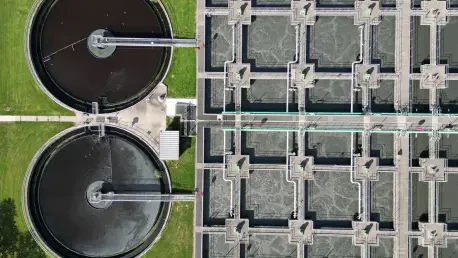
The Advanced Oxidation Process (AOP) utilizes hydrogen peroxide and ultraviolet light to break down chemical bonds in 1,4-dioxane, transforming a hazardous byproduct into harmless components. This process is essential because 1,4-dioxane does not adhere to standard carbon filters. The implementation of this technology required extensive engineering and testing to ensure that the dosages of UV light and chemicals were perfectly balanced for maximum efficacy. Beyond removing the chemical, the AOP system provides a scalable solution that can be adjusted as contaminant levels fluctuate over time. This flexibility is a cornerstone of the district’s strategy, allowing operators to maintain efficiency without the need for constant physical retrofits. The system reflects a shift in water management where chemistry and physics solve problems that physical filtration cannot. This approach ensures the facility remains at the cutting edge of purification standards, protecting the health of thousands of residents.
Carbon Filtration: Eliminating Persistent Forever Chemicals
Alongside AOP, the installation of Granular Activated Carbon (GAC) vessels provides a robust layer of protection against per- and polyfluoroalkyl substances, known as PFAS. These “forever chemicals” have gained attention due to their persistence in the environment and impact on public health. The GAC system works by passing water through massive canisters filled with porous carbon material, which traps PFOA and PFOS before they reach the distribution network. By integrating GAC with AOP, the Port Washington Water District has created a treatment train that addresses multiple classes of contaminants simultaneously. This comprehensive approach ensures compliance with the most stringent drinking water standards established by state and federal health agencies. The facility represents a commitment to exceeding baseline safety requirements, providing a level of purity that anticipates more rigorous future regulations. This dual-stage treatment process is now a hallmark of the station, symbolizing a new era of filtration.
Strategic Governance: Funding and Regional Collaboration
Fiscal Stewardship: Securing State and Federal Grants
Securing the necessary capital for a project of this scale required a financial strategy that balanced the need for upgrades with the desire to protect local taxpayers. The Port Washington Water District successfully leveraged over $11 million in external funding from the New York State Water Infrastructure Improvement Act and the federal Bipartisan Infrastructure Law. This influx of grant money covered more than half of the total project cost, demonstrating the effectiveness of proactive grant writing. By pursuing these funds, the district ensured that the technological transition at Christopher Morley Park remained fiscally sustainable for the community. This financial model serves as a blueprint for other utility providers facing similar environmental mandates, proving that high-level investment is achievable through strategic partnerships. The successful acquisition of these grants reflects a broader trend of utilizing federal resources to address regional challenges that transcend local boundaries and require collective action.
Professional Legacy: Navigating Legal and Administrative Hurdles
Navigating the jurisdictional complexities of constructing a utility facility on Nassau County parkland required specialized legal expertise. The late Peter M. Fishbein, who served as the district’s counsel for over twenty years, was instrumental in managing the administrative hurdles that could have delayed the project. His ability to facilitate dialogue between county officials, state regulators, and the water district ensured that the facility met all environmental and legal requirements for use of protected land. The dedication of the station in his name acknowledges the decades of service he provided and his role in bringing this project to a functional reality. This collaborative effort extended to support from local and federal leaders, including U.S. Representative Tom Suozzi and Governor Kathy Hochul, who helped navigate the regulatory landscape. The project stands as a testament to the fact that legal and political groundwork is vital for ensuring that vital services are built and maintained.
Strategic Resilience: Future-Proofing the Local Environment
The unveiling of the Christopher Morley Park station established a clear path forward for municipalities grappling with groundwater issues. Leaders observed how the integration of Advanced Oxidation Processes and Granular Activated Carbon provided a definitive solution to persistent chemical threats. To replicate this success, other water districts were encouraged to begin auditing their well capacities and pursuing federal grant opportunities available for infrastructure renewal. The project demonstrated that the most effective next steps for water safety involved a combination of technological modernization and aggressive financial planning. It was emphasized that maintaining the integrity of the aquifer required continuous monitoring and a willingness to adopt advanced engineering practices. By prioritizing the removal of 1,4-dioxane and PFAS, the Port Washington Water District set a new benchmark for water quality. The successful launch proved that collaborative governance could overcome environmental challenges, ensuring a sustainable and secure water supply.