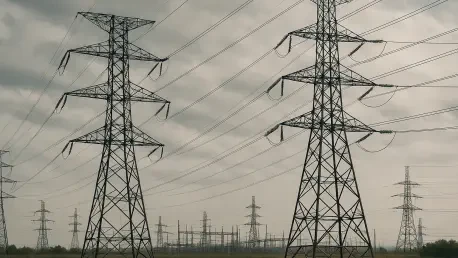

Managing data centers as flexible assets rather than static loads is becoming the primary mechanism for meeting the massive energy demands of the artificial intelligence era. As the global race for computational supremacy accelerates, the North American electrical grid is struggling to keep pace with the sheer volume of power required by hyperscale facilities. Developers today are frequently met with a harsh reality: connecting a new data center is no longer a standard administrative step but a complex engineering hurdle that can take half a decade to clear. This speed-to-power crisis stems from a legacy grid design that was never intended to support the dense, concentrated energy consumption typical of modern AI training clusters. Consequently, the industry is witnessing a shift where technological progress is no longer limited by chip design or capital, but by the physical capacity of the electrical wires that supply the necessary electrons to run these massive systems.
The Evolution of Grid Interconnection: Moving Beyond Physical Wires
The historical framework for utility interconnection has long been defined by a binary, all-or-nothing paradigm that prioritized absolute grid safety over operational flexibility. Under this traditional model, a utility typically refuses to provide power to a new industrial project unless the existing infrastructure can handle the facility’s maximum requested load at every single moment of the year. This approach assumes that a data center will always operate at peak capacity, even though actual usage patterns often fluctuate significantly based on compute demand and scheduling. Because of this rigid stance, developers who need immediate power are frequently forced to wait for massive, capital-intensive upgrades to local substations and transmission lines. This delay has inadvertently encouraged the growth of behind-the-meter power solutions, where companies build their own fossil-fuel plants to bypass the grid, which ultimately works against broader decarbonization goals.
Camus Energy has introduced a viable alternative to this infrastructure stalemate through its FlexConnect platform, which redefines how data centers interact with the grid. Instead of relying solely on physical expansions, the platform utilizes advanced software orchestration to establish flexible operating limits for large energy users. By providing utilities with real-time visibility and control, this system allows new data centers to connect to the existing grid almost immediately, provided they agree to operate within specific constraints during periods of extreme peak demand. This strategy effectively maximizes the utilization of existing poles and wires, transforming the grid from a static delivery system into a dynamic, responsive network. By using AI to manage these energy flows, the industry can bypass the five-year construction cycles that have previously hampered growth. This shift represents a generational opportunity to harness computational intelligence to optimize energy distribution on a global scale.
The Google for Startups Accelerator: A Catalyst for Grid Modernization
Google has recognized the critical nature of this energy transition by selecting Camus Energy for the 2026 Google for Startups Accelerator program. This ten-week initiative is specifically designed to fast-track the development of AI-driven technologies that can modernize the aging electrical grid and support clean-tech infrastructure. For Camus, the program offers far more than traditional mentorship; it provides a direct platform to deepen its technical integration with Google Cloud and refine its solutions for the global market. The timing is essential, as the program runs throughout the final quarter of this year, allowing the company to scale its operations just as the demand for AI compute reaches new heights. By aligning with a tech giant that is both a major energy consumer and a leader in cloud computing, Camus is positioning itself at the very center of the conversation regarding how the next generation of industrial power is delivered and managed.
This collaboration provides a practical blueprint for how hyperscale data center operators and major utilities can finally cooperate to solve shared infrastructure challenges. By working with industry giants like Duke Energy, Edison International, and PG&E, Camus is demonstrating that software-defined orchestration can unlock new capacity without compromising local grid stability. This partnership highlights a fundamental shift toward a more collaborative ecosystem where tech companies and energy providers work in tandem. The focus is no longer just on consuming power, but on how those consumers can act as stabilizing forces for the entire network. Through this program, Camus is proving that the grid can handle significantly more load if that load is managed with precision. This model of shared responsibility is becoming the standard for any large-scale industrial project looking to connect to the grid in a timely manner while supporting regional sustainability targets.
Technical Mechanics of Grid Flexibility: Managing Dynamic Power Loads
The technical success of this software-led model relies on a clear distinction between firm and conditional power types. Firm power represents a guaranteed amount of electricity that a data center can always draw from the grid, ensuring that mission-critical operations remain online. Conditional power, on the other hand, is additional electricity that is available for the vast majority of the time but may be restricted by the utility during rare periods of extreme grid stress or peak demand. This tiered approach allows developers to access the power they need for high-intensity training jobs without requiring the utility to build out massive new capacity that would only be used for a few hours each year. By accepting these flexible operating limits, data center operators gain the ability to scale their workloads more aggressively, using the conditional power as a catalyst for rapid growth while the grid remains safe and reliable.
To manage this complex balancing act, the software utilizes advanced grid analytics and predictive weather forecasting to identify when the local network might reach its physical limits. It then communicates a specific operating envelope to the data center developer, giving them advance notice to adjust their operations as needed. This might involve tapping into on-site battery storage systems or deferring non-essential background computing jobs to a later time when grid stress has subsided. By solving these capacity issues through digital orchestration rather than physical construction, utilities can avoid passing the costs of expensive, redundant upgrades down to the average ratepayer. This precision ensures that the grid is utilized at its maximum safe potential, reducing the waste associated with over-engineered infrastructure and allowing for a more efficient allocation of existing electrical resources across the entire country.
Economic Viability and Ecosystem Growth: The Multi-Stakeholder Advantage
The move toward flexible interconnection creates a favorable economic scenario for every major stakeholder involved in the modern energy landscape. Developers gain nearly immediate access to the power grid, which removes the single largest barrier to financial growth in the AI sector. At the same time, utilities are able to secure high-demand customers and increase their revenue streams without the immediate requirement for massive capital expenditures on new transmission infrastructure. Furthermore, the local environment benefits significantly from a reduced reliance on emergency fossil-fuel generation, as the digital management system maximizes the use of an increasingly green power grid. By avoiding the construction of inefficient, off-grid gas plants that were once necessary to bypass grid bottlenecks, the industry is moving closer to its long-term climate goals while still meeting the intensive demands of the modern computational age.
Camus Energy is not working in isolation but is part of a larger, vibrant community of innovators focused on the total modernization of the electrical grid. Other startups within the Google Accelerator, such as Grid Status and Anode, are collectively addressing the energy bottleneck through a variety of unique and specialized means. These firms range from providers of real-time market intelligence to developers of AI-orchestrated virtual utilities that can mobilize microgrids during times of need. Together, they are proving that a software-defined grid is a viable, first-class solution for maintaining reliability while meeting the massive energy demands of the AI era. This ecosystem of startups is creating a more resilient and flexible power architecture that can adapt to changing needs in real time. The success of these firms indicates that the future of power is not just about producing more electricity, but about managing the electricity we already have with much greater intelligence.
Strategic Outcomes of Software-Defined Utilities: Actionable Next Steps
The successful implementation of flexible interconnection pilot programs demonstrated that software-defined grid management was a robust solution for the AI era. Utilities that adopted these dynamic operating envelopes saw an immediate reduction in the backlog of interconnection requests, effectively decoupling industrial growth from long-term infrastructure construction cycles. These early adopters shifted their focus toward integrating diverse energy sources, including virtual power plants and distributed storage, which allowed them to maintain reliability without increasing rates for residential consumers. Moving forward, stakeholders prioritized the standardization of data exchange protocols between hyperscalers and grid operators to ensure seamless orchestration across different regions. These actions proved that the energy transition did not require a total physical overhaul of the electrical system, but rather a sophisticated layer of intelligence that aligned supply and demand in real time.
Grid operators who sought to replicate these results found that the first essential step was the integration of high-resolution sensor data into a centralized management platform. By creating a digital twin of the local distribution network, engineers were able to simulate various load scenarios and identify the exact points where flexible limits would be most effective. This proactive approach allowed for the safe connection of massive compute clusters while protecting local community resources. Developers, in turn, optimized their internal workloads to be more interruptible, using battery storage as a buffer against conditional power fluctuations. This cultural shift within the tech industry—viewing energy as a dynamic resource rather than an infinite utility—became the foundation for a more sustainable industrial future. Ultimately, the transition to a software-orchestrated grid ensured that the pursuit of artificial intelligence remained compatible with the global commitment to a clean and stable energy infrastructure.