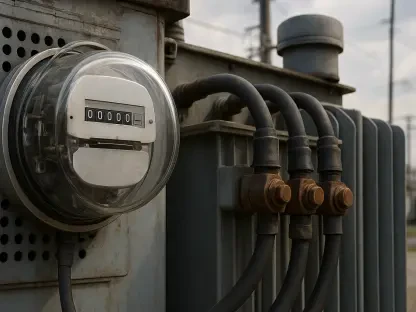

The American electrical grid operates on a fragile foundation of twentieth-century infrastructure that was never intended to support the massive energy demands of a hyper-connected society. As extreme weather events become more frequent and the rapid electrification of transportation and heating systems accelerates, the limitations of these analog systems have become a matter of national security and economic stability. Utility companies are currently in the midst of a massive technological pivot, replacing traditional spinning-disk meters with Advanced Metering Infrastructure, commonly known as smart meters. This transformation is not merely about changing a physical device on the side of a house; it represents the birth of a decentralized, digital nervous system for the power grid. By integrating sensors and wireless communication protocols, providers are attempting to gain the visibility required to balance fluctuating loads in real time, moving away from a reactive model toward a more resilient energy network in 2026.
Operational Resilience: Enhancing Reliability and Resource Safety
Smart meters have already reached a majority of American homes, offering a constant stream of information that traditional meters simply cannot provide to utility operators. In the past, companies often had to wait for customers to report power failures before they could take action, leading to prolonged delays during major weather events. With digital technology, the system identifies outages instantly, allowing crews to be dispatched to exact locations without any delay from the manual reporting process. This capability extends to natural gas and water management, where advanced sensors detect unusual spikes in usage that might indicate a dangerous leak or a burst pipe. By triggering automatic shutoffs or alerting technicians to investigate immediately, these systems prevent catastrophic emergencies and ensure that critical resources are managed safely. Research shows that this proactive approach reduces the duration of service interruptions and turns utility providers into active managers who can identify equipment failures before they cause a complete shutdown.
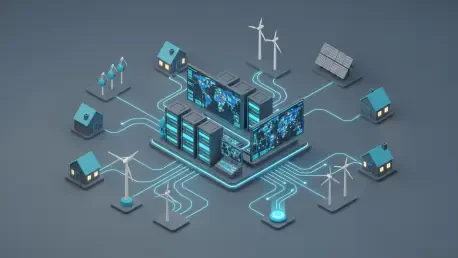
Beyond the immediate detection of outages, the implementation of a modern digital framework allows for a more sophisticated approach to long-term load balancing across the country. In a landscape where renewable energy sources like wind and solar are increasingly integrated into the supply, the grid must be flexible enough to handle variable inputs that fluctuate with the weather. Smart meters act as the primary interface between the consumer and the broader distribution network, allowing for demand-response programs that encourage the reduction of energy use during peak periods. This bidirectional communication ensures that the supply side of the equation is constantly informed of shifts in demand, preventing the kind of surges that lead to cascaded equipment failures. Furthermore, the integration of edge computing within these devices provides a decentralized layer of intelligence that can make split-second decisions locally, which significantly improves the overall stability and performance of the national energy transmission infrastructure.
Navigating the Human Element: Consumer Impact and Strategic Solutions
The transition to digital metering offers significant financial and operational advantages that extend far beyond simply fixing downed power lines during emergencies. These devices are exponentially more accurate than aging mechanical meters, ensuring that energy usage is recorded correctly rather than being under-reported due to physical wear on moving parts or human error. Because the data is transmitted wirelessly through secure mesh networks, companies can also reduce operational costs by eliminating the need for manual meter readings and the associated fleet expenses for trucks on the road. These savings and the resulting revenue growth are often viewed by industry leaders as essential for funding the massive upgrades needed to keep the grid functional in the long term. By capturing every kilowatt-hour accurately, utilities can better plan their capital investments, ensuring that the funds recovered from consumers are directed toward the most critical areas of physical grid hardening and cybersecurity protection to ensure a stable supply.
Despite the technical progress, the rollout of smart meters faces criticism from those worried about the financial impact on everyday households and the erosion of individual privacy. Advocacy groups argue that the high cost of these technology upgrades is often passed down to consumers through higher monthly rates rather than resulting in direct, immediate savings for the average bill payer. Furthermore, the granular data recorded by these devices provides a detailed window into a person’s private life, such as their daily routines and appliance usage, which has sparked a national debate over data ownership. In many jurisdictions, individuals who prefer to keep their old analog meters face steep fees for reinstallation and ongoing manual reading services, leading to accusations that companies are penalizing those who value their privacy. Balancing the need for a modern, efficient grid with the individual’s right to keep personal data private remains a complex challenge that requires clear regulatory frameworks and transparent data-handling practices.
The transition toward a fully digitized utility network required more than just technical installation; it necessitated a fundamental shift in how regulators and consumers interacted with energy data. To maximize the utility of these investments, policymakers began implementing dynamic pricing models that rewarded users for shifting heavy electricity consumption to off-peak hours, which effectively lowered the overall strain on the grid. Simultaneously, the integration of smart meters with home automation systems allowed for a more seamless management of power, reducing the risk of localized outages during peak summer months. Industry leaders also prioritized advanced cybersecurity protocols to ensure that the sensitive data transmitted over these networks remained protected from external threats. While the initial costs of deployment were significant, the focus shifted toward creating a flexible framework capable of absorbing renewable energy sources with greater efficiency. This comprehensive approach ensured that the modernization of the power grid remained a public priority for long-term stability.