
Brussels is moving away from its historical reliance on top-down mandates in favor of a stability-focused approach that emphasizes the enforcement of current environmental regulations. This shift signals a new era for the European Union as it moves toward the post-2030 energy landscape with a sense of pragmatic urgency. For years, the focus remained on setting aggressive legislative targets to drive the adoption of clean energy, but a transition toward strengthening physical infrastructure is now taking center stage. Policymakers are realizing that simply passing laws is no longer sufficient if the underlying systems cannot support the rapid influx of renewable power. Consequently, the primary objective has evolved into ensuring that green energy is not just a theoretical capacity figure but an effectively integrated resource that powers homes and industries across the entire continent. This recalibration highlights the end of the ambition phase and the start of a concrete implementation period that prioritizes results over rhetoric.
Addressing the Infrastructure Bottleneck
The Economic Impact: Aging Grids and Curtailment
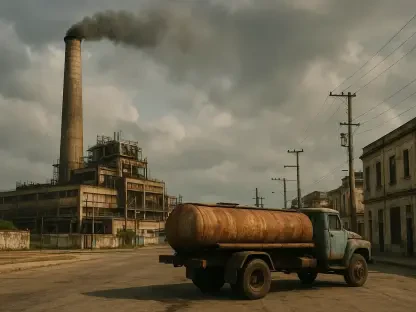
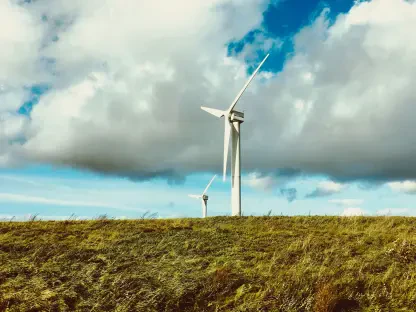
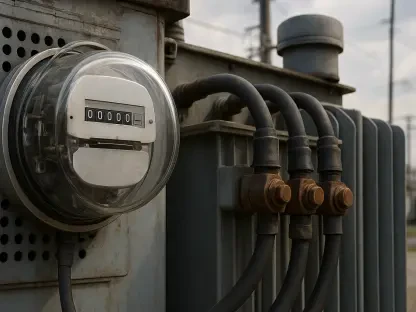
The most significant obstacle to Europe’s green transition is no longer a lack of generation capacity but rather an aging and insufficient power grid. While wind and solar capacity have expanded rapidly, accounting for nearly half of the EU’s electricity generation in 2025, the physical infrastructure required to move this power has lagged significantly behind. This technological mismatch has resulted in a phenomenon known as curtailment, where clean energy is effectively discarded because the grid cannot handle the load or lacks the connectivity to transport it to high-demand areas. In 2024, more than 10 terawatt-hours of renewable power were wasted, which is enough electricity to power nearly 2.85 million homes for an entire year. These statistics highlight a systemic failure that threatens to undermine years of progress in the renewable sector. Without a massive overhaul of the transmission network, the gap between potential energy production and actual utility will continue to widen as more projects come online.
Financial Realities: Redispatch Costs and Technical Solutions
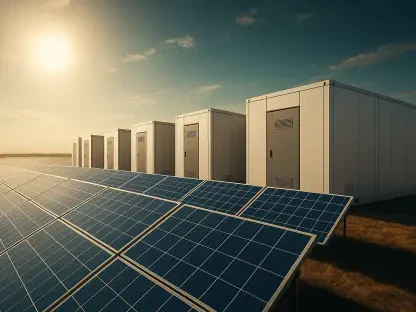
When the existing grid fails to deliver inexpensive green power from northern wind farms or southern solar arrays, system operators are forced to implement costly redispatch measures. These actions involve using more expensive fossil-fuel power plants that are located closer to population centers to ensure the lights stay on when renewable transmission fails. These operational inefficiencies carried a heavy price tag of approximately €4.3 billion in 2024, and the trajectory is concerning. Projections indicate that if infrastructure is not prioritized immediately, these costs could soar to €26 billion annually by 2030. This financial burden is ultimately passed on to consumers and industries, making the energy transition appear more expensive than it actually is. To mitigate these risks, the Commission is exploring technical interventions designed to enhance system flexibility, such as better storage integration and smart charging systems for electric vehicles that can act as batteries during peaks.
Balancing Centralization and Ambition
Political Friction: Sovereignty and Centralized Planning
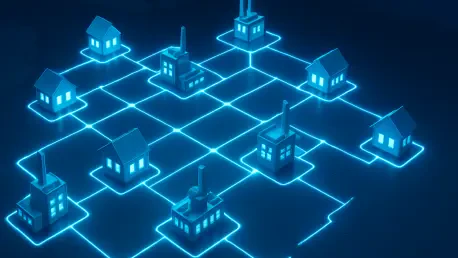
A central component of the new strategy involves moving toward a more unified and centralized system for energy planning across the bloc. The European Commission is increasingly looking to take a leading role in mapping future grid needs, replacing the fragmented national efforts that have dominated for decades. However, this push for centralization is a major source of political tension. Several member states remain deeply hesitant to surrender national sovereignty over their energy infrastructure, viewing it as a core component of their security and economic policy. While proponents argue that coordinated rules are essential to stabilize electricity prices across different regions, the transition from local to federalized planning remains a sensitive diplomatic challenge. Bridging the gap between national interests and collective European efficiency is the next hurdle for policymakers. The goal is to create a seamless energy market where power flows freely across borders without the current bottlenecks.
Future Trajectory: Execution and System Resilience
Ultimately, the path toward the 2040 objective of a 90% net reduction in greenhouse gas emissions required a fundamental transformation of a fragmented landscape into a resilient, modernized, and cost-effective power system. Stakeholders recognized that the era of simply setting high goals needed to be succeeded by an era of disciplined execution and technical refinement. Looking forward, the focus remained on accelerating the permitting process for cross-border projects and providing the financial instruments necessary to de-risk grid investments. Leaders prioritized the development of a smart grid that integrated artificial intelligence to predict demand and manage renewable supply more efficiently. By addressing the physical constraints of transmission and maximizing storage capabilities, the European Union positioned itself to turn theoretical renewable potential into a dependable reality. These steps ensured that the transition remained economically viable while providing a blueprint for other regions.