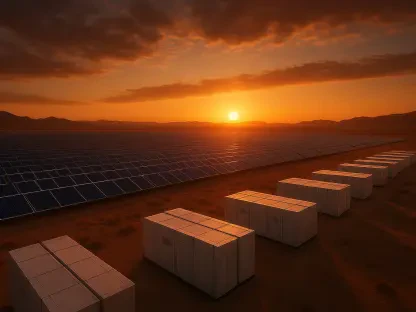

The rapid expansion of artificial intelligence and high-performance computing has created an unprecedented demand for stable, carbon-free electricity that traditional grid infrastructures are currently struggling to provide at scale. This massive energy requirement has prompted tech giants to move beyond simple power purchase agreements toward direct investment in massive physical infrastructure projects. Google recently announced a landmark initiative to spearhead the construction of the largest combined solar and battery storage installation in the United States, specifically designed to power its growing network of data centers. Located in a region with high solar irradiance, this facility represents a shift from passive consumption to active utility-scale management. By integrating hundreds of megawatts of photovoltaic capacity with state-of-the-art battery systems, the project aims to ensure that renewable energy remains available even when the sun is not shining.
Technical Specifications: Advancing Renewable Infrastructure
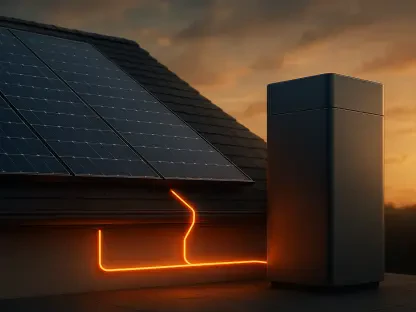
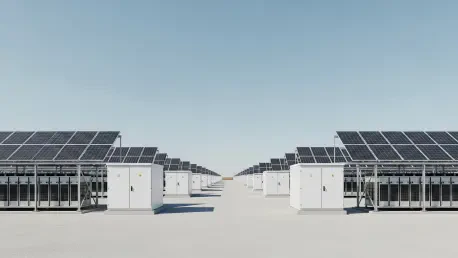
At the core of this monumental development is the implementation of advanced bifacial solar modules that capture sunlight on both sides, significantly increasing the overall energy yield per square meter compared to traditional panels. These modules are paired with a sophisticated tracking system that follows the path of the sun throughout the day, maximizing exposure and ensuring a steady flow of electricity into the regional network. The project covers thousands of acres, creating a field of glass and silicon that serves as a power plant for the digital economy. Beyond the solar array, the facility includes a battery energy storage system designed to hold megawatt-hours of power. This component is critical for addressing the variability of solar generation, allowing the site to discharge electricity during evening hours. By using lithium-iron-phosphate battery chemistry, the system offers high thermal stability and a long operational lifespan.
Building on this technical foundation, the project serves a dual purpose by providing substantial benefits to the local electric grid and the surrounding communities. While the primary objective is to supply clean energy to nearby server farms, the excess capacity generated during peak production hours can be redirected to stabilize the broader utility network. This is valuable during heatwaves or cold snaps when the grid is under stress and traditional fossil fuel plants may struggle to keep up with surging demand. Furthermore, the construction and maintenance of such a large-scale facility create high-skilled jobs in the renewable energy sector, fostering economic growth in areas previously underserved by the tech industry. The integration of this project into the local infrastructure also encourages other corporations to consider similar investments, potentially leading to a cluster of green energy innovation.
Strategic Impact: Scalability and Future Energy Security
This strategic investment highlights a broader trend among global technology leaders who are increasingly prioritizing energy sovereignty and sustainability as core components of their operational resilience. As AI models become more complex, the electricity required to train and run them has skyrocketed, making it imperative for companies to secure their own power supplies rather than relying solely on market structures. By owning and operating the largest solar and battery project in the country, the organization is setting a precedent for how large-scale consumers can take responsibility for their carbon footprint. This model of vertical integration in the energy sector allows for better long-term planning and reduces exposure to the fluctuating costs of the wholesale electricity market. Moreover, the project showcases the viability of combining variable renewables with long-duration storage at a scale once thought to be impossible.
The successful deployment of this massive solar and storage project proved that private enterprise could effectively bridge the gap between sustainability goals and the intensive energy needs of modern computing. This initiative demonstrated that utility-scale batteries were no longer just a peripheral technology but a fundamental pillar of grid stability in the transition to renewable power. Stakeholders recognized that waiting for public infrastructure to modernize was not an option, leading to a surge in direct private investment across the energy sector from 2026 to 2028. Moving forward, policymakers should streamline the permitting process for multi-megawatt storage facilities to capitalize on this momentum. Companies looking to replicate this success must focus on securing land with high irradiance and establishing partnerships with regional grid operators. The shift toward self-sustaining energy ecosystems provided a roadmap for future developments.