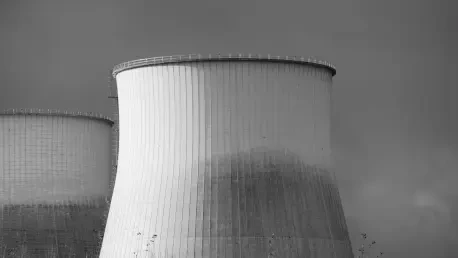

The intersection of climate-induced environmental challenges and national energy security has necessitated a monumental hydraulic engineering effort on the Danube. The Paks Nuclear Power Plant, a cornerstone of the regional energy matrix, recently encountered an unprecedented operational bottleneck as the Danube River reached historical lows. This cooling dependency created a single point of failure that threatened to destabilize the national grid during a period of extreme heat. When the water volume plummeted, engineers were forced to throttle back the reactors, leading to a significant deficit in electricity generation. The situation became a race against time, as the primary intake structures were nearly exposed, risking the integrity of the thermal exchange systems. This crisis prompted an immediate mobilization of governmental resources, combining military precision with advanced hydraulic modeling. The goal was simple yet technically daunting: manipulate the physics of a major European river to ensure that the cooling pumps remained submerged. This effort underscores how critical infrastructure must now be defended against the erratic shifts in local hydrology that have become the new normal.
Engineering the River: Submerged Sills and Hydraulic Interventions
The response began with the rapid construction of a submerged weir, or “bottom sill,” designed to artificially elevate the water level at the plant’s intake pipes. This massive project required the continuous deposition of thousands of metric tons of specialized stone directly into the riverbed, creating a controlled obstruction that forces the water to pool upstream. Military logistical units worked in tandem with civil engineers to manage the heavy machinery required for such a fast-paced intervention, operating on a relentless twenty-four-hour cycle to outpace the receding waterline. By carefully calculating the specific gravity and placement of the stone, the team successfully altered the local flow dynamics without causing catastrophic erosion or downstream blockage. This underwater barrier functioned as a stabilizer, providing the essential centimeters of depth required for the cooling systems to draw water efficiently. The success of this hydraulic feat prevented a total manual shutdown of the remaining active reactor units, which would have had devastating consequences for the country.
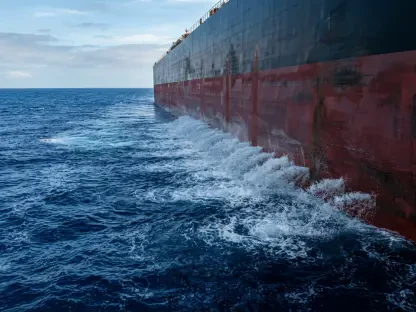
In a more unconventional move, engineers utilized massive freight barges as temporary dams to redirect the current toward the intake valves. These vessels were positioned at strategic angles and intentionally flooded to sink them onto the riverbed, creating an immediate physical barrier that diverted the flow of the Danube. This creative use of existing maritime assets provided a rapid solution that traditional construction methods could not match in speed or efficacy. By submerging these barges, the engineering team managed to raise the local water level by approximately fifteen centimeters, a margin that proved critical for maintaining the necessary pressure within the cooling circuits. Once the natural river levels showed signs of stabilization, the barges were pumped dry and refloated, allowing them to return to their standard transport duties. This flexible application of industrial technology showcased the ability of the crisis management team to adapt existing tools to meet extraordinary environmental challenges while ensuring the continued operation of the facility.
Strategic Restoration: Lessons for Energy Resilience
The successful resolution of the cooling crisis provided a definitive blueprint for protecting critical infrastructure against future hydrological volatility. Technical teams implemented a permanent monitoring network that integrated satellite data with riverbed sensors to provide real-time updates on water volume and temperature. This infrastructure allowed for a more proactive response, ensuring that similar interventions could be launched before operational thresholds were ever reached. The administration focused on upgrading the secondary cooling circuits to reduce the plant’s total reliance on direct river water intake during peak summer months. These long-term investments prioritized the diversification of cooling methods, including the exploration of hybrid systems that utilized atmospheric cooling towers alongside traditional river-based heat exchange. By reviewing the data gathered during the emergency, experts identified the most effective hydraulic interventions to be standardized for future use, creating a playbook for other river-dependent nuclear facilities facing similar climate risks.
Beyond the immediate technical fixes, the government prioritized the development of a comprehensive national energy policy that factored in the shifting behavior of the Danube. This strategic shift involved allocating significant funding for the modernization of all water-dependent power generation sites, ensuring that Paks was not an isolated case of emergency response. Experts collaborated on a regional level with neighboring countries to establish better water management protocols, which helped in maintaining more consistent flow rates during periods of drought. The lessons learned from the barge-dam operation were codified into military training programs, preparing logistics units for rapid hydraulic deployment in various environmental scenarios. These initiatives moved the country toward a more resilient posture, where energy security was no longer at the mercy of unpredictable seasonal weather patterns. The focus shifted from reactive crisis management to proactive infrastructure hardening, ensuring the national grid remained stable even as the environment became increasingly challenging.