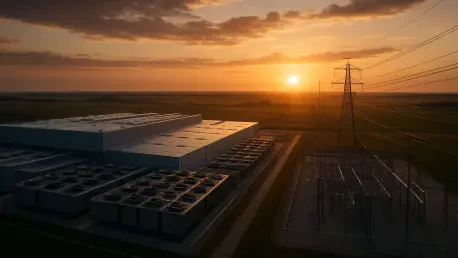

Midwest energy forecasts indicate that data centers could consume one-fifth of the region’s total electricity by 2030, a figure expected to rise even further by 2040. The state of Illinois has rapidly transformed into a premier destination for the digital economy, currently hosting over 240 data centers that form the backbone of modern internet services and corporate operations. This growth was initially fueled by a stable power grid, affordable electricity rates, and attractive state-level financial incentives that drew in massive investments from global technology leaders. However, the industry is shifting from modest operations to massive hyperscale facilities, which are significantly larger and more power-intensive than their predecessors. These giants, driven by the intense computational needs of cloud computing and sophisticated artificial intelligence models, are now placing an unprecedented strain on the state’s physical infrastructure and regulatory frameworks. While the Chicago metropolitan area remains the primary hub for these developments, the expansion is moving into new territories like Bloomington-Normal, highlighting a burgeoning tension between economic development and long-term resource management.
The Rising Demand: Artificial Intelligence Revolution
The primary catalyst for this energy surge is the arrival of generative artificial intelligence, which requires significantly more processing power than traditional data storage or basic web hosting. This technological shift has forced the Midcontinent Independent System Operator, or MISO, to drastically revise its long-term load growth forecasts to account for the skyrocketing appetite of AI training clusters. Unlike standard servers that might experience variable usage patterns, AI workloads often run at high intensity for extended periods, creating a “baseload” demand that remains constant around the clock. Current projections suggest that these data centers could consume up to 20% of the region’s electricity within the next few years, a figure that continues to climb as more companies integrate machine learning into their core business models. The sheer density of power required for these chips means that a single new facility can often require as much electricity as a small city, forcing grid operators to rethink how they distribute and prioritize power flow across the state’s aging electrical transmission lines.
This growth does not happen in a vacuum, as it coincides with the broader electrification of the Illinois economy and the transition away from internal combustion engines. As more residents and businesses transition to electric vehicles and high-efficiency heat pumps, the cumulative demand on the grid is reaching levels not seen in several decades. The combination of high-tech industrial needs and general consumer shifts is creating a complex set of challenges for energy planners who must ensure the lights stay on across the Midwest while managing a rapidly changing generation mix. In regions where heavy industry was once the primary consumer of power, data centers are now moving in to claim that capacity, often at a scale that exceeds the original industrial design of the local grid. This convergence of AI-driven demand and consumer electrification means that every megawatt of capacity is being scrutinized by regulators who are tasked with balancing the needs of Silicon Valley giants against the daily requirements of millions of local Illinois households and small businesses.
Financial Consequences: Impact on Utility Consumers
The rapid expansion of data centers is increasingly reflected in the monthly utility bills of average Illinois residents, raising concerns about the equitable distribution of infrastructure costs. Power prices in the state have climbed nearly 50% over the last two years, a trend that experts link directly to the 43% growth in regional hyperscale facilities that require massive upfront grid enhancements. Because the power grid is a shared regional resource, Illinois taxpayers and residential consumers often find themselves subsidizing the high-voltage transmission lines and specialized substations that benefit large tech corporations. These multi-million-dollar infrastructure projects are necessary to support the concentrated loads of data centers, yet the costs are often socialized across the entire ratepayer base rather than being borne solely by the companies driving the expansion. This has led to a growing public outcry as families see their energy expenses rise even as the state continues to provide tax breaks and incentives to the very companies that are placing the most stress on the electrical system.
Major energy distributors like Ameren Illinois are currently undertaking massive transmission projects and substation builds to maintain grid reliability in the face of these new industrial requirements. To fund these investments, utilities are requesting significant rate hikes from state regulators, arguing that the modern grid must be reinforced to prevent brownouts and equipment failure. This has sparked a fierce debate over fiscal responsibility, with consumer advocacy groups arguing that the tech giants driving this demand should foot the bill for the necessary grid enhancements. The controversy centers on the concept of “cost causation,” which suggests that those who necessitate an upgrade should be the ones to pay for it. However, existing regulatory structures often make it difficult to isolate these costs, leaving the Illinois Commerce Commission with the difficult task of deciding how much of the bill should land on the desks of ordinary citizens who are already struggling with the rising cost of living and general inflation.
Addressing Resource Adequacy: The Looming Crisis
Beyond the rising costs, Illinois faces a looming reliability crisis known as a resource adequacy challenge, where the supply of electricity may not meet the peak demand of a digital-heavy economy. Independent studies warn that the state could experience significant energy shortages within the next decade if it does not bridge the gap between generation and distribution as older plants are retired. Such shortages would threaten not only the operational viability of new data centers but also the basic stability of electricity for residential neighborhoods, potentially leading to rolling blackouts during extreme weather events. The challenge is compounded by the fact that data centers require 24/7 reliability, meaning they cannot easily “power down” during times of grid stress without risking massive data loss or service interruptions. This creates a situation where the grid must be over-engineered to handle the absolute peak of both data center usage and consumer demand, which is an incredibly expensive and time-consuming endeavor.
The Illinois Power Agency is struggling to navigate these challenges amidst a sea of inquiries from developers looking to break ground on new projects. For example, some energy cooperatives in more rural parts of the state have received dozens of requests for new data center connections but have only approved a fraction of them to protect local interests. This cautious approach stems from a refusal to compromise the grid or shift expansion costs onto existing members, highlighting a systemic bottleneck in how the state handles new industrial growth. Developers are often frustrated by these delays, noting that the speed of technological innovation moves much faster than the pace of utility-scale construction. However, grid operators maintain that moving too quickly could lead to catastrophic failures, as the current transmission network was never intended to support the hyper-concentrated energy clusters that modern hyperscale facilities represent. The result is a stalled pipeline of projects that waits for a more comprehensive solution to the state’s energy deficit.
The Conflict: Tech Growth and Climate Mandates
Illinois is currently bound by the Climate and Equitable Jobs Act, which mandates a total phase-out of coal and natural gas by 2045 to combat the ongoing climate crisis. However, the massive energy appetite of new data centers is making these sustainability targets increasingly difficult to hit as carbon-free capacity struggles to keep pace with demand. To ensure the grid remains functional during peak demand periods, the state has already been forced to extend the life of aging coal plants that were previously scheduled for retirement, a move that contradicts the core tenets of the state’s environmental policy. This conflict illustrates the paradox of the modern digital economy: while companies like Google and Microsoft have ambitious net-zero goals, their physical infrastructure often relies on the most carbon-intensive parts of the regional grid to stay operational. The tension between the desire for rapid technological progress and the commitment to environmental stewardship is becoming a central theme in statehouse debates.
Many energy providers are now leaning more heavily on natural gas as a bridge fuel, despite the long-term goal of total decarbonization by the middle of the century. This creates a stranded asset risk, where new gas turbines built today may become illegal or economically unviable to operate before they are fully paid off by ratepayers. Environmental advocates are concerned that the current trajectory is undermining years of climate progress, especially as data centers continue to rely on heavy-duty diesel generators for backup power in case of a grid failure. These backup systems, while rarely used, contribute to local air pollution and represent a step backward in the transition toward a cleaner energy future. As the state tries to balance these competing priorities, it becomes clear that the rapid expansion of the data center industry is testing the limits of what a clean grid can provide in a short period, forcing uncomfortable compromises that may have long-lasting ecological consequences for the entire region.
Proposed Policy Solutions: The Power Act
In response to these mounting pressures, legislative efforts like the Power Act are gaining significant momentum in the statehouse as lawmakers look for ways to stabilize the grid. A central feature of this proposal is the “Bring Your Own New Clean Capacity and Energy” provision, which aims to shift the burden of energy generation back onto the tech companies themselves. This would require data center operators to not only pay for their own grid upgrades but also ensure their energy consumption is matched by the creation of entirely new renewable energy sources within the state. By forcing these companies to add “additionality” to the grid—meaning they must build new wind or solar farms rather than just buying credits from existing ones—the state hopes to accelerate its clean energy goals while accommodating industrial growth. This approach seeks to turn the data center industry from a liability for the grid into an engine for the green energy transition.
The goal of this legislation is to decouple industrial growth from public cost increases and carbon emissions, creating a more sustainable model for the digital economy. Proponents argue that since hyperscale companies generate astronomical profits from their AI and cloud services, they have the financial means to build their own green infrastructure and energy storage solutions. However, the transition is slowed by significant bureaucratic hurdles, such as a multi-year backlog for green energy projects seeking approval to connect to the regional power grid. Even if a company wants to build a massive solar array to power its facility, it often faces years of waiting for studies and permits before it can begin construction. This delay creates a gap where data centers are built and plugged into the existing grid long before their dedicated clean energy sources are ready, leading to the very strain the Power Act seeks to avoid. Resolving these interconnection delays is seen as a critical step in making the new policy effective.
Diversifying the Portfolio: Future Energy Strategies
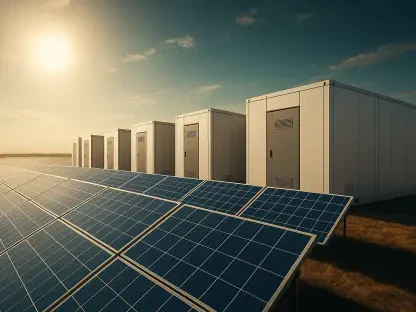
As the 2045 deadline approaches, Illinois is looking toward a more diverse energy mix to solve its capacity issues and ensure long-term reliability for all users. The state recently lifted a long-standing moratorium on new nuclear power construction, which could eventually provide a massive source of carbon-free baseload energy through small modular reactors. While nuclear power offers a promising long-term solution for the energy-intensive data center industry, the decades-long lead time for these projects means they cannot address the immediate demand spike seen today. In the interim, state officials are encouraging the development of large-scale battery storage systems that can help manage the variability of wind and solar power, providing a buffer when the sun isn’t shining or the wind isn’t blowing. This “all-of-the-above” strategy is designed to create a more resilient energy ecosystem that can withstand the demands of the AI revolution without sacrificing the stability of the public utility system.
The state navigated these complex waters by fostering a deeper collaboration between tech leaders, utility providers, and environmental advocates to ensure a balanced approach to growth. Regulators established clearer guidelines for how data centers must contribute to the regional grid, moving toward a model where high-demand users took on a greater share of the financial and environmental responsibilities. This proactive stance helped mitigate the immediate risk of shortages while keeping the state on its path toward total decarbonization. By prioritizing the integration of new clean energy capacity and modernizing the transmission network, Illinois residents avoided the worst-case scenarios of skyrocketing bills and frequent blackouts. The focus shifted toward long-term sustainability, ensuring that the digital infrastructure of the future did not come at the expense of the state’s environmental legacy or the financial well-being of its citizens. This strategy ultimately positioned the region as a leader in responsible technology expansion, setting a precedent for other states facing similar industrial pressures.