
Introduction
The modern electricity grid is undergoing its most radical transformation in decades, facing a volatile combination of aging equipment and unprecedented demand spikes that threaten the very stability of our energy supply. This shift has placed immense pressure on the infrastructure that powers North America, revealing vulnerabilities that were previously masked by surplus capacity. This article examines the factors contributing to this decline, answering critical questions about why traditional power plants are failing and how emerging technologies are changing the way electricity is managed.
Readers can gain an understanding of the mechanical and economic drivers behind current grid instability. The scope includes an analysis of forced outage rates, the impact of large-scale industrial loads like data centers, and the dual nature of battery storage as both a solution and a risk. By exploring these concepts, the following sections provide a roadmap for understanding the technical hurdles that define the current energy era.
Key Questions or Key Topics Section
Why Is the Performance of Traditional Power Plants Declining?
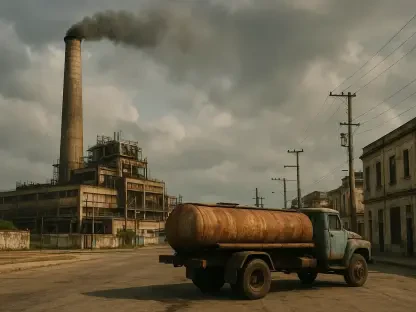
The dependability of conventional power generation, particularly coal and natural gas units, has seen a marked downturn as these facilities struggle to keep pace with modern grid requirements. Data shows that the availability of these units dropped significantly recently, resulting in a staggering 58.9 TWh increase in unavailable energy across the North American grid. This decline has pushed annual forced outage rates to 9.2 percent, a figure that sits well above the historical norm of 8 percent.
Much of this instability stems from the physical toll of cycling, which involves frequently ramping power up and down to balance the intermittent nature of renewable energy sources. Many large coal plants were originally designed to run at a steady state and are now well over 40 years old. This operational strain leads to accelerated mechanical wear and a higher probability of equipment failure, making the existing infrastructure far less resilient than it was in previous decades.
How Do Data Centers and Modern Loads Affect Grid Stability?
The surge in energy demand from large-scale facilities, particularly data centers, is introducing new vulnerabilities that the transmission system was not originally built to handle. The Eastern Interconnection has witnessed significant customer-initiated load reductions following transmission faults, illustrating how concentrated demand can destabilize the grid during technical issues. These massive loads represent a significant departure from traditional residential patterns, requiring more sophisticated management strategies.
As conventional plants retire, the resource mix is moving toward natural gas and inverter-based resources like wind and solar. While these technologies are vital for the energy transition, they introduce technical complexities such as reduced system inertia. This reduction in inertia makes the grid more sensitive to sudden changes, creating volatile power flow conditions that are especially difficult to manage during periods of light demand when traditional stabilizing units are offline.
What Are the Benefits and Risks of Battery Energy Storage Systems?
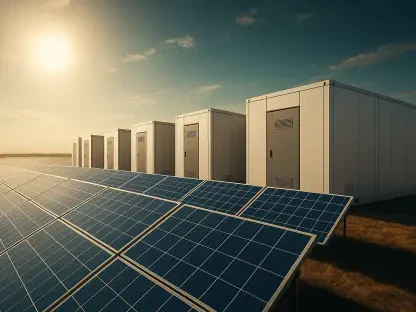
Battery Energy Storage Systems are becoming a cornerstone of the modern grid, growing at a pace that mirrors the expansion of solar power. These systems provide a critical buffer by smoothing the load curve, which helps protect older generators from the physical stress of rapid ramping. By absorbing excess energy and releasing it when needed, batteries maintain frequency and aid in rapid recovery during minor disturbances.
However, this technology brings its own set of unique risks and limitations that planners must carefully consider. A major facility recently experienced a destructive thermal runaway event during routine testing, highlighting a distinct safety concern as these systems scale up. Furthermore, batteries are currently designed for short-term support and cannot yet replace the long-duration backup needed during prolonged extreme weather events, such as major winter storms.
Summary or Recap
The current state of the North American grid reveals a complex interplay between decaying legacy infrastructure and the growing pains of new technology. Traditional coal and gas units face higher failure rates due to age and increased operational stress, while the rapid growth of data centers places unprecedented strain on transmission stability. Battery storage offers a temporary reprieve for frequency management but introduces safety risks and lacks the duration needed for long-term emergencies.
This shrinking pool of deployable reserves highlights the urgent need for more rigorous grid planning and a deeper understanding of how these diverse resources interact. To maintain reliability, the industry must balance the integration of renewable energy with the preservation of firm capacity. Moving forward, the focus remains on enhancing mechanical resilience while developing storage solutions that can survive multi-day weather events without failure.
Conclusion or Final Thoughts
Industry leaders recognized that the path to a reliable future required a fundamental shift in how energy reserves were managed and deployed. It became clear that simply adding new resources was insufficient without addressing the underlying mechanical failures of the aging fleet and the technical volatility of modern loads. This realization prompted a more cautious approach to plant retirements and a greater emphasis on grid-forming technologies.
Moving forward, the focus shifted toward integrated planning that accounted for both the rapid response of batteries and the long-term stability once provided by traditional plants. This transition required proactive infrastructure investment to ensure the lights stayed on during the most challenging conditions. It served as a reminder that grid reliability is not a static achievement but a continuous effort of adaptation.