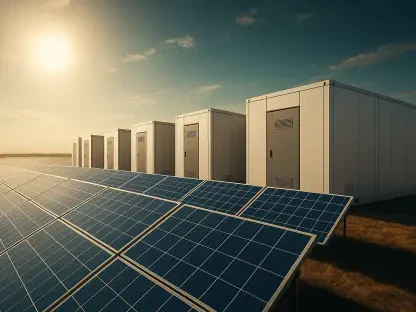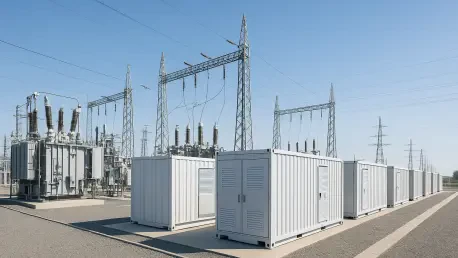

Battery storage has emerged as the primary beneficiary of surplus interconnection because it can discharge electricity during the hours when a co-located generator remains idle or operates at low levels. This strategic advantage comes at a critical time for the PJM Interconnection, which oversees the power grid across thirteen states and the District of Columbia. As the appetite for electricity surges, driven largely by the proliferation of massive data centers and the widespread electrification of industrial processes, the regional transmission organization has faced mounting pressure to overhaul its interconnection protocols. The historical reliance on a linear, often congested waitlist has become increasingly incompatible with the rapid pace of current energy development. Consequently, the push toward surplus interconnection represents a fundamental shift in how grid access is managed, allowing developers to bypass some of the most time-consuming aspects of the traditional queue and tap into infrastructure that is already operational today.
Optimizing Existing Assets: The Utility of Surplus Capacity
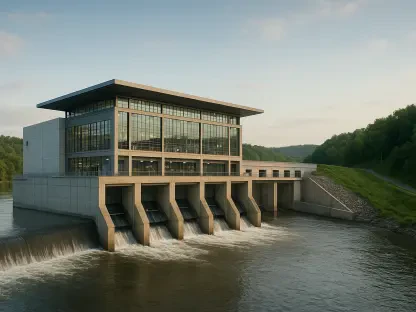
By defining surplus interconnection as the utilization of unallocated capacity at an existing point of interconnection, the organization provides a pathway for new energy resources to integrate without exceeding previously approved safety limits. This approach is rooted in the practical reality that many existing power plants do not utilize their full grid connection twenty-four hours a day. Whether it is a thermal plant that scales back during off-peak hours or a solar farm that goes dark at night, there is often a significant amount of headroom available on the existing lines. Leveraging this idle space allows developers to maximize the efficiency of current assets while significantly shortening the timeline for market entry. Rather than waiting years for new transmission lines to be sited, permitted, and constructed, developers can often deploy new capacity in a matter of months. This speed is essential for meeting the immediate demands of a modern economy that cannot afford grid delays.
Furthermore, these reforms serve as a vital relief valve for the broader generation queue, which has historically been a significant bottleneck for renewable energy expansion. With hundreds of projects representing gigawatts of potential power waiting for exhaustive system impact reviews, routing certain installations through the surplus pathway eases the administrative load on technical staff. This strategic shift prioritizes technological synergies, particularly the pairing of intermittent renewable energy with advanced storage systems that can share the same connection point at alternating times. By creating a dedicated fast track for these configurations, the grid operator is able to manage the volume of new requests more effectively without compromising the thoroughness of its reviews. The result is a more dynamic system where new capacity can be added incrementally, filling in the gaps of the existing generation profile and ensuring that every megawatt of available grid capacity is utilized to its fullest potential.
Regulatory Progress: Balancing Innovation and Technical Rigor
The regulatory landscape governing these projects evolved significantly following key approvals from federal regulators in early 2025. These updates were designed to lower the barrier to entry by expanding eligibility to include planned facilities that have not yet reached full commercial operation. Previously, restrictive system impact determinations often prevented developers from adding new resources to existing sites unless those sites were already fully operational and stable. By removing these hurdles, the new rules paved the way for more integrated energy hubs that can combine various generation types from the outset. Despite these improvements, the adoption of surplus interconnection within the region has faced some initial friction compared to neighboring grid operators. This has sparked ongoing discussions among stakeholders about how to refine the rules further, ensuring that the process remains competitive and transparent while avoiding the speculative filings that have occasionally plagued other regions.
While the emphasis remains on accelerating grid access, technical and financial oversight has remained a top priority to maintain the integrity of the high-voltage system. Developers seeking to use the surplus pathway are still required to fund and undergo rigorous technical evaluations, including thermal impact analysis, voltage stability testing, and short-circuit studies. These engineering checks ensure that the addition of a new resource, such as a large-scale battery, does not inadvertently cause equipment failure or power outages. Beyond the purely technical requirements, there are significant commercial and legal hurdles that must be cleared before a project can proceed. Developers must secure the explicit legal rights to use the existing capacity at a site, which often involves complex negotiations with the original plant owners. These agreements are particularly complicated when the new project is owned by a different entity, necessitating detailed contracts regarding operational priority and financial liability.
Strategic Implementation: Commercial Hurdles and Grid Stability
The inherent flexibility of energy storage technologies makes them uniquely suited for this evolving regulatory framework. Unlike traditional generators that require a constant fuel source, batteries can be programmed to absorb excess energy during periods of low demand and release it when the grid is most strained. This ability to time-shift electricity production is the cornerstone of the surplus interconnection strategy, as it allows for a more consistent and reliable flow of power without requiring any physical expansion of the transmission network. As the region moves toward a more complex energy mix, the role of these hybrid installations will only grow in importance. By optimizing the use of existing substations and high-voltage lines, the grid can support a higher penetration of variable energy resources while maintaining the frequency and voltage standards required for industrial stability. This model provides a blueprint for how older infrastructure can be repurposed to support the needs of a zero-emission future.
Stakeholders determined that the most effective path forward involved the integration of advanced software tools to automate much of the surplus analysis process. They recognized that reducing the time required for thermal and stability studies was essential for keeping pace with the rapid deployment of storage assets. Furthermore, it was established that clear, standardized templates for site-sharing agreements were necessary to minimize legal friction between existing owners and new developers. These actions provided a more predictable environment for investment, ensuring that capital flowed toward projects with the highest potential for immediate grid impact. Looking ahead, grid planners emphasized the need for continuous monitoring of these co-located sites to prevent unforeseen operational conflicts. By prioritizing transparency and technical rigor, the industry successfully transformed a once-congested process into a streamlined engine for growth. The lessons learned during this period of reform offered a viable strategy for other regions facing similar demand surges.