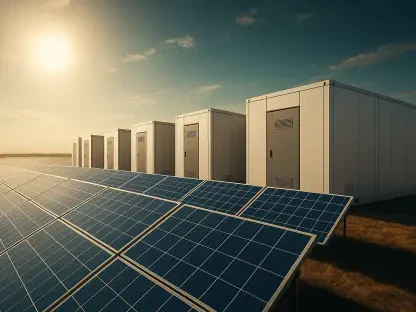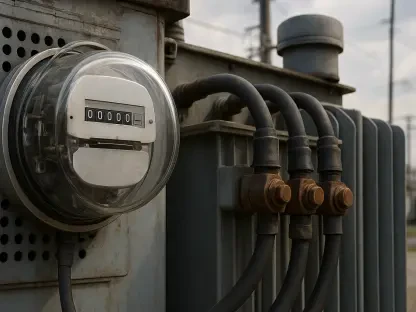

The delicate equilibrium of the North American power grid was pushed to its absolute limits recently when a sudden drop of 1,000 megawatts in computational load triggered a critical Level 3 warning. This event served as a stark reminder that the physical infrastructure of the nation is operating on a timeframe fundamentally different from its financial administration. While high-voltage transformers and automated relays respond to imbalances in milliseconds, the systems responsible for tracking and paying for that energy often operate on cycles that last for weeks. This structural gap poses a direct threat to the reliability of electricity across the continent.
The current situation is not merely a technical glitch but a systemic disconnect between the speed of light and the speed of a spreadsheet. In an environment where demand can fluctuate violently in the blink of an eye, relying on end-of-month reconciliations creates a fog of uncertainty for grid operators. This administrative inertia means that the financial incentives intended to stabilize the grid are often too slow to have any impact during an actual emergency. Without a tighter alignment between these two worlds, the infrastructure that powers modern life remains vulnerable to cascading failures that occur far faster than any human clerk can process.
The Millisecond Reality vs. the Monthly Ledger
The recent Level 3 warning issued by the North American Electric Reliability Corporation (NERC) exposed a dangerous friction point within the national infrastructure. When 1,000 MW of load vanished without notice, the grid’s physical components performed exactly as designed, adjusting frequencies to prevent a total blackout. However, the financial systems governing these transactions remained oblivious to the crisis, highlighting a reality where the ledger is perpetually trailing behind the electrons. This lag creates a scenario where the consequences of operational failures are hidden until it is too late to take corrective action.
Administrative paperwork has historically been the backbone of utility management, but it is no longer suited for the high-velocity demands of the modern era. When a utility or a large-scale consumer fails to meet its obligations during a period of grid stress, the current model delays the “financial sting” for up to 30 days. This separation of cause and effect removes the immediate pressure for compliance, turning critical grid-balancing promises into mere suggestions that are only reconciled long after the crisis has passed.
Navigating the 2.2 Terawatt Interconnection Bottleneck
The U.S. power grid is currently navigating a period of unprecedented expansion, yet it is stifled by a projected 15 GW capacity shortfall and a massive backlog of new projects. With over 2.2 TW of potential energy projects waiting for grid access, the traditional methods of physical expansion are proving to be too slow and capital-intensive. To bypass these multi-year construction delays, many utilities are turning toward “flexibility commitments,” which allow massive new consumers to connect to the grid on the condition that they reduce their intake during peak demand.
These flexibility agreements are essentially a bargain struck between grid operators and large-scale developers, such as those building data centers. However, this strategy currently rests on a foundation of trust rather than verifiable, high-frequency data. Because the grid lacks a mechanism to confirm these load drops in real-time, the promises made during the interconnection process are often difficult to enforce. This lack of visibility makes it challenging for operators to rely on these flexible loads as genuine assets, leading to a crowded queue where potential solutions are treated with skepticism.
The Temporal Mismatch Between Physics and Finance
Grid operators are tasked with the impossible job of maintaining a perfect balance between supply and demand at every single moment. If the balance tips, the frequency of the grid fluctuates, potentially damaging sensitive equipment or causing widespread outages. Despite this physical necessity for precision, the financial verification of power usage remains a laggard process. This mismatch means that the actual performance of a facility during a grid event is often not confirmed until the monthly billing cycle concludes, leaving a massive window of accountability wide open.
This “delayed spreadsheet” model forces grid operators to over-engineer their systems and maintain expensive, inefficient energy buffers. Because they cannot be certain that a facility will follow through on a promise to cut power, they must keep backup generators spinning just in case. These redundant systems drive up the cost of energy for every consumer on the grid. The financial layer of the energy market must evolve to match the physical layer, ensuring that every megawatt promised is a megawatt delivered, exactly when it is needed most.
How AI-Driven Demand Accelerates Grid Instability
The rapid proliferation of Artificial Intelligence has introduced a new level of volatility to power consumption that the grid was never designed to handle. Unlike a traditional factory that maintains a steady draw, an AI training cluster can ramp its consumption up or down by hundreds of megawatts in an instant. These “bursty” patterns create sudden ripples in the power supply that can overwhelm local transformers and destabilize regional networks. Without a high-speed financial mechanism to govern these swings, AI facilities risk becoming significant liabilities rather than the flexible assets they claim to be.
The sheer scale of computational load is transforming the landscape of energy demand, with summer peak forecasts rising by nearly 24 percent over the next decade. When these massive loads fail to drop during a grid emergency, the physical repercussions are felt across the entire system. The current lack of real-time accountability means there is no “real-time hammer” to ensure these facilities comply with their curtailment agreements. Consequently, the unpredictable nature of AI consumption continues to outpace the regulatory frameworks intended to keep it in check.
Expert Perspectives: The Hidden Costs of Unverified Grid Flexibility
Andrii Garanin and other industry experts argue that the current crisis is not a result of a lack of technical capability, but rather a failure of the settlement system. They point out that while data centers have the technology to modulate their load instantly, the market lacks the structural incentive to make them do so reliably. This fragmented approach to monitoring leads to higher risk premiums, as investors and insurers struggle to account for the uncertainty inherent in unverified grid flexibility.
Furthermore, research indicates that the hidden costs of this disconnect are being passed down to the average ratepayer. When grid operators cannot trust flexible loads, they invest in more expensive infrastructure to mitigate that risk, which ultimately inflates energy prices across the board. The consensus among market leaders is shifting toward the idea that flexibility must be treated as a verifiable commodity. Without a standardized way to measure and penalize non-compliance in real-time, the economic burden of grid instability will only continue to grow.
A Roadmap: Standardized Machine-Native Verification
To synchronize the financial layer with the physical grid, the industry recognized that it had to move toward a framework of machine-native verification. This strategy involved integrating direct data from Supervisory Control and Data Acquisition (SCADA) systems and smart meters into tamper-evident, real-time records. By removing the need for manual, self-reported spreadsheets, operators established a system where compliance was tracked and enforced automatically. This shift allowed flexibility to be traded as a legitimate and reliable resource, providing the transparency required to manage a complex, digital-first energy market.
Stakeholders determined that the only way to safeguard the grid was to ensure that financial consequences occurred in lockstep with physical events. The adoption of high-frequency data streams transformed passive power consumers into active participants in grid stability. These measures reduced the need for expensive energy buffers and lowered the risk premiums associated with new infrastructure projects. By aligning the ledger with the millisecond reality of electricity, the sector finally secured a foundation for the massive computational growth of the future. This evolution ensured that the North American power grid remained a robust and reliable engine for economic progress.