
The massive undertaking to reconstruct the Texas power grid faces an unprecedented challenge as state officials and energy advocates debate the necessity of the Dinosaur Switch to Longshore Switch transmission line. This 765-kilovolt project represents a cornerstone of the Strategic Transmission Expansion Plan, better known as STEP Permian, which aims to modernize the way electricity is delivered to the energy-hungry fields of West Texas. While utility companies maintain that such high-capacity infrastructure is essential for maintaining grid reliability, a diverse coalition of lawmakers and fiscal conservatives has begun to question the fundamental logic of the multi-billion-dollar endeavor. The scale of the proposal has sparked a complex dialogue about the balance between industrial progress and the financial burden placed on taxpayers. As the energy landscape shifts toward decentralized solutions, the argument for centralized, long-distance transmission lines is under heavy scrutiny from those who believe the state is on the verge of a costly misstep.
The Strategic Scope and Fiscal Magnitude of the Project
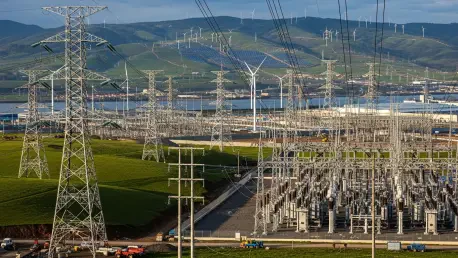
The strategic implications of the Dinosaur to Longshore segment are immense, covering a geographic span of roughly 270 miles across the heart of the Texas landscape. This specific line is intended to function as the primary artery for the broader STEP Permian initiative, an ambitious roadmap that envisions more than 1,200 miles of new high-capacity transmission lines connecting the eastern portions of the state to its western oil patches. However, the sheer fiscal magnitude of the project has become a lightning rod for criticism, with the total lifetime cost of these upgrades estimated to reach a staggering $100 billion. Analysts suggest that such a massive expenditure requires more than just technical justification; it demands a clear demonstration of long-term economic viability that many feel is currently lacking. The financial risks associated with over-building the grid are significant, particularly if the demand forecasts used to justify the project prove to be overly optimistic or outdated by the time the wires are actually energized.
Beyond the astronomical price tag, the technical design of the proposed transmission system has drawn sharp criticism for what some observers describe as inherent inefficiency. Skeptics have frequently compared the plan to the redundant task of hauling water to the sea, suggesting that transporting massive amounts of electricity across vast distances creates unnecessary waste through line losses and operational friction. This perspective is bolstered by the belief that the current proposal may be over-engineered, prioritizing high-capacity, long-distance infrastructure over more localized and cost-effective energy solutions that could achieve similar results with less disruption. The debate highlights a fundamental disagreement over grid philosophy, specifically whether the state should focus on large-scale centralized projects or invest in a more distributed model. As these concerns gain traction, the pressure on the Public Utility Commission of Texas to reconsider the scope of the STEP Permian initiative continues to grow, reflecting a broader movement toward fiscal accountability.
Legislative Demands for a Strategic Reappraisal
State Senator Kevin Sparks and Representative Brad Buckley have formally challenged the current regulatory timeline, urging the Public Utility Commission of Texas to postpone any final decisions until after the 2027 legislative session. Their intervention signals a significant shift in the political climate, as these lawmakers argue that the energy landscape has changed so dramatically since the grid expansion was first proposed that a fresh reappraisal is mandatory. By requesting a pause, the legislators aim to ensure that any final strategy reflects the current technological and economic realities of the state rather than relying on projections from several years ago. This move is seen as an effort to reclaim legislative oversight over a process that many feel has been dominated by utility interests and bureaucratic momentum. The lawmakers emphasize that the primary goal should be protecting the interests of Texas taxpayers and landowners, who will ultimately bear the physical and financial consequences of the project.
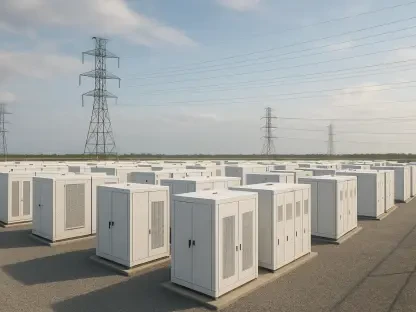
A central component of the legislative argument involves the dramatic surge in natural gas-powered generation that is currently in the state’s development queue. With approximately 71 gigawatts of gas power planned for development statewide and nearly 20 gigawatts specifically targeted for West Texas, opponents of the transmission line argue that local generation offers a superior alternative to long-distance lines. Since the proposed Dinosaur to Longshore line would only provide about 6 gigawatts of transfer capacity, critics point out that incentivizing local power plants could satisfy regional demand more reliably and with less environmental impact. This approach would potentially mitigate the need for invasive and expensive infrastructure while simultaneously bolstering the resilience of the local grid. The contrast between the 6 gigawatts of transmission and the potential 20 gigawatts of local generation has become a powerful talking point for those advocating for a more localized energy strategy that prioritize regional self-sufficiency.
Regulatory Decisions and the Fight for Property Rights
While lawmakers and advocates push for a strategic delay, the regulatory machinery behind the project continues to move forward according to its established schedule. Administrative law judges have already conducted extensive reviews and recommended potential routes for the 765-kilovolt line, leaving the ultimate decision in the hands of the five commissioners who lead the Public Utility Commission of Texas. These commissioners, all of whom are appointed by the governor, now face the difficult task of balancing the aggressive timelines requested by utility companies with the growing demand for legislative oversight. The outcome of this regulatory battle will set a major precedent for how the state manages future industrial growth and whether political accountability can serve as an effective check on large-scale infrastructure development. The tension between the need for rapid grid modernization and the desire for thorough public vetting has placed the commission at the center of a high-stakes controversy that will define the state’s policy.
Adding another layer of complexity to the situation is the fierce defense of private property rights by local landowners who find themselves situated along the proposed transmission routes. Many of these residents feel that utility companies and grid operators have overstepped their legal authority, interpreting regional reliability mandates as a blanket justification for a statewide grid overhaul without explicit legislative consent. The prospect of 270 miles of high-capacity lines crossing private ranchland and family farms has galvanized a grassroots movement that demands independent reviews and greater transparency in the decision-making process. Landowners are increasingly vocal about the perceived corporate overreach, arguing that their property should not be seized or devalued for a project that many believe is fundamentally flawed or unnecessary. This focus on property rights has united a diverse group of stakeholders who are calling for a more respectful and measured approach to energy infrastructure that prioritizes the rights of individual citizens.
Future Trajectory of Energy Infrastructure: The Path Forward
The resolution of the dispute over the Dinosaur to Longshore project eventually required a fundamental shift in how state authorities evaluated energy infrastructure viability and regional necessity. Decision-makers realized that the traditional model of building massive transmission lines was no longer the only viable path to grid reliability, leading to a renewed emphasis on localized power generation and advanced grid management technologies. By prioritizing the integration of the 71 gigawatts of natural gas-powered generation, the state effectively reduced the immediate pressure for long-distance infrastructure while preserving the integrity of private land holdings. This pivot toward a more decentralized and flexible grid architecture provided a blueprint for future developments, ensuring that energy policy remained responsive to both technological innovation and public sentiment. The legacy of this period was a more transparent regulatory process that successfully integrated legislative oversight with technical expertise.
Moving forward, the focus shifted toward developing smaller, modular energy projects that could be deployed rapidly to meet specific regional demands without the need for extensive land acquisition. This strategy encouraged private investment in localized generation, which proved to be more resilient during extreme weather events compared to the vulnerability of long-distance high-voltage lines. Stakeholders began to advocate for a “reliability first” policy that utilized existing right-of-ways and upgraded current substations rather than carving out new paths through pristine landscapes. The successful integration of these diverse energy sources demonstrated that a hybrid approach, combining strategic transmission upgrades with robust local generation, was the most sustainable way to power the state’s industrial growth. This transition not only protected the property rights of citizens but also fostered a more competitive energy market where efficiency and innovation were rewarded over traditional, large-scale utility expansion projects.