
The Data Center Coalition suggests that an audit of the state’s power queue will help distinguish committed, well-funded developers from speculative actors who lack viable construction paths. This directive, issued in August 2026 by Governor Greg Abbott, serves as a necessary intervention to stabilize an increasingly volatile energy landscape. As the Lone Star State cements its position as a global technological powerhouse, the sheer volume of connection requests has reached a critical mass that the existing infrastructure simply cannot support without risking widespread instability. Current data suggests that the queue for new power projects has swelled to approximately 474 gigawatts, a staggering figure that represents more than five times the highest peak demand ever recorded in the state. By delaying the “Batch Zero” review process, regulators are attempting to stop the runaway growth of industrial power consumption before it compromises the basic utility needs of residential neighborhoods and small businesses across the region.
Strengthening Resource Stewardship and Accountability
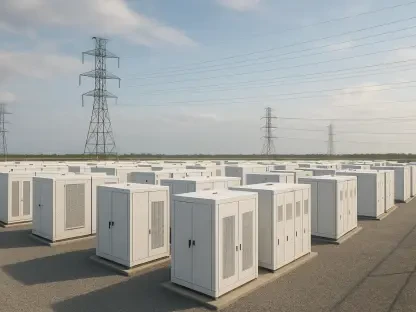
A primary objective of this statewide audit involves a deep dive into how these massive facilities interact with the electrical ecosystem. State officials are no longer willing to rubber-stamp projects that intend to draw exclusively from the public grid without offering any mitigation strategies. Investigators are now scrutinizing whether proposed data centers have integrated on-site power generation solutions, such as dedicated natural gas turbines or battery storage arrays, to offset their massive load requirements during peak times. This shift in policy aims to ensure that technology firms act as responsible partners rather than passive consumers. By evaluating the self-sufficiency of these installations, Texas is essentially creating a tiered system where facilities capable of managing their own energy needs receive priority over those that are entirely grid-dependent. This strategy encourages a more decentralized approach to power production, which is vital for maintaining the grid.
Beyond electrical consumption, the audit extends its reach into the management of municipal water supplies, which are frequently strained by the cooling requirements of high-density computing. Regulators are specifically looking for evidence that developers have committed to advanced cooling technologies, such as closed-loop systems or liquid-to-chip cooling, that minimize the reliance on precious local water resources. Furthermore, the state is tightening its oversight of public financial support, including the generous tax incentives that once lured many of these firms to Texas. Governor Abbott has made it clear that public subsidies will now be contingent upon strict adherence to new verification standards regarding environmental impact and grid contribution. Projects that fail to demonstrate a clear path toward sustainable operations or that are deemed free-riders on public infrastructure will likely see their applications denied. This vetting process ensures only responsible firms thrive.
Navigating Investor Risk and Future Industry Standards
The current moratorium reflects a growing consensus among policymakers and industry leaders that the development queue has become artificially inflated by speculative ventures. These paper projects often secure a spot in the regulatory pipeline without the necessary capital or engineering plans to reach completion, effectively blocking legitimate developers from moving forward. The audit is designed to act as a filtering mechanism, identifying and removing these non-viable entries to clear a path for well-capitalized investors who are ready to break ground. While the pause creates a temporary bottleneck, proponents argue that it is a necessary corrective measure to restore sanity to the market. By purging the queue of speculative actors, the state can provide a more accurate forecast of future energy needs and ensure that infrastructure upgrades are tailored to actual demand rather than theoretical projections. This transparency is expected to stabilize the market, although the immediate effect is caution.
Despite the long-term benefits of a streamlined queue, the suspension of the review process has introduced a period of profound uncertainty for the investment community. Major institutional lenders and venture capital firms are now forced to re-evaluate their portfolios as the timeline for project approval remains undefined. This delay has already begun to trigger various contract termination rights and force the reallocation of billions of dollars in committed capital to other regions with more predictable regulatory environments. For developers caught in the middle of this transition, the financial stakes are enormous, as land acquisition costs and supply chain commitments for specialized hardware continue to mount. Future approvals in Texas will likely be tethered to much more stringent disclosure requirements, necessitating that companies provide granular data regarding their power procurement strategies and environmental mitigation plans long before any construction permits are issued today.
Building Resiliency for the Artificial Intelligence Era
This shift toward a Texas-first strategy represents a fundamental turning point in the management of the state’s technological assets. While the region remains an attractive hub for global computing giants, the new policy landscape emphasizes that energy autonomy is now a prerequisite for any further industrial growth. The state is effectively signaling that its commitment to being a leader in the artificial intelligence era will not come at the expense of its citizens’ basic right to a reliable and affordable electricity supply. By reassessing the actual capacity of the grid and the true viability of the projects in the queue, Texas is attempting to build a foundation that can sustain the immense power demands of next-generation computing without risking catastrophic failures. This proactive stance serves as a model for other jurisdictions facing similar challenges, demonstrating that resource stewardship and economic development must be balanced through rigorous oversight and planning for the long term.
Moving forward, the state established a clear precedent that industrial growth must be matched by an equivalent commitment to infrastructure investment and resource conservation. Leaders recommended that developers immediately begin integrating diverse energy sources and water-saving technologies into their blueprints to align with these stricter state mandates. The audit provided a necessary reset, allowing for the implementation of a more orderly interconnection process that prioritized projects with proven financial backing and technical feasibility. Looking ahead, the focus shifted toward the creation of localized microgrids and the expansion of high-voltage transmission lines to better distribute the load of these massive computing clusters. For the industry, the actionable takeaway became clear: future success in the Texas market depended on a developer’s ability to operate independently of the primary grid during times of stress. By adopting these measures, Texas protected its citizens.