
In the summer of 2026, the Texas power grid faced its most grueling test yet, shattering records and defying expectations as temperatures soared and demand reached unprecedented heights. As extreme weather becomes the new normal and industrial growth accelerates, the Electric Reliability Council of Texas (ERCOT) serves as a critical case study for global energy markets balancing reliability with rapid transition. This analysis explores the data behind the 2026 peak demand, the pivotal role of solar energy in preventing grid failure, expert evaluations of current stability, and the regulatory challenges posed by the looming expansion of data centers.
Tracking the 2026 Surge: Data and Operational Benchmarks
Historical Demand Trends and Peak Statistics
The Energy Information Administration recently confirmed a historic milestone when the ERCOT territory reached a peak demand of 91 GW on July 22, 2026. This record was not an isolated event; rather, it represented the culmination of a six-week period from July to August where weekly average peak loads consistently outpaced the records previously established in 2023. This sustained pressure on the infrastructure highlighted a shifting baseline for energy needs across the state as industrial activity continued to ramp up.
Data for the week ending August 22, 2026, revealed an hourly average load of 74.5 GW, which marked a notable 10% increase over the peak load observed in 2025. This escalation correlated directly with the intense climatic drivers impacting the region, specifically the occurrence of sustained temperatures exceeding 100 degrees Fahrenheit. Such persistent heat created a compounding effect on demand as residential and commercial cooling systems operated at maximum capacity for extended durations.
Operational Success: Solar Integration in Real-Time
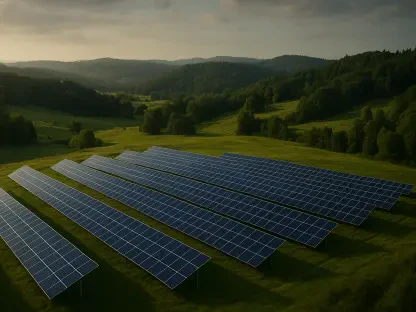
The current energy mix transition proved instrumental during these periods of extreme stress, with solar resources contributing 32% of total generation during the July peak. Natural gas continued to play a primary role, providing 48% of the supply. With Texas now reaching 53.5 GW of installed solar capacity, the ability to maintain system frequency during high-demand intervals has significantly improved, showcasing the practical benefits of recent solar investments.
Moreover, the grid demonstrated a high level of comparative resilience when measured against other regional transmission organizations. While entities like PJM faced energy emergencies during similar thermal events, ERCOT avoided such crises. This stability suggests that the specific configuration of the Texas market, which incentivizes rapid resource deployment, provided a necessary buffer that other regions currently lack in their transition strategies.
Industry Perspectives on Grid Performance and Stability
Energy analysts and grid operators reached a consensus regarding the value of renewable buffers during the most recent thermal events. The aggressive deployment of solar energy was widely credited with preventing systemic blackouts that might have otherwise occurred during the 90 GW demand spikes. This performance validated the state’s strategy of integrating large-scale renewables alongside traditional thermal generation to meet the needs of a growing population.
However, industry experts also point toward a reliability gap that necessitates careful management. While the grid handled the immediate summer crisis, the delicate balance between high-consumption industrial users and the physical limitations of transmission infrastructure remains a concern. Managing these massive loads without resorting to rolling outages required precision in real-time operations and a deep reliance on the consistent availability of solar and battery resources.
Future Projections: Scalability, Data Centers, and Regulatory Shifts
Long-term forecasts suggest that demand will continue to climb, with ERCOT projecting potential peak loads of 154 GW by 2035. Even more conservative estimates from the private sector suggest a trajectory reaching 120 GW by 2030. This growth is largely driven by the electrification of the economy and the rapid influx of energy-intensive industries, creating a race between demand and infrastructure development.
The sudden surge in data center interconnection proposals prompted a significant regulatory shift. State leadership initiated a moratorium and audit of approximately 300 data center projects to ensure they do not compromise the state’s energy security. This directive by Governor Greg Abbott emphasized a policy shift that prioritized grid reliability over the speed of industrial connection, reflecting a cautious approach to economic expansion.
Summary of the Texas Energy Evolution
The performance of the power grid during the 2026 heat crisis demonstrated how solar energy transformed into a primary pillar of resilience. While the summer provided a successful proof of concept for renewable integration, the systemic pressures from industrial growth and climate extremes required constant adaptation. The Texas model effectively offered a blueprint for modernizing power structures while navigating the complexities of a deregulated market.
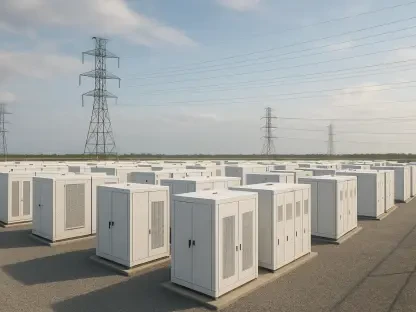
Strategic investments in transmission capacity and storage were identified as essential components to support the projected growth through 2030. Ultimately, the lessons learned from the 2026 milestones emphasized that balancing aggressive industrial expansion with a robust, reliable energy supply was the only viable path for sustainable economic health. The audit-driven approach to infrastructure security reflected a necessary pivot toward long-term stability.