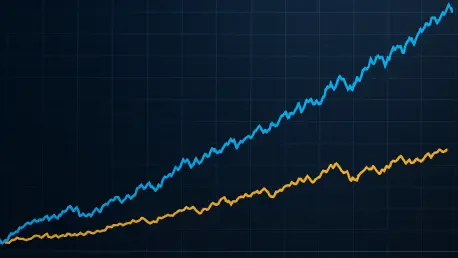

Data center developers are currently prioritizing the acquisition of physical infrastructure components like gas turbines and electrical equipment over the long-term selection of power providers. This strategic shift has created a noticeable rift in the energy market, where the immediate need for hardware has outpaced the development of long-term energy supply agreements. While many market participants expected the Utilities Select Sector SPDR Fund to be the primary winner in the wake of the artificial intelligence boom, the Tema Electrification ETF has significantly outperformed its more traditional counterpart. This divergence stems from the fact that electrification funds invest in the companies that manufacture the essential components of the grid, rather than the utilities that manage the electricity itself. As of mid-2026, this performance gap highlights a crucial distinction between the “picks and shovels” of the electrical system and the regulated entities that provide power. The market is currently rewarding those who provide the physical infrastructure needed for immediate expansion.
Regulatory Constraints and the Hardware Revenue Cycle
The primary reason for the lagging performance of traditional utility funds involves the extensive regulatory hurdles faced by companies such as NextEra Energy and Duke Energy. These organizations operate under a model where state-level utility commissions oversee and approve profit margins, which often prevents them from reacting quickly to sudden surges in demand. While the growth of artificial intelligence has drastically increased the requirements for power, utilities must navigate a years-long approval process for any significant capital expenditure. This delay means that even when demand is high, the ability to turn that demand into measurable profit is hindered by bureaucratic requirements and public policy mandates. Consequently, utility stocks often act as defensive laggards in a high-speed technological race, serving more as income-generating anchors rather than growth-oriented investments. Their inability to adjust pricing or expand infrastructure without government intervention creates a structural ceiling on their potential for rapid earnings acceleration.
In contrast to the regulated utility sector, the companies held within electrification ETFs benefit from a direct and immediate link to infrastructure spending. When a technology giant initiates the construction of a new facility, they must purchase transformers, switchgear, and turbines long before the site ever goes online. Manufacturers like Eaton and Quanta Services are seeing their order books expand as a result of this massive hardware requirement, allowing them to reprice their products and services in real time. Unlike utilities, these equipment vendors are not subject to the same level of pricing oversight from state commissions, which enables them to grow their earnings much faster during periods of high demand. This hardware-centric approach allows investors to capture the capital expenditure of the world’s largest companies directly. The immediate boost to the order books of these manufacturing firms provides a clear revenue catalyst that is simply absent from the traditional power provider model, where profit is realized over decades rather than quarters.
Strategic Investment Profiles and Portfolio Implementation
Comparing the financial structures of these two investment vehicles revealed significant differences in both cost and risk profile. The Utilities Select Sector SPDR Fund functioned as a low-cost giant, offering an expense ratio of approximately 0.08 percent, which made it an ideal choice for capital preservation and reliable income. In contrast, the Tema Electrification ETF operated with a specialized management fee of 0.75 percent, reflecting the active oversight required to identify leaders in the manufacturing and equipment space. Furthermore, the volatility of electrification stocks closely mirrored the performance of high-growth technology sectors, exhibiting sharp price swings that were far more extreme than those found in the stable utility market. While the utility sector provided a consistent dividend yield, the companies within the electrification fund tended to reinvest their earnings into production and research. This resulted in a growth-heavy profile that lacked the defensive buffer typically associated with energy-related investments.
The observation of these market trends demonstrated that the most effective approach involved a strategic pivot toward infrastructure hardware rather than a total abandonment of the utility sector. Financial advisors typically suggested a “thematic slice” strategy, which allowed for the preservation of defensive assets while capturing the rapid growth of the electrification cycle. Selling off long-held positions in traditional utility funds often created unintended tax liabilities, which made a targeted allocation to more volatile ETFs a more efficient choice for managing wealth. This period revealed that the hardware manufacturers served as the primary gateway to AI-driven earnings, while the regulated power providers remained as the essential but slower-moving foundation of the grid. Investors who prioritized these insights positioned themselves to benefit from the immediate demand for physical grid components. Moving forward, the focus remained on identifying specific hardware bottlenecks and maintaining a balanced exposure to both the equipment and the service providers.