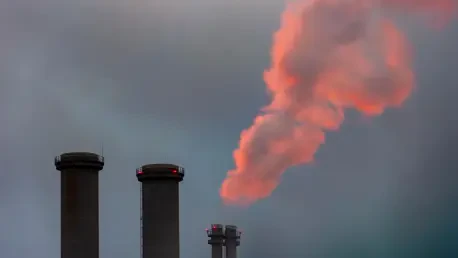

Environmental experts suggest that removing emission controls will lead to higher concentrations of particulate matter linked to asthma and heart disease. The recent announcement by Environmental Protection Agency Administrator Lee Zeldin at the G20 energy summit in Houston has ignited a fierce debate regarding the reversal of federal regulations originally established to curb greenhouse gas emissions from power plants. This policy pivot dismantles frameworks created in 2024, signaling a return to fossil fuel reliance that prioritizes industrial output over strict environmental safeguards. The administration contends that these rollbacks are essential for maintaining the nation’s competitive edge, yet the timing coincides with a period where carbon emissions from the power sector remain the second-largest contributor to the national total. As the regulatory landscape shifts, the focus remains on how these changes will fundamentally alter air quality in industrial corridors.
Balancing Energy Abundance With Industrial Demand
Proponents of the new EPA directive argue that the primary objective is to achieve “energy abundance” while ensuring economic affordability for the average American household. By removing the stringent limits on carbon output, officials expect a significant reduction in electricity prices, which they claim have been artificially inflated by compliance costs. The current administration emphasizes that fossil fuels, particularly coal and natural gas, remain indispensable for maintaining the overall reliability of the national power grid. This push for traditional energy sources is framed as a response to the massive surge in electricity demand caused by the expansion of data centers and the pervasive integration of artificial intelligence technologies into daily infrastructure. Industry groups, including the Pennsylvania Coal Alliance, have voiced strong support, suggesting that the existing coal fleet must be preserved to prevent premature plant retirements and ensure peak demand needs are met.
The strategy effectively creates a buffer against potential blackouts by incentivizing older facilities to remain operational rather than transitioning to more volatile renewable sources. While this approach provides a sense of security for grid operators, it raises questions about the long-term sustainability of the American energy portfolio in a global market that is increasingly moving toward decarbonization. Economists observing the shift note that while short-term costs might decrease, the lack of investment in modern, cleaner technologies could leave the domestic sector lagging behind international competitors who are perfecting green infrastructure. The decision to prioritize natural gas and coal reflects a belief that traditional fuel reliability is the only way to support the high-energy requirements of the digital economy. Consequently, the trade-off involves accepting higher local emissions in exchange for the promise of a more robust and responsive electrical network.
Quantifying the Health Costs and Legal Responses
Critics of the EPA’s recent move, including major advocacy groups like the Union of Concerned Scientists and the Sierra Club, argue that the long-term consequences far outweigh any immediate economic gains. A significant point of contention lies in the stark disparity between different economic forecasting models regarding the true cost of these rollbacks. While the EPA estimates that the repeal will save approximately $310 billion in regulatory and compliance expenses for utility companies, these figures often omit the massive surge in public health expenditures that typically follow increased pollution. Previous comprehensive assessments indicated that maintaining strict emission controls would have generated roughly $370 billion in savings by drastically reducing the incidence of pollution-related illnesses. By focusing solely on the balance sheets of energy producers, the administration may be overlooking a burgeoning crisis in healthcare costs that will eventually be borne by taxpayers.
The shift in federal policy established a new precedent that necessitated immediate action from state-level regulators and environmental organizations seeking to protect local air quality. Legal experts observed that the repeal of these standards faced rigorous challenges in the courts, as many argued the EPA failed to meet its fundamental obligations under the Clean Air Act. In response, several states began implementing their own independent emission caps to mitigate the anticipated increase in particulate matter. This decentralized approach offered a potential solution for regions prioritizing public health, though it created a patchwork of regulations that complicated operations for multi-state utility companies. Looking forward, the emphasis moved toward developing localized monitoring systems that allowed communities to track air quality in real-time. By leveraging high-resolution sensor networks, local governments provided actionable data to citizens, helping them manage risks.