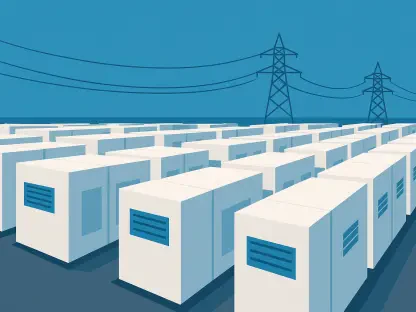

The intersection of utility ambitions and property rights has reached a flashpoint as Oncor struggles to defend its notification process for a 1,200-mile grid expansion. At the heart of this storm is the Dinosaur-to-Longshore transmission project, a massive 765-kilovolt endeavor designed to bolster the state’s energy infrastructure. However, the path to implementation has been blocked by a significant procedural failure involving the omission of public notice for over 1,600 property owners. Administrative law judges have identified a critical gap in how Oncor handled route modifications, leading to a scenario where many citizens were left in the dark about how this multi-billion-dollar project would slice through their land. This oversight is not merely a clerical error; it represents a fundamental breakdown in the transparency required for such high-impact utility work. As the Public Utility Commission of Texas weighs its options, the company faces the very real possibility that its entire application could be denied, potentially resetting years of planning and engineering effort.
Regulatory Standards and Judicial Precedents
Compliance: Upholding the Texas Administrative Code
The legal foundation of this dispute rests upon the rigid requirements of the Texas Administrative Code, specifically Section 22.52, which dictates how utilities must interact with the public. Administrative law judges Pratibha Shenoy and Brent McCabe have been clear in their assessment that Oncor failed to meet these mandatory benchmarks. When the utility expanded the scope of the Dinosaur-to-Longshore project to include 1,650 additional property owners, it did so without providing the preliminary public meetings that the law requires. These meetings are not merely informational sessions; they serve as a vital mechanism for citizens to identify routing constraints before a project’s trajectory is set in stone. By delaying notification until after the formal application was filed, the utility effectively bypassed the window in which landowners could provide meaningful input. This procedural deviation creates a dangerous precedent where infrastructure plans could be fast-tracked at the expense of those most directly impacted by them.
Judicial Oversight: Shifting Standards and Legal Warnings
The scrutiny currently facing Oncor is reflective of a wider trend toward judicial rigor in Texas utility law, as evidenced by recent decisions from the state’s highest courts. A pivotal reference point is the case of Public Utility Commission of Texas v. City of Denton, which has redefined the expectations for regulatory bodies and the companies they oversee. This case signaled a clear departure from previous eras of administrative leniency, reminding all parties that state agencies must strictly adhere to their own procedural requirements to maintain legal standing. In the past, minor notification errors might have been brushed aside in the interest of rapid infrastructure development, but the current climate favors a much more literal interpretation of the law. This shift means that the Dinosaur-to-Longshore project is being evaluated under a microscope, where every procedural misstep is viewed as a potential violation of due process. The message from the judiciary is clear: the importance of the project does not exempt it from the rules.
Stakeholder Conflicts and Economic Implications
Conflicting Interests: Landowner Advocacy vs. Utility Efficiency
The conflict between individual property rights and corporate expansion has created a stark divide in the legal proceedings surrounding this grid project. Attorneys representing the American Stewards of Liberty have taken a hardline stance, arguing that a simple extension of the deadline is an entirely insufficient remedy for the notice failure. Their perspective is that once a route has been finalized and filed in an official application, the opportunity for landowners to exert genuine influence has effectively vanished. From this viewpoint, the pre-filing meetings are the only stage where the public can help steer the project away from sensitive areas, family farms, or valuable residential land. By the time the application reaches the commission, the utility has already committed millions to engineering a specific path, making meaningful changes far less likely. Consequently, advocacy groups are calling for a total denial of the application to send a clear message that the public’s right to participate is non-negotiable.
Financial Impacts: The Scope of Strategic Grid Expansion
To understand the stakes of this legal battle, one must look at the immense scale of the Dinosaur-to-Longshore project within the context of Texas’s energy needs. This transmission line is a cornerstone of a massive 1,200-mile infrastructure initiative aimed at providing reliable electricity to the energy-hungry Permian Basin. As the region continues to expand its oil and gas operations, the demand for high-voltage power has skyrocketed, necessitating a new generation of 765-kilovolt lines that can carry massive amounts of energy over long distances. Beyond the physical footprint, the financial implications are staggering, with total lifetime costs for the initiative estimated to reach $100 billion. This investment will ultimately fall on Texas ratepayers through increased delivery charges on their monthly bills. This reality has shifted the conversation from a localized property dispute to a broader debate about economic fairness and whether the current plan represents an overreach by utility providers who are insulated from the risks.
Political Resistance: Future Accountability and Grid Guardrails
The legal troubles surrounding the Dinosaur-to-Longshore project have not escaped the attention of Texas’s top political leaders, who are increasingly vocal about their concerns. Lieutenant Governor Dan Patrick and Governor Greg Abbott have expressed growing skepticism regarding the rapid buildout of high-voltage transmission lines across the state. While they support a robust energy sector, they have also emphasized the need to protect property rights and manage the escalating costs that these projects impose on citizens. Legislative leaders have begun calling for the implementation of strict “guardrails” to ensure that grid expansion is conducted in a way that is both fiscally responsible and respectful of local communities. This climate of political resistance adds another layer of complexity to Oncor’s current situation, as the Public Utility Commission is likely to feel pressure to take a firm stand on the issue. The decision will determine whether the era of unchecked utility expansion is coming to an end in favor of stricter regulatory accountability.
Looking Ahead: The Evolution of Grid Transparency
The resolution of this dispute demonstrated that technical necessity could no longer serve as a blanket excuse for bypassing the legal rights of property owners. Moving forward, utility companies were forced to integrate comprehensive public engagement strategies into the earliest stages of their engineering workflows. To avoid the costly delays seen in this case, industry leaders adopted more sophisticated geospatial mapping tools to identify and notify every potentially affected landowner long before any formal application reached the state level. Regulators also implemented a more rigorous pre-clearance phase that required independent verification of public notice compliance before a project could even be considered for approval. These steps ensured that future grid expansions remained aligned with the Texas Administrative Code while maintaining the pace needed to support the state’s growing energy demands. Ultimately, the industry learned that the most efficient route to project completion was the one that prioritized transparency and respected the voice of the community.