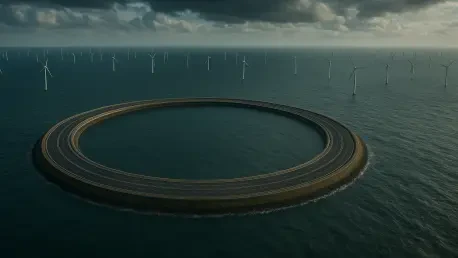

Engineers are filling the interior of the Belgian island with two million cubic meters of sand, which is then stabilized using a process known as vibroflotation. This colossal undertaking marks a pivotal moment in maritime engineering as the world transitions from simple offshore wind turbines to complex, centralized energy hubs. Located approximately 30 miles off the Belgian coast, the Princess Elisabeth Island represents a bold architectural response to the limitations of traditional renewable infrastructure. By moving beyond the shoreline, European nations are tapping into the high-velocity, consistent winds of the deep sea that were previously inaccessible due to technical transmission losses. These man-made landmasses function as offshore sockets, gathering electricity from surrounding wind farms and converting it into high-voltage direct current for efficient long-distance travel. This approach essentially creates a heartbeat for the North Sea’s green energy grid, ensuring that power remains stable regardless of the distance from the coast.
Leading the Way: The Princess Elisabeth Project
The Princess Elisabeth Island stands as the flagship of this movement, representing a $4.2 billion investment designed to revolutionize Belgium’s energy independence. Spanning roughly 15 acres, this artificial island is not merely a platform but a high-tech nerve center capable of doubling the nation’s existing offshore capacity. By integrating an additional 3.5 gigawatts into the national grid, the project addresses the urgent need for a diversified energy portfolio that can support a modern, electrified economy. The logistical scale is immense, requiring the installation of massive concrete caissons that form the structural perimeter against the harsh North Sea environment. These caissons act as a protective barrier, allowing the interior components to be installed in a controlled manner despite the unpredictable maritime conditions. As construction continues into the current decade, the focus has shifted toward the heavy converters that will inhabit the island center, transforming it from a pile of sand into a sophisticated industrial facility.
While the physical foundation is nearing completion, the technical integration scheduled for 2027 and 2028 will mark the final evolution of the Princess Elisabeth project. During this upcoming phase, engineers will lay thousands of miles of 220-kV high-voltage cables to connect the offshore hub directly to the mainland. This phase is critical because it ensures that the power generated far at sea can reach residential and industrial centers without significant voltage drops. The synchronization of multiple wind farms through a single island hub reduces the footprint of subsea cabling, minimizing both the cost and the environmental disruption of the seabed. This centralized model allows for more efficient maintenance and monitoring, as technicians can be stationed on the island rather than relying solely on ship-based operations. By consolidating these resources, Belgium is setting a standard for how smaller nations can maximize their limited maritime space to achieve ambitious climate targets and secure a resilient energy future.
Expanding Connectivity: Ecological Design and Grid Integration
Innovation on these islands extends beyond electricity, as designers have embraced a nature-inclusive philosophy to mitigate the ecological impact of large-scale infrastructure. The concrete caissons of the Princess Elisabeth Island are not smooth walls but are instead designed with specific ledges and cavities to encourage bird nesting and marine life colonization. These bio-enhancing features turn a sterile industrial site into a vertical reef that supports local biodiversity. Below the water’s surface, relief panels provide essential shelter for various species of fish and crustaceans, fostering a localized ecosystem that mimics natural rocky outcrops. This approach recognizes that the North Sea is a shared resource where industrial progress must coexist with environmental preservation. By treating the island’s base as a habitat rather than just a foundation, engineers are proving that renewable energy infrastructure can actively contribute to marine conservation rather than merely avoiding damage to it.
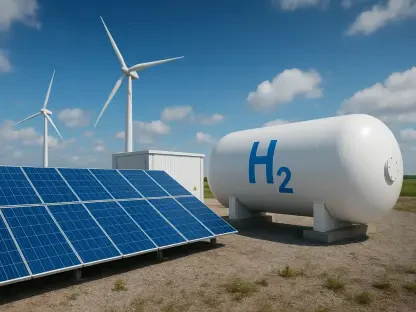
The successful deployment of these offshore hubs signaled a fundamental transformation in how global powers approached the energy transition. Denmark followed Belgium’s lead by advancing the Bornholm project, an $8 billion initiative that connected international power grids across the Baltic Sea. This project underscored the strategic importance of energy sovereignty and the collective movement toward a carbon-neutral continent. By linking diverse power markets, these islands helped balance the intermittent nature of wind energy, allowing surplus power to be redirected where it was most needed. Moving forward, stakeholders must focus on integrating hydrogen production facilities directly onto these islands to facilitate long-term energy storage. Investors and governments should prioritize a skilled workforce and standardized regulations to streamline future construction. This blueprint for a resilient, decentralized grid ensured that the challenges of the open sea were met with cooperation and engineering excellence.