
The traditional image of the American dairy farm is currently undergoing a radical transformation as manure management evolves from a messy regulatory burden into a sophisticated cornerstone of the renewable energy market. Across the rural landscape, vast concrete lagoons are being replaced or capped by high-tech anaerobic digesters that capture methane before it ever reaches the atmosphere, turning a potent greenhouse gas into a revenue stream. This shift represents more than just a localized environmental fix; it marks the official maturation of agricultural biogas into a recognized asset class capable of attracting billions in institutional capital. As the demand for low-carbon fuels intensifies, the infrastructure surrounding these farms has become as critical as the livestock themselves. By integrating into existing natural gas grids, these projects provide a bridge between traditional agricultural practices and the modern requirements of a decarbonizing economy, proving that sustainability and profitability are no longer mutually exclusive goals for the modern industrial producer.
The Economic Logic of Carbon Markets
Monetizing the Environmental Footprint
The financial viability of modern agricultural biogas projects is fundamentally underpinned by a complex layer of environmental credits rather than the simple sale of methane molecules as a heating fuel. In the current regulatory environment, dairy-derived Renewable Natural Gas often achieves a significantly negative carbon intensity score because it prevents the direct release of methane into the troposphere. This negative rating allows producers to generate lucrative credits under California’s Low Carbon Fuel Standard and federal programs like the Renewable Fuel Standard. These credits act as a multiplier on the commodity price, often making the environmental attributes of the gas worth far more than the energy itself. Consequently, the revenue model for these facilities has shifted toward a credit-centric approach, where the ability to document and verify carbon avoidance is the primary driver of the project’s internal rate of return, attracting a new wave of data-driven investors.
Securing Stability through Credit Structures
This unique credit-based revenue structure provides a crucial buffer that effectively decouples agricultural biogas from the inherent volatility typically associated with global fossil fuel markets. While traditional natural gas prices may fluctuate based on geopolitical tensions or seasonal demand spikes, the value of carbon credits remains tied to long-term decarbonization mandates and corporate sustainability goals. This stability is exactly what institutional investors require when committing to the high upfront capital expenditures needed for large-scale anaerobic digestion infrastructure. By securing long-term contracts that prioritize the carbon-negative nature of the fuel, developers can project consistent cash flows over twenty-year horizons, similar to utility-scale solar or wind installations. This financial predictability has transformed what was once a niche agricultural experiment into a bankable asset that fits perfectly within the portfolios of infrastructure funds seeking stable, inflation-indexed returns.
Institutional Capital and Market Consolidation
The Impact of Global Energy Partnerships
The entrance of global energy giants and massive asset management firms has accelerated the industrialization of the biogas sector, moving it away from fragmented, farm-level operations. Major players like Shell, bp, and BlackRock have established dedicated platforms to acquire and develop these assets, recognizing that agricultural waste is one of the few scalable sources for carbon-negative fuel. These institutional participants bring not only the necessary capital but also the technical rigor and safety standards required to operate complex chemical processing facilities at scale. Joint ventures between energy companies and large-scale dairy cooperatives have become the standard model for expansion, combining localized agricultural expertise with global distribution networks. This consolidation allows for better economies of scale in procurement and technology implementation, which further lowers the overall risk profile of the entire industry. As these partnerships mature, they create a standardized playbook for project development across diverse geographies.
De-Risking through Utility Offtake Agreements
Risk mitigation within the sector has also been significantly enhanced by the increasing involvement of regulated gas utilities that are eager to green their existing pipeline infrastructure. These utilities are often seeking long-term offtake agreements to meet their own carbon reduction targets, providing a guaranteed buyer for every cubic foot of gas produced by the digesters. When a utility with a stable customer base and a credit-worthy balance sheet signs a twenty-year purchase agreement, it fundamentally changes the credit profile of the underlying biogas project. This level of commercial certainty allows developers to access much cheaper debt financing, which in turn improves the overall economics of the facility and speeds up the deployment of new sites. The transition from merchant-risk projects to utility-backed infrastructure is perhaps the clearest indicator that agricultural biogas has reached its maturity phase. It is no longer a speculative venture but a vital component of the broader energy grid that powers cities and industries alike.
Engineering Solutions for the Agricultural Frontier
Scaling Technology for Broad Adoption
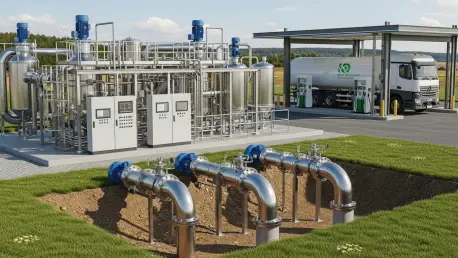
The current push for efficiency in the biogas sector is heavily focused on overcoming the high fixed costs associated with gas purification and pipeline interconnection. For a project to be economically feasible at the moment, it typically requires a massive volume of feedstock, which has led to a concentration of development on the largest dairy operations. These mega-digesters utilize advanced membrane separation technologies to strip carbon dioxide and hydrogen sulfide from raw biogas, resulting in a product that is nearly pure methane. However, the capital-intensive nature of this equipment means that many small to mid-sized farms have historically been excluded from participating in the renewable energy market. To address this, engineers are currently refining clustering strategies where multiple smaller farms are connected via low-pressure gathering lines to a single, centralized upgrading facility. This hub-and-spoke model allows the industry to tap into smaller pools of organic waste while still benefiting from the economies of scale.
Innovations in Modular and Portable Systems
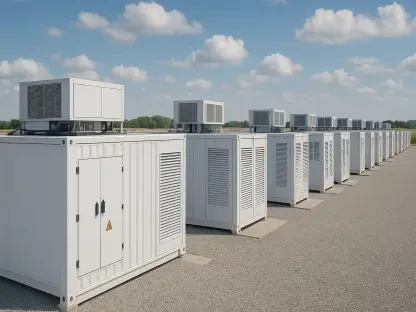
Looking beyond centralized hubs, the next phase of technological evolution involves the deployment of modular, skid-mounted reactors that can be easily transported and installed on-site. These prefabricated units are designed to lower the barrier to entry for diverse agricultural operations by reducing the amount of custom engineering required for each individual farm. Furthermore, some innovative developers are experimenting with converting raw biogas directly into liquid fuels, such as Sustainable Aviation Fuel or renewable methanol, right at the source. By producing a liquid product that can be trucked away rather than requiring a pipeline connection, these facilities can operate in remote rural areas that were previously considered unreachable. This flexibility in output and scale is essential for the long-term growth of the industry, as it allows for the utilization of a much wider variety of feedstocks beyond just dairy manure. As the technology continues to miniaturize and become more efficient, the potential for decentralized energy production becomes nearly limitless.
Strategic Growth and Portfolio Diversification
Maximizing Value from Agricultural Byproducts
Modern biogas facilities are rapidly evolving into sophisticated agricultural refineries that extract maximum value from every ton of organic waste they process. Instead of focusing solely on the methane content, these operations are now implementing secondary recovery systems to capture high-value byproducts like food-grade carbon dioxide and concentrated ammonia. The recovered solids from the digestion process are being processed into nutrient-rich bio-fertilizers that can be sold back to the agricultural market or used to replace synthetic, petroleum-based alternatives. This multi-product approach creates several distinct revenue streams, which further insulates the facility from the potential fluctuations in any single commodity or credit market. By transforming a waste stream into a portfolio of sustainable products, these refineries are demonstrating the true potential of the circular economy in a way that benefits both the environment and the bottom line. This level of diversification makes the projects even more attractive to cautious investors.
Navigation of Regulatory and Policy Shifts
The development of the agricultural biogas sector through the mid-twenties established a clear path for the total integration of waste management and renewable energy production. Successful operators realized that the key to long-term viability resided in the meticulous management of regulatory risks and the continuous pursuit of technological modularity. By diversifying revenue streams and securing institutional partnerships, the industry successfully navigated the complexities of shifting environmental policies and volatile market dynamics. Moving forward, the most effective strategy for stakeholders involved focusing on the standardization of project designs and the expansion of feedstock varieties to include food waste and crop residues. This proactive approach ensured that biogas facilities remained resilient assets capable of providing consistent returns while meeting the rigorous decarbonization goals of the modern era. The transition toward localized, high-value liquid fuel production proved to be a decisive factor in maintaining the sector’s growth and relevance.