
Declining power prices have recently squeezed biomass earnings, forcing Drax to accelerate its transition into flexible generation assets and renewable technologies. For decades, the massive Selby power station in North Yorkshire served as the heartbeat of the company’s operations, but the energy landscape has shifted profoundly as the United Kingdom pursues more stringent carbon targets. Chief Executive Will Gardiner has described this current phase as a defining moment, where the organization must move beyond its traditional identity to survive a volatile market. This strategic shift is a calculated move to secure long-term cash flows amidst fluctuating commodity costs. While the company still maintains its position as a major biomass generator, the focus has clearly migrated toward building a diverse ecosystem of power sources. This evolution involves significant capital reallocation, aiming to transform a former single-asset utility into a multifaceted energy provider capable of balancing a modern grid.
Transitioning to a Multi-Faceted Energy Portfolio
Expanding Flexible Generation: Strategies for Grid Stability
The introduction of the Hirwaun open-cycle gas turbine facility represents a significant milestone in the group’s pivot toward flexible capacity. This technology is specifically designed to provide rapid-response power to the national grid, acting as a critical buffer during periods when wind and solar generation are insufficient to meet national demand. As the share of intermittent renewables increases across the British energy system, the value of fast-acting gas turbines has grown, providing the group with a lucrative mechanism for grid stabilization. This operational shift demonstrates a move away from the traditional baseload model toward a more dynamic approach that prioritizes reliability and speed. By commissioning these units, management is effectively addressing the technical challenges inherent in a decarbonized power system while securing a revenue stream that remains decoupled from the long-term price fluctuations seen in the wood pellet markets and broader biomass commodity cycles.
High-Capacity Storage: Capitalizing on Market Arbitrage
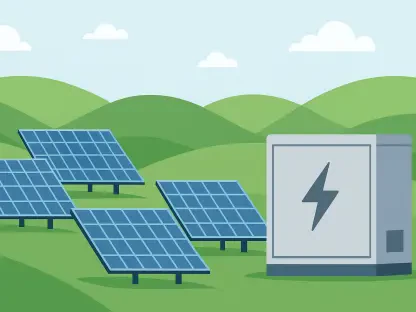
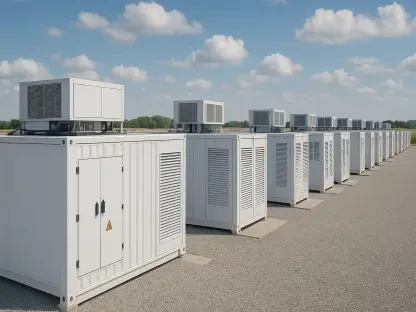
Parallel to the gas turbine expansion, the group is aggressively pursuing a large-scale deployment of battery energy storage systems to enhance its grid-balancing capabilities. These installations are planned to provide several hundred megawatts of capacity, allowing the company to store electricity during periods of low demand and high renewable output. By discharging this energy when prices peak, the firm can capitalize on price arbitrage, creating a flexible and profitable secondary market for its services. This approach not only provides a solution to the intermittency of wind and solar but also reduces the operational strain on traditional thermal units. Furthermore, battery storage serves as a hedge against market volatility, offering a high-margin alternative to conventional generation. As the technology matures from 2026 through the end of the decade, these assets are expected to become a cornerstone of the firm’s financial stability, providing a modern alternative to the aging infrastructure.
Strategic Acquisitions: Diversifying with Solar and Wind
The acquisition of the Bluefield Solar Income Fund has marked a definitive shift in the group’s asset composition, integrating a vast array of operational solar and wind projects. This transaction represents more than just an expansion of the balance sheet; it is a fundamental realignment toward low-risk, contracted revenue streams. By absorbing these established renewable assets, the firm is insulating itself against the risks associated with the eventual phase-out of biomass-related subsidies. The move into solar provides a predictable income profile that complements the higher-volatility flexible generation segment, creating a balanced risk-reward scenario for institutional investors. Moreover, this acquisition provides the company with a significant development pipeline, allowing for organic growth in the renewable sector through 2029. Integrating these technologies allows the firm to offer a more comprehensive energy solution to corporate customers who are increasingly seeking long-term power purchase agreements linked to green energy.
Navigating Operational Hurdles and Policy Shifts
Supply Chain Resilience: Overcoming Pellet Production Gaps
Despite the ambitious long-term vision, the group has recently faced significant operational hurdles that have tested its financial resilience in the short term. The pellet production segment, a critical part of the internal supply chain, saw a noticeable dip in volumes following the closure of a major processing facility in Canada. This disruption forced the company to rely more heavily on third-party suppliers, which in turn increased procurement costs and squeezed profit margins during a period of already softening power prices. These logistics challenges highlight the inherent risks of a global supply chain that remains vulnerable to local economic shifts and environmental regulations abroad. Management has been forced to reevaluate its sourcing strategy, seeking to improve efficiency and reduce the carbon footprint associated with long-distance pellet transport. Navigating these supply-side constraints is essential for maintaining the viability of the biomass division while the company continues to funnel its capital.
Asset Modernization: Refurbishing Pumped Hydro Facilities
Beyond the pellet supply chain, the hydro and pumped storage divisions have encountered their own set of difficulties, with earnings impacted by unplanned outages and essential refurbishment work. The Cruachan station in Scotland, a flagship for the group’s mechanical storage capabilities, has undergone extensive modernization to ensure its reliability for the coming decade. While these refurbishments necessitated temporary downtime, they were deemed necessary to capitalize on the increasing demand for long-duration energy storage. The company is betting heavily that the modernization of such assets will pay off as the UK government introduces new support mechanisms for storage technologies. However, the immediate financial impact of these outages, combined with the rising costs of maintenance, has contributed to a spike in net debt. Investors are closely monitoring how quickly these assets can return to full operational capacity to restore the group’s cash-generating potential to support infrastructure renewal.
Regulatory Risk Management: Beyond Government Subsidies
A central driver behind the current diversification strategy is the persistent regulatory uncertainty surrounding the future of biomass as a carbon-neutral energy source. Environmental groups and some policy analysts have continued to question the sustainability of burning wood pellets on an industrial scale, creating a public relations challenge for the group. This ongoing debate has intensified the pressure on the firm to prove the net-benefit of its operations through advanced carbon capture and storage technologies. By moving into solar, gas, and battery storage, the company is effectively diluting its exposure to any potential adverse shifts in biomass policy. Reducing the reliance on a single technology allows the group to maintain a more stable relationship with government regulators and environmental oversight bodies. This proactive approach to regulatory risk management is designed to protect the firm’s market valuation from the volatility of political sentiment, ensuring that the business model remains viable.
Strategic Outcomes: Establishing a Sustainable Utility Model
Ultimately, the strategic pivot away from a biomass-centric business model established a new blueprint for the group’s long-term survival. The board successfully managed the transition by aggressively reinvesting cash flows into a diversified portfolio that mitigated the impact of declining power prices and regulatory uncertainty. Although the initial phase of this transformation required significant capital expenditure and led to a temporary rise in debt, the move into flexible generation and storage proved to be a decisive factor in stabilizing the balance sheet. Management focused on optimizing the synergy between renewable acquisitions and existing infrastructure, ensuring the company remained relevant in a rapidly decarbonizing market. The successful integration of the Bluefield assets and the commissioning of new gas turbines provided the necessary foundations for a more resilient earnings profile. Moving forward, the firm began focusing on the scaling of carbon capture technologies to maintain its leadership in the net-zero landscape.