
The expansive vistas of the American Heartland are currently undergoing a profound transformation that reaches far beyond the seasonal rotation of corn and soybeans as families face unprecedented economic pressures. This quiet but intense struggle unfolding at the intersection of traditional agriculture and the burgeoning renewable energy sector has forced many multi-generational families to view solar panels and wind turbines not just as environmental tools, but as high-stakes gambles on their own economic survival. The decision to lease land for energy production is rarely about ideology; instead, it centers on the urgent financial needs of independent operators who are navigating a complex backdrop of property rights and shifting community aesthetics. While some critics argue that these projects threaten food security and the character of the countryside, a growing number of landowners now view these leases as the only viable bridge to keep their heritage intact. This debate is often fueled by a mix of personal hardship and a fundamental disagreement over what it means to preserve a farm in a modern economy. By examining the lived experiences of those on the front lines, it becomes possible to understand whether harvesting the sky provides a legitimate path toward keeping families on the soil for decades to come. The stakes are particularly high for those who see their neighbors selling out to residential developers, a move that permanently removes land from agricultural use, unlike energy projects which offer a reversible alternative that can eventually return the acreage to its original purpose once the infrastructure reaches the end of its functional lifespan.
The Economic Reality: Surviving Financial Volatility
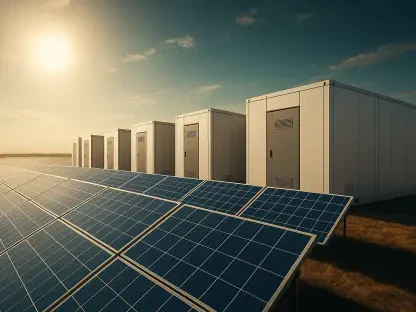
The story of the modern American farm is often defined by extreme financial vulnerability where a single unforeseen crisis can end a century of family tradition in a matter of months. For Northeast Ohio farmer Wayne Greier, that crisis materialized as a massive medical debt following a severe illness that threatened to liquidate the operation his family had maintained for generations. With over $1 million in bills and limited support from standard agricultural insurance, the Greier family faced the very real prospect of losing their land to creditors who cared little for the history of the soil. In such a volatile environment, the arrival of a solar lease offer covering a portion of their acreage was not an abandonment of traditional farming but a strategic maneuver to save the remainder of the business. The guaranteed annual income from a solar project provides a level of liquidity and predictability that traditional crops, which remain subject to the whims of global trade wars and erratic weather patterns, simply cannot match in the current market.
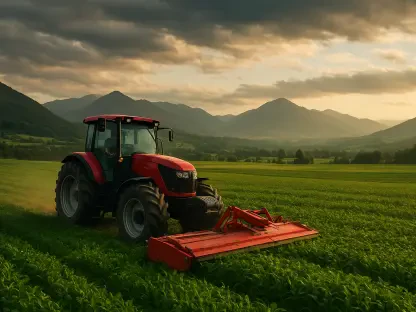
This economic shift allows farmers to treat a segment of their land as a non-correlated asset, essentially creating a financial hedge against the rising costs of seeds, fertilizer, and diesel fuel. For families like the Greiers, the revenue from renewable energy represents a powerful tool to satisfy long-term debt and ensure that the core of the farm stays within the family lineage rather than being sold off in a fire sale. By diversifying their income streams, these landowners are able to reinvest in newer agricultural machinery or expand their livestock operations on the land not occupied by energy panels. This hybrid model of land use acknowledges that the survival of the family farm requires a departure from total reliance on commodity markets, which have become increasingly hostile to small and mid-sized independent producers. Consequently, renewable energy is emerging as the primary mechanism for financial stabilization in regions where traditional agriculture alone is no longer sufficient to provide a living wage for the next generation of farmers.
Wind Energy: A Long-Term Tool for Stability
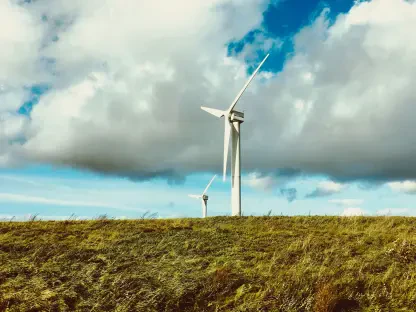
While solar projects are a more recent point of contention in rural planning meetings, wind energy has already established a long-term track record as a stabilizing force for agricultural operations across the Great Plains. In Kansas, rancher Pete Ferrell has successfully utilized wind royalties as a form of drought insurance to protect his cattle operation from the cyclical nature of Midwestern weather. During severe dry spells that typically force ranchers to reduce their herds at a loss or cut essential staff, the steady checks generated by the turbines on his property have allowed him to keep up with mortgage payments and maintain operational continuity. This reliable cash flow provides a buffer that prevents the ranch from falling into the debt spirals that often lead to foreclosure during environmental crises. Unlike traditional crops that require constant input and labor, wind energy produces a consistent yield regardless of rainfall or soil temperature, making it an ideal companion for high-risk ranching environments.
Furthermore, the wind industry has introduced the concept of repowering, where aging turbines are updated with newer and more efficient technology at the end of their initial lease cycles. This process creates an evolving economic portfolio that can be passed down to heirs, providing a perpetual income stream that remains independent of agricultural productivity or livestock prices. By integrating energy production into the long-term management of the ranch, families are better shielded from the volatility of the climate and the broader market, effectively turning the wind into a permanent pillar of the farm’s financial health. This model demonstrates that renewable energy does not have to replace the primary agricultural output of the land; rather, it serves as a silent partner that ensures the rancher can afford to stay in the saddle. As these projects mature, they become a normalized part of the rural economy, proving that technology and tradition can coexist when the goal is the preservation of the family legacy.
Technical Facts: Navigating Public Misconceptions
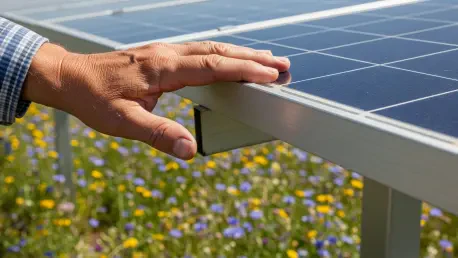
Much of the local resistance to renewable energy projects is rooted in deep-seated fears regarding the potential environmental impact of the hardware on the underlying soil. Common concerns often involve the supposed destruction of topsoil during the installation phase or the imaginary leaching of toxic materials like lead and cadmium from the solar panels into the local groundwater. However, technical data and rigorous environmental assessments consistently suggest that modern solar panels, which are primarily constructed from silicon and tempered glass, pose a minimal risk to the land when handled and installed according to industry standards. Environmental studies have shown that the soil beneath solar arrays actually benefits from a period of rest, as the land is often planted with native grasses or pollinator-friendly vegetation that helps restore nutrients and prevents erosion. This restorative period can act as a long-term fallow cycle, potentially leaving the land in better condition for future agricultural use than it was after decades of intensive chemical-heavy farming.
To further address these concerns, sophisticated lease agreements now include specific protections for the landowner that were unheard of in the early days of energy development. Modern contracts often feature GPS-mapped drainage tile replacement protocols and substantial decommissioning bonds that ensure the developer is financially responsible for removing every piece of equipment at the end of the project. These bonds are typically held in escrow or managed by state authorities, guaranteeing that the cost of returning the land to its original agricultural state does not fall on the farmer or the local taxpayers. These legal instruments ensure that energy production is viewed as a temporary and reversible use of the land rather than a permanent industrialization of the countryside. By providing a clear exit strategy and rigorous environmental safeguards, the renewable energy sector is working to prove that it can be a responsible steward of the land while providing the financial resources necessary to keep that land in the hands of farming families.
Social and Political Dynamics: The Rural Landscape
The transition to renewable energy has unfortunately become a deeply polarized political issue, leading to significant friction and social tension within once-tight-knit rural communities. In states such as Ohio, legislative shifts have moved the power of project approval from state-level professional boards to local county commissioners, a change often framed as a victory for local control. However, this shift can sometimes lead to the arbitrary blocking of a landowner’s property rights based on the aesthetic preferences or political leanings of a small group of neighbors. This legislative environment has been further complicated by organized advocacy groups and the influence of outside funding, which often floods local debates with misinformation designed to stall projects. The result is a fragmented regulatory landscape where a farmer’s ability to utilize their land for energy production depends more on their ZIP code and the current political climate of their county than on the actual merits or safety of the proposed project.
The social cost of these projects is perhaps the most difficult hurdle for multi-generational farming families to clear, as the decision to host energy infrastructure can lead to intense community backlash. Farmers who choose to lease their land often face social ostracization, public harassment at local markets, and a breakdown of long-standing friendships with neighbors who oppose the changing view of the landscape. This creates a painful and ironic paradox where a community, in its vocal effort to save the rural aesthetic, may end up attacking and driving out the very families who have served as the stewards of that land for over a century. The emotional toll of being labeled a traitor to the farming way of life by people who do not understand the farmer’s financial books can be devastating. Navigating this social minefield requires a level of resilience that matches the physical demands of farming itself, as families try to balance their private financial survival with their public role in the community.
Land Stewardship: Protecting the Legacy
Despite the ongoing controversy surrounding the appearance of solar and wind farms, data suggests that urban sprawl remains a far more significant and permanent threat to the future of American farmland. While renewable energy projects occupy a tiny fraction of total agricultural acreage and are specifically designed to be reversible, the conversion of farms into housing developments or shopping centers is a one-way street. Once the topsoil is stripped and the land is paved over with concrete and asphalt, its agricultural potential is lost forever, creating a permanent deficit in the nation’s food-producing capacity. In contrast, energy sites act as a form of land banking, preserving the open space from development while providing the owner with the income needed to resist the high-dollar offers from real estate developers. This perspective shifts the narrative from energy versus farming to a broader strategy of rural preservation through economic diversification.
To better navigate these complex challenges, farmers professionalized their approach to energy through organizations like the Renewable Energy Farmers of America, which provided the tools needed to negotiate from a position of strength. These landowners treated energy as a commodity similar to corn or soy, allowing them to advocate for their property rights while ensuring that their contracts included the highest levels of environmental protection. They recognized that the survival of the American family farm depended on the ability to balance the preservation of a physical legacy with the adoption of new, diversified income streams that protected the land from total liquidation. By the time these projects reached full implementation, the families who participated discovered that the income from the sky was what finally allowed them to keep their feet firmly planted on the soil. They successfully transformed their operations into multi-generational businesses that could withstand the pressures of the modern economy, ensuring that the agricultural heritage of the Heartland remained intact for those who would follow in their footsteps.