
Introduction
The traditional pastoral aesthetic of the Commonwealth has entered a period of significant transition as farmers and energy developers seek common ground beneath the sun. This shift is driven by the formal recognition of agrivoltaics, a practice that integrates solar energy production with active agricultural operations. As Virginia moves toward a more diverse energy portfolio, the intersection of land conservation and renewable infrastructure has become a focal point for policymakers and rural residents alike.
The primary objective of this discussion is to examine how legislative updates and economic initiatives are shaping the future of Virginia’s farmland. By exploring the legal definitions, land-use challenges, and collaborative strategies currently in play, readers will gain a comprehensive understanding of the mechanisms intended to protect the state’s agricultural heritage. This analysis covers the shift from simple solar arrays to integrated systems that prioritize soil health, productivity, and the long-term viability of rural economies.
What Defines the Legal Framework for Agrivoltaics in Virginia?
The state has taken a proactive stance by codifying a specific legal definition for agrivoltaics to ensure that solar installations do not permanently decommission productive land. This legislative clarity is necessary because it differentiates between industrial-scale solar farms and integrated systems that maintain the land’s primary agricultural purpose. Without such a framework, there was a risk that renewable energy expansion would lead to the irreversible loss of soil resources and rural livelihoods.
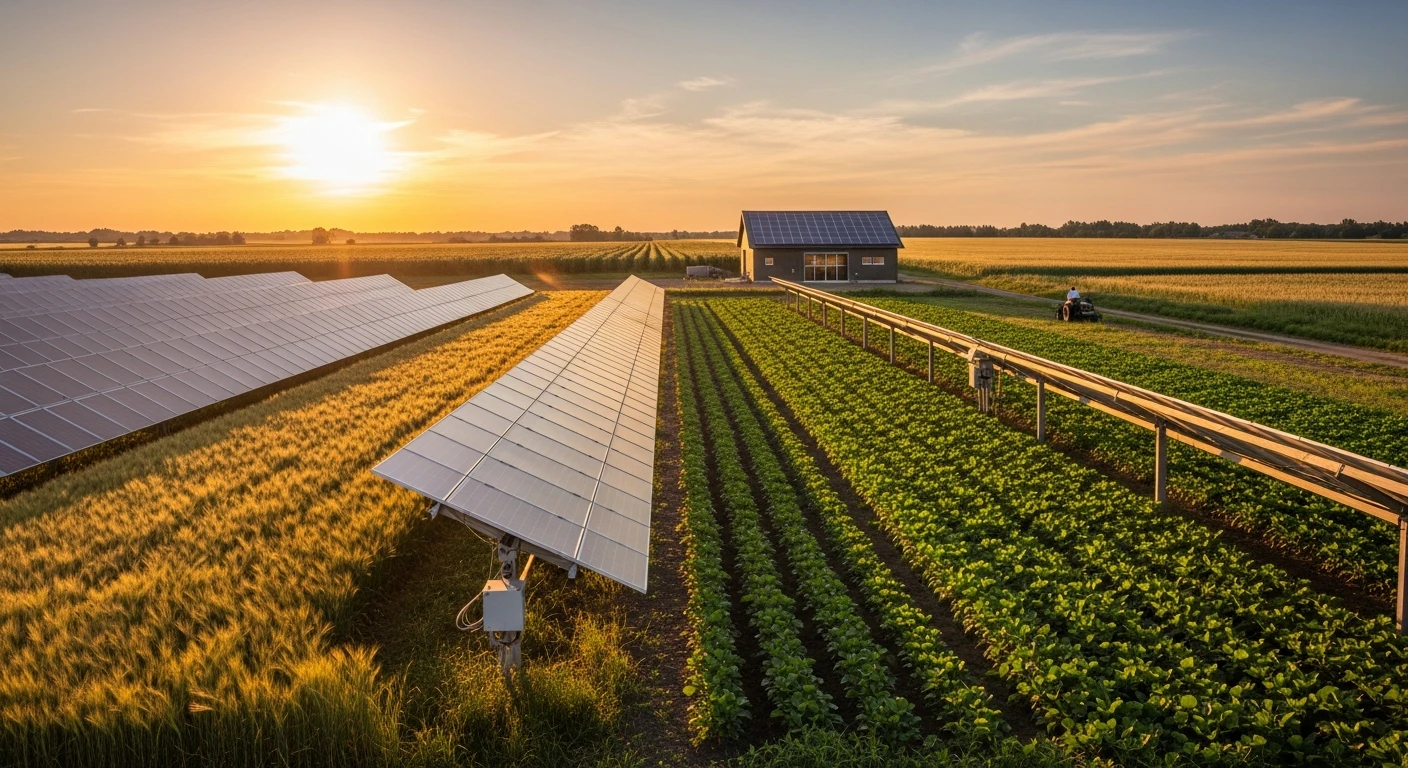
To qualify under the current legal standards, a project must demonstrate that agricultural activity continues throughout its operational life. This involves engineering solar arrays to allow for machinery access, livestock grazing, or crop growth while maintaining a commercial agricultural operation. Furthermore, the law requires strict decommissioning plans that mandate the removal of equipment at the end of its life cycle, ensuring the soil remains protected for future generations of farmers who wish to return the land to traditional use.
How Does the State Balance Solar Expansion with the Preservation of Prime Farmland?
A persistent tension exists between the rapid deployment of solar technology and the preservation of high-quality agricultural soil, often referred to as prime farmland. Recent data indicated that a significant portion of the land utilized for solar development was previously classified as prime acreage, sparking concerns among conservationists. This conflict has necessitated a policy shift that encourages developers to consider less fertile land or brownfields while allowing for dual-use projects where high-quality soil is present.
Agrivoltaics serves as the primary compromise in this ongoing debate by allowing farmers to generate revenue from energy while keeping the ground in production. Rather than viewing the two sectors as competitors, the state encourages a symbiotic relationship where solar income provides a financial buffer against fluctuating crop prices. This approach aims to slow the loss of acreage to residential development, as the combined income from energy and farming makes it more economically feasible for families to keep their land instead of selling it to developers.
What Is the Role of the Advisory Panel in Shaping Agricultural Energy Policy?
Effective implementation of these dual-use strategies requires constant collaboration between technical experts and the individuals who actually work the land. An advisory panel, composed of conservationists, solar developers, and agricultural representatives, serves as a bridge between high-level policy and practical field application. This group is responsible for refining the criteria used to certify agrivoltaic projects and for monitoring the success of various co-location techniques across the different geographic regions of Virginia.
The inclusion of the Virginia Farm Bureau and local grazing associations ensures that the standards remain grounded in reality. By providing a platform for stakeholder feedback, the panel can identify barriers to adoption, such as permitting hurdles or technical limitations in panel height. This collaborative environment fosters innovation, as industry leaders work together to create incentives that reward farmers for maintaining soil health and biodiversity within their energy-generating fields.
Beyond Sheep Grazing: Can Diverse Crops Thrive under Solar Arrays?
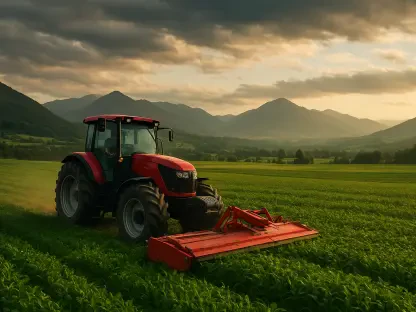
Historically, most dual-use projects in the region focused on sheep grazing or pollinator habitats because these required minimal adjustments to standard solar designs. However, the current trend is shifting toward more complex crop-sharing arrangements that utilize specialized infrastructure. These newer installations are designed with increased spacing and tracking technology to ensure that vegetables, hay, and even certain grains receive adequate sunlight and water while benefiting from the shade provided by the panels.
Small-scale projects have already demonstrated that crop-based agrivoltaics can meet a farm’s specific energy needs while maintaining high yields. These experiments provide the necessary proof of concept for larger commercial operations to scale up. As technology advances, the state expects to see a wider variety of crops integrated into solar fields, moving the industry beyond simple grazing toward a more robust model of agricultural growth that supports local food systems and energy grids simultaneously.
Summary: A Unified Strategy for Land Stewardship
The integration of solar power and farming in Virginia remains a dynamic process that relies on clear legal definitions and robust stakeholder engagement. By prioritizing productivity and operational continuity, the state ensures that renewable energy projects contribute to the rural economy rather than detracting from it. This balanced approach utilizes the concept of agrivoltaics to preserve prime farmland while meeting the energy demands of a growing population.
Modern policies facilitate a transition where farmers can diversify their income streams without abandoning their traditional roles as land stewards. The ongoing efforts of advisory panels and the success of early crop-based projects suggest that the two industries can indeed coexist effectively. As the state continues to refine its standards, the focus remains on ensuring that every acre of land provides maximum value through the dual production of food and energy.
Final Thoughts: The Path Forward for Virginia Farmers
The evolution of land-use policy in Virginia demonstrated that innovation and tradition were not mutually exclusive. Stakeholders across the Commonwealth recognized the necessity of adapting to a changing climate while protecting the historic integrity of the rural landscape. This journey proved that collaborative legislation could create a framework where both environmental goals and economic stability were achieved in tandem.
Farmers who embraced these new models discovered that energy production provided a reliable foundation for their operations. The successful implementation of these projects offered a blueprint for future developments, ensuring that the agricultural sector remained a cornerstone of the state’s identity. Moving forward, the continued refinement of these partnerships will likely lead to even more efficient uses of the Commonwealth’s natural resources.