
Taxpayers are increasingly forced to pay twice for basic services by funding failing public utilities while simultaneously hiring private contractors for repairs. The crumbling state of the national infrastructure has reached a definitive tipping point, where mere inconvenience has evolved into a full-scale systemic collapse that threatens the very fabric of daily life. While the term “load shedding” has been a part of the local lexicon for years, it is increasingly understood as a symptom of a much deeper institutional decay that extends to water sanitation systems and the structural integrity of road networks. Years of chronic mismanagement and hollow governmental promises have eroded public trust to the point where citizens no longer view the state as a reliable provider of basic survival needs. In this environment of profound dysfunction, a new era of self-reliance has emerged, characterized by a rapid move toward private energy solutions. This transition is not merely an lifestyle upgrade but is increasingly framed as a necessary act of “self-defense” against a failing national service delivery model that leaves millions in the dark. As the reliability of the national grid plummets, the public has shifted from passive survival—relying on candles and basic gas stoves—to sophisticated technological fortification. This transition has moved through various stages of adaptation, starting with modest battery backups for home offices and culminating in total energy independence through high-end rooftop solar installations that bypass the rickety local distribution networks entirely.
The Shift: Centralized Control to Private Power
Adapting: The Collapse of the Energy Monopoly
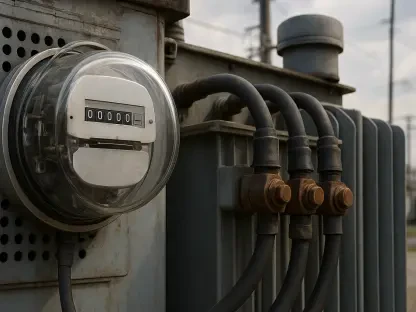
The deterioration of the national energy sector is no longer confined to a lack of generation capacity at the central level but has expanded into a total breakdown of local neighborhood infrastructure. In many older suburbs, the distribution network has become so fragile that even during windows when the national utility has power available, local substations and aging utility poles fail spontaneously under the slightest environmental stress. These poles are often seen as hazardous tangles of unofficial repairs and weathered wiring, serving as a physical manifestation of a dying system that is unable to support modern demands. Consequently, the burden of maintenance has effectively shifted from the municipality to the community, with neighbors frequently pooling private funds to hire independent electricians to fix municipal equipment that the state refuses or is unable to service in a timely manner. This grassroots privatization of infrastructure maintenance represents a significant shift in how citizens interact with their environment, as the expectation of state-led urban management is replaced by a necessity for communal self-sufficiency. The result is a patchwork of reliability where only those neighborhoods with the organizational capacity and financial resources to maintain their own local grids can ensure a consistent supply of electricity.
The Micro-Economics: Personal Solar Investment
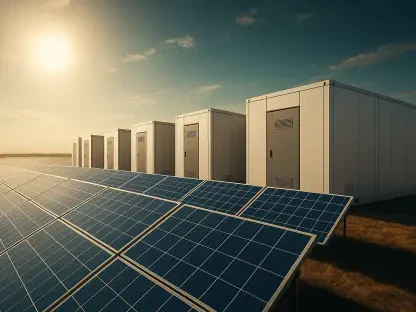
For those with the necessary financial means, the transition to solar power represents a significant but essential capital investment, with robust residential systems often costing upwards of $5,000 to $15,000 depending on the storage capacity. This sudden “solar gold rush” has catalyzed a volatile and largely unregulated market filled with unverified contractors and varying qualities of hardware, making personal recommendations and rigorous vetting essential for a safe and effective installation. Beyond the sheer financial cost, there is a profound psychological shift that occurs when a household moves from being a passive consumer of a failing state entity to a “harvester” of renewable energy. This newfound autonomy provides a tangible sense of liberation, as residents utilize mobile applications to track their independence from an unreliable grid in real-time, monitoring every kilowatt-hour generated by the sun. This shift toward personal energy production is fundamentally changing the domestic economy, as households reallocate funds from monthly utility bills toward the financing of high-tech lithium-ion batteries and high-efficiency photovoltaic panels. The autonomy gained from these systems is not just about keeping the lights on; it is about reclaiming control over one’s daily schedule and economic productivity in a landscape where the state can no longer guarantee the most basic requirements for modern existence.
A Vision: A Renewed National Energy Strategy
Legislative Reforms: A Sun-Drenched Nation
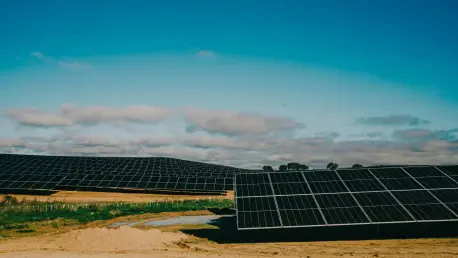
The geographical advantage of the region, which boasts roughly 350 sunny days a year, suggests that solar energy should be the undisputed cornerstone of all national policy moving forward. A proposed strategic plan for a solar-powered future emphasizes the need for mandatory solar integration for all new residential, commercial, and industrial constructions initiated from 2026 to 2030. By requiring new buildings to generate a significant portion of their own power, the nation could drastically reduce the strain on existing, overburdened infrastructure while fostering a culture of decentralized energy production. Furthermore, the utilization of vast, arid desert regions for large-scale solar farms offers a clear path toward a clean energy surplus that could eventually be exported to neighboring states. Such projects would bypass the decaying transmission lines that currently hinder progress, provided they are coupled with modern high-voltage direct current (HVDC) technology to minimize transit losses. Legislative reform must also include the immediate removal of import duties on renewable energy components, ensuring that the technology becomes more affordable for a broader segment of the population rather than remaining a luxury for the elite.
Transforming: The Utility Business Model
To truly embrace a sustainable future, the national utility, Eskom, must pivot away from its historical obsession with coal-fired power and centralized control. Instead of viewing decentralized solar installations as a threat to its traditional revenue streams, the state should transition into a financier and facilitator of the “Fourth Industrial Revolution” within the energy sector. By providing low-interest loans for solar equipment and professional installations, the utility could earn interest and service fees while fostering a more resilient and distributed national grid. This shift would also necessitate the rapid localization of the solar supply chain, creating a domestic manufacturing base for panels, inverters, and battery storage systems. Such an industrial policy would generate thousands of high-skilled jobs and stimulate economic growth within the renewable sector, turning a national crisis into a catalyst for technological advancement. From 2026 to 2029, the focus must be on re-training the existing workforce from the coal sector to support the burgeoning green economy, ensuring that the transition is not only technological but also socially and economically inclusive for those currently employed in the traditional energy industry.
Navigating: Regulatory Friction and State Hostility
The Paradox: Solar Taxes and Fines
Despite the clear and present benefits of private solar adoption, the government has often reacted with a degree of hostility toward those attempting to solve their own energy problems. Instead of incentivizing the reduction of grid load, authorities have introduced punitive “solar network fees” and “capacity charges” specifically aimed at recouping revenue lost to private generation. Homeowners who fail to register their systems with municipal authorities or who attempt to go entirely off-grid are frequently met with steep administrative fines and mandatory monthly fixed costs that often exceed the price of the actual electricity consumed. This creates a perverse regulatory environment where the state effectively penalizes innovation and self-sufficiency to protect the balance sheets of failing public entities. Such policies discourage the very investment needed to stabilize the national energy supply and create a sense of resentment among citizens who feel they are being punished for their initiative. The irony of taxing the sun in a country where the state-provided alternative is consistently unavailable has not been lost on the public, leading to increased friction between private innovators and municipal regulators who seem more concerned with revenue protection than with national energy security.
Bridging the Gap: Policy and Potential
The current friction between state regulators and private innovators highlights a deep and growing disconnect between the country’s natural resource potential and its rigid, often outdated political institutions. The movement toward solar energy appears to be an unstoppable technological evolution, yet it is currently being hampered by a legal framework that continues to prioritize the “stygian darkness” of a coal-centric past over a cleaner, more efficient future. For the transition to succeed, the government must stop viewing the sun as a competitor to state-owned enterprises and start viewing it as an essential partner in national development. This requires a fundamental alignment of regulatory goals with technological reality, where the state provides the framework for a sustainable and decentralized energy economy rather than acting as a gatekeeper for failing monopolies. Bridging this gap involves creating transparent feed-in tariffs that allow private citizens to sell excess power back to the grid at fair market rates, thereby turning every rooftop into a potential power plant. Only through such collaborative policies can the country move beyond the cycle of crisis and toward a future where energy is abundant, reliable, and accessible to all citizens regardless of their economic status.
The Future: South African Energy Sovereignty
Creating: A Two-Tier Energy Society
As the middle class and corporate sectors effectively “secede” from the national grid by investing in private solar solutions, a worrying social divide is emerging between those who can afford solar sovereignty and those who remain at the mercy of a failing utility. This two-tier system reinforces existing economic inequality, as the wealthiest citizens and most productive businesses enjoy uninterrupted power while the most vulnerable communities remain trapped in the dark during frequent outages. Addressing this growing disparity requires a national financing system that makes solar technology accessible to more than just the affluent minority. Without inclusive policies and subsidized solar programs for low-income housing, the solar transition risks becoming a symbol of privilege rather than a national standard for all citizens. It is essential that the benefits of renewable energy are distributed equitably, ensuring that the “energy transition” does not become another mechanism for social exclusion. Targeted grants and community-owned solar micro-grids offer a potential solution for providing reliable power to informal settlements and rural areas, thereby narrowing the gap between the energy-rich and the energy-poor and fostering a more cohesive national recovery from the current infrastructure crisis.
Actionable Steps: The Solar Paradigm Shift
The transition toward a solar-powered future required a fundamental break from the centralized energy models that dominated the previous century. Success was eventually achieved when the national strategy shifted to prioritize decentralization and private-public partnerships over state-controlled monopolies. The path forward involved the implementation of aggressive tax credits for residential storage systems and the streamlining of the permitting process for neighborhood-scale micro-grids. Furthermore, the establishment of a localized manufacturing hub for photovoltaic cells reduced the reliance on expensive imports and stabilized the supply chain against global market fluctuations. By legislating for mandatory solar generation in the building codes and fostering a competitive market for energy services, the nation began to transform its greatest natural resource—abundant sunlight—into a stable foundation for economic growth. The transition also required a significant investment in grid modernization to handle the bi-directional flow of electricity from millions of small-scale producers. Ultimately, these actions provided a clear blueprint for how a developing nation could navigate the collapse of traditional infrastructure by embracing technological autonomy. The result was a more resilient, sustainable, and democratic energy landscape that empowered individual citizens while securing the collective future of the country.