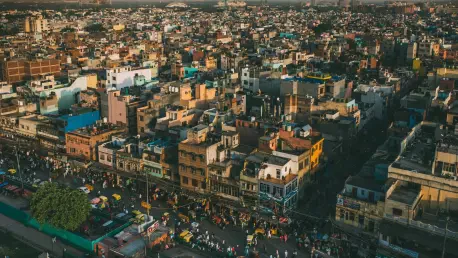

The rapid urbanization of Delhi has placed an unprecedented strain on the city’s waste management infrastructure, necessitating a massive expansion of processing facilities to handle the thousands of tons of garbage generated daily by its ever-growing population. This expansion plan targets a significant increase in capacity, aiming to process an additional 13,550 tons of waste through a multi-pronged approach involving new waste-to-energy plants and engineered landfills. The municipal authorities are now pivoting toward decentralized processing units and high-capacity incinerators to divert trash from the legacy sites that have historically dominated the landscape. For years, the mountains of refuse at Ghazipur, Okhla, and Bhalswa served as stark reminders of the inefficiencies in the previous system. By implementing these technological upgrades, the city intends to transform its environmental footprint while addressing public health concerns associated with toxic runoff. The strategy focuses on ensuring that every ward in the national capital territory contributes to a more circular economy by sorting waste at the source and utilizing advanced thermal treatment technologies.
Modernizing Infrastructure: Sustainable Solutions for Urban Growth
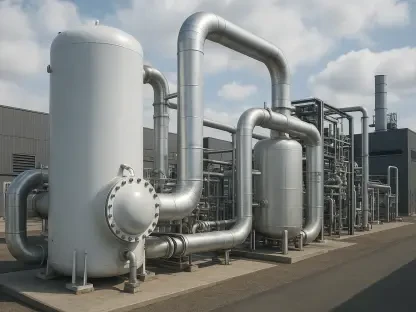
The core of this initiative involves the establishment of sophisticated waste-to-energy facilities designed to handle a majority of the dry waste that currently ends up in overflow areas. These plants are being strategically located near high-generation zones to minimize transportation costs and reduce the carbon emissions associated with heavy-duty garbage trucks moving across the metropolitan area. By integrating automated sorting systems, these sites can effectively separate combustible materials from recyclables, ensuring that the energy recovery process is as efficient as possible. This move reflects a shift away from traditional dumping methods toward a more industrialized approach to sanitation. Engineers are currently overseeing the installation of high-temperature boilers that can incinerate thousands of tons of municipal solid waste daily while adhering to strict emission standards. Such an uptick in capacity is not merely an incremental improvement but a fundamental redesign of how the capital interacts with its daily refuse and manages its growing environmental footprint.
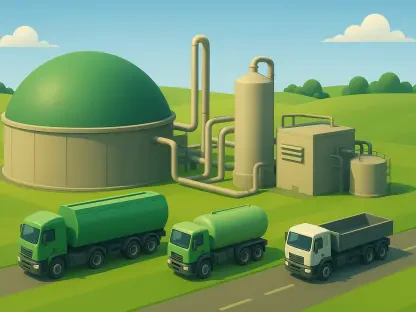
The transition toward a comprehensive waste management system demonstrated a significant commitment to urban sustainability and public welfare through the successful integration of 13,550 tons of additional capacity. It became clear that the deployment of large-scale biomethanation plants and aerobic composting facilities was necessary to manage the organic fraction of the waste stream effectively. From 2026 to 2028, these facilities reached their operational potential, converting kitchen waste into biogas and high-quality fertilizers. Authorities identified that strictly enforcing source segregation policies was the most critical factor in ensuring that high-tech processing plants received uncontaminated materials. Moving forward, the focus shifted toward expanding decentralized material recovery facilities to reduce the burden on centralized plants. Investing in continuous workforce training for sanitation workers ensured that new technologies were operated safely. By prioritizing circular economy principles, the capital established a blueprint for other megacities to mitigate the environmental impacts of intensive urbanization.