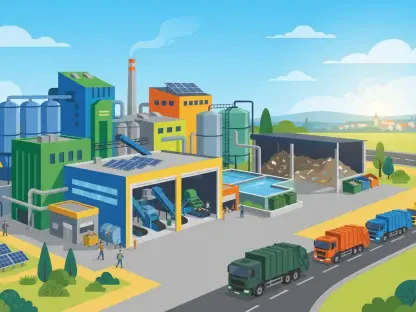

Modern Compressed Biogas engineering requires high-precision pretreatment protocols to ensure that complex mechanical or chemical breakdown occurs before the digestion phase. As the global energy market transitions toward decentralized and renewable alternatives, the ability to convert agricultural residues and organic waste into a standardized energy product has become a cornerstone of the circular economy. In the current landscape of 2026, the shift from small-scale biogas units to industrial-grade Compressed Biogas facilities represents more than just a technological upgrade; it is a fundamental reimagining of waste as a strategic asset. Historically, biogas was viewed as a localized solution for waste management, but the modern approach treats it as a sophisticated, profit-driven ecosystem. In regions like India, strategic government initiatives such as the Sustainable Alternative Towards Affordable Transportation and the GOBARdhan scheme have provided the necessary regulatory tailwinds to move this sector forward. These programs have reframed organic waste as a high-value resource and incentivized oil marketing companies to integrate the gas into their retail networks. However, the maturity of the industry reveals that the physical plant is just one piece of the puzzle. The true challenge lies in building a robust framework of feedstock supply and byproduct utilization that can support continuous industrial operations at a scale that attracts serious institutional investment.
Establishing Resilience: Biomass Sourcing and Reliability
The long-term success of a commercial biogas venture is predominantly determined before the first piece of equipment is even installed. A major hurdle for developers is the significant gap between regional biomass availability and actual plant-gate reliability. While national statistics may suggest an abundance of agricultural residue or cattle dung, a viable project requires a bankable supply chain that can withstand seasonal fluctuations and competitive market pressures. This necessitates a granular assessment of local conditions, moving beyond theoretical data to secure physical and economic control over the feedstock. Developers must establish long-term contracts with suppliers to ensure that the material is not diverted to competing uses, such as animal fodder or industrial boiler fuel, which can suddenly spike in price or decrease in availability.
Logistics: Mastering Supply Chain Reliability and Bankability
Securing a bankable supply chain involves identifying who controls the waste and whether the material can be physically collected and transported at a predictable cost year-round. In 2026, the focus has shifted toward formalized collection networks that utilize technology to track feedstock from the source to the digester. Developers must account for the logistical complexities of handling low-density agricultural residues, where transportation costs can quickly erode the profit margins of the entire project. Successful operators have implemented decentralized collection centers and specialized baling equipment to increase the density of the material, thereby optimizing transport efficiency and reducing the carbon footprint of the feedstock procurement process.
Furthermore, the economic bankability of the supply chain depends on the transparency and stability of the pricing mechanism. Without a clear understanding of the total cost of ownership for each ton of feedstock, investors remain hesitant to commit capital to large-scale projects. This requires a shift from informal, spot-market purchases to structured agreements that provide incentives for farmers and waste aggregators. By creating a symbiotic relationship where the supplier benefits from a consistent offtake and the developer benefits from a guaranteed price ceiling, the project can maintain financial stability even during periods of market volatility. This structural security is what ultimately transforms a waste management project into a high-performance energy asset.
Characteristics: Managing Material Quality and Seasonal Variation
The chemical and physical characteristics of the feedstock—such as moisture levels, total solids, and volatile solids—directly dictate the methane yields and the overall efficiency of the digestion process. Because agricultural cycles are inherently seasonal, a successful plant must implement strategies for long-term storage or utilize flexible feedstock blending to maintain steady production during lean periods. Failure to match the technology to these specific biological characteristics often leads to operational instability. Modern laboratories are now integrated into the plant design to provide real-time analysis of incoming materials, allowing operators to adjust the feeding recipes dynamically to maintain the health of the anaerobic bacteria within the digester.
Moreover, the physical contaminants often found in organic waste, such as plastic, stones, or metal, can cause catastrophic failure in downstream machinery if not properly addressed. Effective quality management protocols involve multi-stage cleaning and separation processes that protect the integrity of the plant. As the industry moves toward more diverse feedstocks, including municipal solid waste and industrial effluents, the complexity of these pretreatment systems has increased. Developers who invest in robust screening and homogenization technologies find that the upfront capital expenditure is quickly recovered through reduced maintenance costs and higher uptime. Consistency in material quality is the primary driver of predictable gas output and long-term mechanical reliability.
Technical Precision: Engineering for Operational Reliability
The one-size-fits-all approach to anaerobic digestion has become obsolete in the commercial sector as projects demand high-precision engineering calibrated to the specific traits of the input material. Modern facility design emphasizes the synchronization of mechanical systems with biological requirements to ensure that the microorganisms can work at peak efficiency. This involves sophisticated heating and mixing systems that maintain a stable environment within the digester, regardless of external weather conditions. In the current engineering paradigm, every component—from the feeding pumps to the gas storage tanks—must be selected based on its ability to handle the corrosive and abrasive nature of biogas production while maintaining a low internal energy consumption profile.
Design: Tailoring Technology to Biological Requirements
Precision engineering starts with a deep understanding of the biology of anaerobic digestion, which is why modern projects prioritize customized digester designs over standardized models. For instance, high-solids digestion systems are favored for agricultural residues, while liquid-state digesters are more appropriate for effluents and food waste. The selection of the digestion technology must be a secondary step to the feedstock assessment, ensuring that the biology drives the technology rather than the other way around. This approach minimizes the risk of process inhibition, where the buildup of certain chemicals or the presence of inhibitory substances can stall gas production and lead to expensive downtime for the entire facility.
In addition to the primary digestion tanks, the design must incorporate advanced impurity management systems to handle hydrogen sulfide and other volatile compounds. These impurities are not only harmful to the environment but can also cause severe corrosion in the compression and storage equipment. High-purity standards are mandatory for the gas to be used in vehicle engines or injected into the natural gas grid. By integrating biological desulfurization or chemical scrubbing systems directly into the process flow, developers can ensure that the final product meets the stringent quality requirements of oil marketing companies. This level of technical sophistication is what distinguishes modern, viable projects from earlier, less efficient attempts at biogas production.
Automation: Maximizing Recovery and Process Stability
Operational reliability is the primary metric for long-term profitability, and sophisticated automation is now considered an essential tool for maintaining this stability. Real-time monitoring systems use sensors to track pH levels, temperature, and gas composition, providing operators with the data needed to make proactive adjustments before minor issues escalate into major failures. In 2026, artificial intelligence is increasingly used to optimize the feeding schedules and mixing patterns, maximizing the methane recovery efficiency. Even a minor percentage increase in gas capture can significantly improve the internal rate of return for a project, making the investment in high-end control systems highly lucrative over the life of the plant.
Furthermore, the integration of automation extends to the compression and dispensing stages, where safety and precision are paramount. Automated safety shut-off valves, leak detection systems, and remote monitoring capabilities ensure that the facility can operate safely with minimal manual intervention. This reduces labor costs and enhances the overall safety profile of the site, which is critical for securing insurance and regulatory approvals. As the scale of biogas plants continues to grow, the ability to manage complex industrial processes through centralized control platforms becomes a key differentiator for successful developers. Technical excellence in automation ensures that the plant remains a reliable energy supplier for the duration of its operational life.
Economic Sustainability: Revenue Models and Industrial Integration
Commercial viability in the sector is increasingly tied to a tri-stream economic model that goes beyond the simple sale of compressed methane. While the primary revenue comes from gas offtake agreements, the emerging consensus for financial resilience relies on the monetization of every output from the plant. This includes the solid and liquid fractions of the digestate, which are rich in organic carbon and essential plant nutrients. By diversifying income streams, developers can mitigate the risks associated with fluctuations in energy prices or seasonal spikes in feedstock costs. This multifaceted approach transforms the facility from a single-product factory into a comprehensive resource-recovery center that supports the broader agricultural and industrial sectors.
Monetization: Capitalizing on the Tri-Stream Economic Model
The secondary revenue stream—nutrient-rich digestate—is becoming equally vital to the business model as the gas itself. This residual material can be processed into Fermented Organic Manure and Liquid Fermented Organic Manure, which are in high demand as farmers look for sustainable alternatives to chemical fertilizers. In 2026, specialized processing equipment is used to pelletize the solid digestate, making it easier to transport and apply to fields. This not only provides a lucrative product for the agricultural market but also helps in soil carbon sequestration and moisture retention. By branding and marketing these organic fertilizers effectively, biogas plants can create a steady income stream that is often more stable than the volatile energy market.
The third revenue pillar involves waste management services, particularly for facilities that handle municipal or industrial organic waste. By charging tipping fees for the responsible treatment of waste, developers can create a financial cushion that supports the plant’s operations during the initial ramp-up period. Additionally, the ability to generate environmental credits or carbon offsets adds another layer of financial stability. As corporations and governments strive to meet their net-zero targets, the carbon-negative nature of biogas production becomes a highly sellable commodity. This diversified revenue structure ensures that the project remains profitable even when one sector faces economic pressure, providing a robust financial foundation for long-term growth.
Synergy: Embracing the Integrated Biorefinery Concept
The most sustainable projects have moved toward an integrated biorefinery model rather than operating as standalone units. Sugar mills, distilleries, and large-scale agricultural enterprises are perfectly positioned for this shift because they already manage vast quantities of organic byproducts that can serve as high-quality feedstock. By incorporating a biogas unit into existing industrial cycles, these entities can optimize resource use and eliminate the costs associated with waste disposal. The integration allows for the internal use of produced heat and power, further reducing the operating expenses of the parent facility. This synergy transforms waste into a high-value input for a secondary industrial process, creating a circular flow of resources that maximizes efficiency.
The transition toward integrated resource-recovery platforms was a defining moment for the industry, as it aligned environmental goals with commercial profitability. Developers realized that the cost per unit of methane produced could be significantly lowered by sharing infrastructure and administrative costs with existing industrial plants. Furthermore, the integration helped in achieving higher environmental standards, as the waste was treated on-site rather than being transported to distant landfills. The most successful projects prioritized the full value chain, ensuring that every byproduct was matched with a market need. This approach provided the actionable next steps for the industry, moving from isolated experiments to a nationwide network of energy-producing biorefineries that stabilized the renewable energy market.