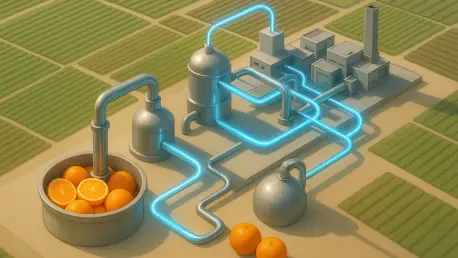

A custom-formulated microbial inoculum will allow the new plant to break down harsh citrus runoff that was previously difficult for traditional treatment systems to handle. This ambitious project, situated within the Matão juice processing complex, represents a significant shift in how the agricultural industry addresses the massive volumes of organic waste generated during the extraction of orange juice. For years, the presence of limonene, a natural compound found in citrus peels, hindered the effectiveness of standard anaerobic digestion by inhibiting the bacteria necessary for decomposition. By utilizing specialized strains of microbes, the facility is now capable of converting high-acid effluent into a valuable source of renewable energy. This development is not merely an incremental improvement; it is a foundational change that allows the facility to treat several million cubic meters of wastewater annually. The scale of this operation sets a new global benchmark for the sector, proving that even the most challenging industrial byproducts can be integrated back into a productive circular economy.
Scaling Advanced Anaerobic Digestion: Technical and Environmental Impacts
The engineering behind the Matão plant focuses on a multi-stage anaerobic digestion process that maximizes methane yield while minimizing the footprint of the treatment site. Engineers designed a series of high-capacity reactors that maintain precise temperature and pH levels, ensuring that the microbial environment remains optimal despite fluctuations in the chemical composition of incoming waste. As the raw effluent enters the system, it undergoes a pre-treatment phase where solids are separated and conditioned for the primary digestion tanks. Within these massive airtight structures, the specialized bacteria break down organic matter, releasing a gas mixture rich in methane. This biogas is then captured, scrubbed of impurities, and channeled into high-efficiency cogeneration units. These units generate both electricity and thermal energy, which are immediately redirected to power the juice evaporation and pasteurization lines, reducing the reliance on external fuel sources and stabilizing the internal power supply.
Beyond the immediate production of electricity, the facility is equipped to upgrade biogas into biomethane, a high-purity fuel that is chemically identical to natural gas. This secondary processing stage involves advanced membrane separation technology that removes carbon dioxide and hydrogen sulfide, resulting in a fuel source that can be compressed and used for heavy-duty logistics. By converting the company’s internal fleet of orange transport trucks to run on this locally produced biomethane, the project addresses one of the most difficult segments of the supply chain to decarbonize. The integration of this technology from 2026 to 2028 is expected to eliminate thousands of tons of carbon dioxide emissions that would otherwise result from diesel consumption. Furthermore, the byproduct of the digestion process, known as digestate, serves as a nutrient-rich organic fertilizer. This liquid bio-fertilizer is returned to the orange groves, completing a full ecological circle that replenishes the soil and reduces the reliance on synthetic chemicals for regional crop maintenance.
Economic Resilience: Future Industry Pathways and Market Standards
The financial logic behind this massive investment extends far beyond simple waste management or environmental compliance. In an era where global energy prices remain volatile and carbon taxes are becoming increasingly prevalent, generating energy on-site provides a critical hedge against operational risks. The ability to transform a costly disposal problem into a profit-generating asset fundamentally changes the balance sheet for large-scale juice producers. By 2027, the facility is projected to achieve a level of energy autonomy that will shield it from price spikes in the broader energy market. Moreover, the project qualifies for various green financing incentives and carbon credits, which further accelerate the return on investment. This fiscal stability allows for more predictable long-term planning and investment in further agricultural innovations. Sustainability is no longer a luxury but a core component of industrial competitiveness, as companies must optimize resource use to stay viable in a resource-constrained global market.
Past implementations of large-scale bioenergy projects highlighted the need for robust regulatory frameworks and cross-sector collaboration to ensure long-term viability. The successful launch of the Matão facility demonstrated that the integration of microbial science and industrial engineering was the most effective pathway for handling complex organic streams. Stakeholders recognized that the focus had to shift toward expanding the regional infrastructure for biomethane distribution, allowing surplus fuel to reach a wider network of industrial users. It was determined that governments and private entities needed to collaborate to establish standardized injection protocols for natural gas grids, which facilitated the sale of excess renewable gas produced by agricultural giants. Future research efforts were also prioritized to develop even more resilient microbial strains that could tolerate a broader range of contaminants, potentially opening the door for treating other challenging wastes like those from olive oil or wineries.