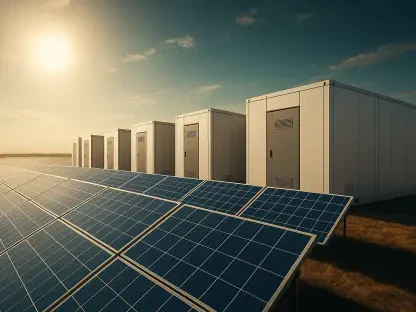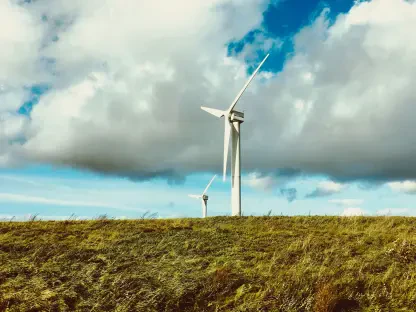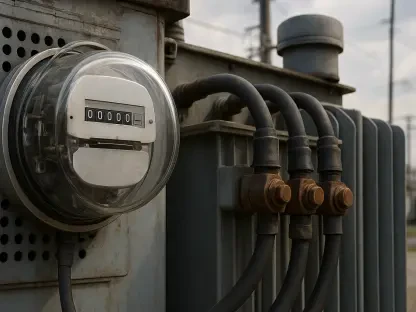

The global urgency for climate action has prompted Malaysia to redefine its industrial and environmental strategies to achieve a carbon-neutral footprint by the middle of this century. Although the nation contributes less than one percent to global carbon emissions, the local impacts of environmental shifts have necessitated a robust policy response known as the National Energy Transition Roadmap. This framework is not merely a statement of intent but a detailed blueprint designed to shift the energy mix, targeting a seventy percent share for renewable sources in the total electricity capacity. Transitioning away from fossil fuels represents a monumental task, yet the government remains committed to balancing economic growth with ecological preservation. By focusing on both the generation of clean power and the meticulous management of how that power is consumed, the nation aims to secure its energy future while setting a regional example for sustainable development through strategic investments and policy reform.
Bridging Renewable Supply and Operational Efficiency
The Synergy: Generation and Conservation
The integration of renewable energy sources into the national grid represents only half of the equation required to reach a sustainable net-zero status. Energy experts argue that the most sustainable kilowatt is the one that is never generated in the first place, emphasizing that conservation is a critical pillar of any energy transition. If the current expansion of solar arrays and biomass facilities is met with inefficient usage patterns, the benefits of cleaner generation are effectively negated by waste. Therefore, the national strategy emphasizes that supply-side improvements must be coupled with rigorous demand-side management to create a balanced ecosystem. This synergy ensures that the capital invested in green infrastructure yields the highest possible environmental return. By viewing energy as a precious resource rather than an infinite commodity, the government encourages a holistic perspective where efficiency becomes an inherent part of every technological advancement.
Mandatory Compliance: The EECA 2024 Framework
The introduction of the Energy Efficiency and Conservation Act (EECA) 2024 represents a pivotal moment in the nation’s regulatory landscape, moving away from voluntary guidelines toward a mandatory compliance model. This legislation provides the legal authority needed to enforce strict energy management standards across diverse sectors, ensuring that large-scale users are held accountable for their consumption. By codifying these requirements, the government has sent a clear signal to the market that efficiency is no longer an optional feature of business operations but a fundamental legal requirement. This shift is designed to eliminate the discrepancies in how different organizations approach sustainability, creating a level playing field where compliance is the baseline for success. Under the new legal provisions, organizations exceeding specific energy consumption thresholds are now required to appoint registered energy managers and conduct periodic audits to identify areas of waste.
Projected Impacts and Societal Transformation
Economic Gains: Emission Reductions and Savings
The long-term projections associated with the implementation of these efficiency measures suggest a transformative impact on the national economy and the environment. Between 2026 and 2050, the country is expected to save more than 2,000 million gigajoules of energy, a figure that underscores the sheer scale of the potential reduction in resource consumption. From a financial perspective, these savings are estimated to translate into approximately RM97.1 billion in reduced utility costs for commercial, industrial, and residential users. This massive injection of capital back into the economy provides businesses with more resources for innovation and expansion while lowering the cost of living for individual citizens. Beyond the immediate financial benefits, the environmental impact of the new efficiency standards is equally profound, with a projected prevention of 198,000 kilotonnes of carbon emissions, which is a vital component of the broader strategy to mitigate climate change.
Strategic Implementation: Future Resilience
The path toward a net-zero future was established through a series of decisive legislative and strategic actions that prioritized long-term resilience over short-term convenience. Stakeholders recognized that the successful integration of clean energy required a simultaneous commitment to reducing demand through structural and behavioral modifications. Moving forward, the focus was placed on scaling these initiatives by expanding the reach of energy audits to include a broader range of medium-sized enterprises. Future considerations also included the development of local supply chains for high-efficiency technology to reduce dependence on imported components and foster domestic industrial growth. Financial institutions were encouraged to introduce more specialized green financing products that specifically target energy efficiency retrofits for older building stocks. By maintaining this momentum, the nation solidified its position as a leader in regional energy transition, proving that clear policy frameworks could drive growth.