
The allocation of eight point five million dollars in federal funding marks a pivotal turning point for Minnesota as the state addresses the critical need for advanced infrastructure capable of managing increasingly complex municipal solid waste streams efficiently. This significant investment, sourced from the Environmental Protection Agency’s Solid Waste Infrastructure for Recycling grant program, targets a long-standing bottleneck in the regional circular economy. For years, the state has grappled with aging facilities that struggle to process the sheer volume of modern packaging materials, often leading to higher contamination rates and lower market value for recycled commodities. By injecting these funds into the local system, the Minnesota Pollution Control Agency intends to catalyze a statewide transformation that moves beyond traditional landfilling toward a more sophisticated, technology-driven model. This initiative is not merely about maintenance; it represents a fundamental shift in how resources are recovered and reused across the region.
Technological Integration: Robotics and Artificial Intelligence
Modernization efforts focus heavily on the deployment of artificial intelligence and robotic sorting arms within material recovery facilities located in both urban and rural corridors. These advanced systems utilize sophisticated computer vision and near-infrared sensors to identify various resin types and fiber qualities at speeds that far exceed human capabilities. In a typical facility, a robotic arm can perform up to eighty successful “picks” per minute, ensuring that high-value plastics like PET and HDPE are captured before they reach the residual waste stream. The integration of these technologies allows for twenty-four-hour operation, which is essential as the volume of household recyclables continues to climb. Furthermore, the adaptability of AI software means that sorting protocols can be updated remotely to recognize new types of packaging as they enter the consumer market. This level of technological agility ensures that Minnesota’s infrastructure remains relevant and effective despite rapidly changing manufacturing trends and material compositions.
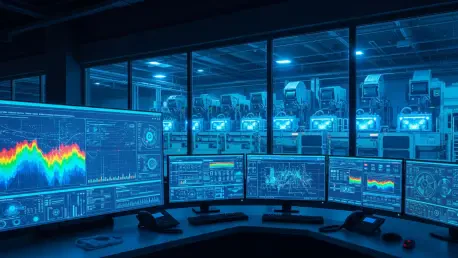
Beyond the physical sorting of materials, the modernization program emphasizes the collection and analysis of real-time data to optimize the entire waste management lifecycle. By installing sensors across various stages of the recovery process, facility managers can gain deep insights into the composition of incoming waste streams, allowing them to adjust machinery settings for maximum throughput. This data-driven approach also provides invaluable information to municipal planners, who can use the metrics to identify specific neighborhoods or commercial sectors where education on proper disposal is most needed. Moreover, the ability to guarantee a specific purity level through automated verification makes the resulting recycled bales much more attractive to domestic end-users, such as regional paper mills and plastic molders. By stabilizing the quality of the output, Minnesota creates a more predictable and resilient market for recycled goods. This economic stability encourages further private investment in the state’s green manufacturing sector, fostering a self-sustaining cycle of innovation.
Sustainable Infrastructure: Processing Organics and Strategic Implementation
A substantial portion of the newly secured funding is dedicated to expanding the state’s capacity for processing organic waste, which currently represents a significant untapped resource in the municipal stream. Traditional landfilling of food scraps and yard waste contributes heavily to methane emissions, but new industrial-scale composting and anaerobic digestion facilities offer a more sustainable path forward. These facilities convert organic matter into nutrient-rich soil amendments or renewable natural gas, providing a direct benefit to Minnesota’s extensive agricultural industry. By decentralizing the processing infrastructure, the state minimizes the carbon footprint associated with hauling heavy organic materials over long distances. Small-scale biodigesters in rural communities are being developed to handle local agricultural and residential waste, while larger regional hubs manage the high density of organic matter produced in metropolitan centers. This tiered infrastructure ensures that every ton of organic waste can be diverted from landfills and redirected toward productive uses.
The implementation phase established a robust framework for regional cooperation that prioritized long-term environmental resilience and operational transparency. Stakeholders moved beyond isolated facility upgrades by creating a unified logistics network that streamlined the movement of materials from curb to processor. This strategic alignment allowed smaller municipalities to leverage the advanced sorting capabilities of larger regional hubs, effectively democratizing access to high-tech recycling solutions. Educational programs were integrated into the rollout, ensuring that the transition to new sorting protocols was met with high levels of public participation and minimal confusion regarding new material classifications. The state also fostered partnerships with private sector innovators to test pilot programs for hard-to-recycle items, such as flexible films and mixed-material electronics. These actions successfully repositioned the waste management sector as a cornerstone of the regional economy rather than a mere utility service. Ultimately, the modernization project served as a definitive model for scaling sustainable infrastructure.