
The traditional reliance on fossil fuels for residential warmth is facing an unprecedented economic reckoning as the stability of natural gas prices gives way to a volatile global market. For decades, the American energy landscape was dominated by natural gas, marketed as a cheap and reliable utility for the average home. However, recent shifts in global geopolitics and the emergence of advanced electric heat pumps have fundamentally altered this narrative. This comparative analysis examines the transition from methane-based heating to electrified solutions, focusing on the systemic issues currently plaguing the fossil fuel sector. Key insights from energy analysts like Kate Shonk suggest that the current high costs of gas are not a temporary anomaly but a symptom of a shrinking, unsustainable system that requires immediate state-level intervention.
State governments, particularly in Colorado and New York, have recognized that the path to energy security involves moving away from the “duplicative” costs of maintaining two separate utility infrastructures. The purpose of this comparison is to address the growing financial burden on households and identify which technology offers a more stable future. While natural gas remains a legacy fixture in millions of homes, the push toward electrification is driven by the need for technical efficiency and a hedge against inflation. Understanding the interplay between commodity prices, infrastructure maintenance, and climate adaptability is essential for any homeowner or policymaker navigating the modern utility environment.
Economic and Operational Performance Factors
Price Volatility and Fuel Stability
The most immediate difference between these systems is how they interact with global energy markets. Natural gas heating is tethered entirely to the price of methane, a single commodity that has proven to be extremely sensitive to geopolitical shocks and extreme weather events. For instance, while forecasts previously placed gas prices at around $4.13/MMBtu, recent market spikes saw those prices climb to $7.72/MMBtu, nearly doubling the expected fuel cost for consumers in a single season. Because gas utilities typically pass these fuel costs directly to households on a one-for-one basis, families remain uniquely vulnerable to price surges that are entirely outside their control.
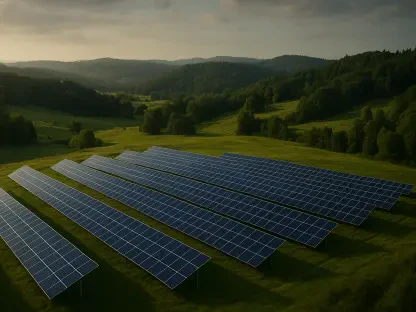
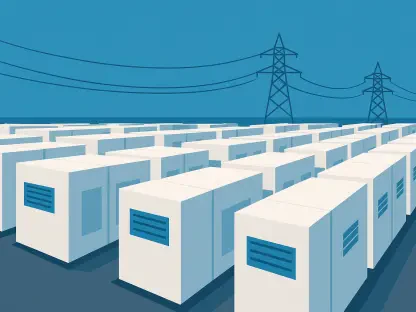
In contrast, electric heat pumps draw power from a grid that is increasingly supported by a diversified portfolio of fuel sources. By integrating wind, solar, and battery storage, the electric grid creates a buffer against the extreme price volatility characteristic of fossil fuels. Renewables like solar and wind have zero fuel costs, which helps stabilize long-term electricity rates even when global gas markets are in turmoil. This fuel stability makes electrification a more predictable option for household budgeting, moving away from the “boom and bust” cycles that define the natural gas industry.
Delivery Infrastructure and Long-Term Costs
Beyond the cost of the fuel itself, a significant portion of a utility bill is dedicated to maintaining the physical delivery network. In the current landscape, delivery rates often account for two-thirds of a typical gas bill. This is largely due to the massive capital expenditures required to maintain, replace, and expand aging pipeline networks. As utilities continue to invest billions into a system that is increasingly redundant, these fixed costs are distributed among a shrinking customer base. Consequently, gas bills have been rising 60% faster than electric bills, creating a financial trend that favors the transition to a single-utility electric model.
The hidden burden of infrastructure maintenance means that even if the market price of methane were to drop, total gas bills would likely continue to climb. Utilities are often incentivized to build new pipelines to earn a return on equity, even when “non-pipe alternatives” or electrification would be more cost-effective for the consumer. By shifting to electric heat pumps, homeowners can eventually disconnect from the gas grid entirely, eliminating the monthly service fees and maintenance surcharges associated with a secondary, fossil-fuel-dependent network.
Energy Efficiency and Climate Adaptability
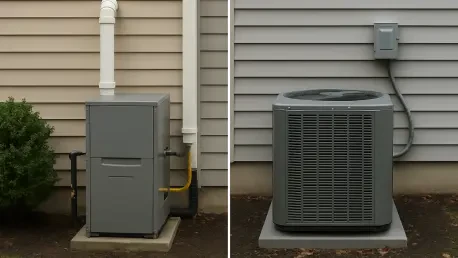
Modern heat pump technology has debunked the long-standing myth that electric heating cannot perform in cold climates. These systems are technically superior to gas furnaces because they move heat rather than generating it through combustion, often achieving efficiency ratings well over 300%. They are fully capable of maintaining comfortable indoor temperatures even in subzero environments. Furthermore, heat pumps provide a “dual-benefit” by serving as high-efficiency air conditioners during the summer months. This versatility allows a single system to handle all climate control needs, reducing the need for separate HVAC units and simplifying home maintenance.
Consolidating heating and cooling into an electrified system removes the operational redundancy of paying for a gas pipeline that remains idle for a large portion of the year. While a gas furnace only provides heat, the heat pump’s ability to provide cooling ensures that the investment is utilized year-round. This technical adaptability makes heat pumps a more resilient choice as summer temperatures rise and winter weather becomes more unpredictable. The consolidation of utilities into an all-electric model is not just an environmental strategy but a practical move toward a more streamlined and efficient household economy.
Challenges and Implementation Obstacles
The transition from gas to electric is not without its hurdles, primarily centered on the high upfront costs of equipment and installation. For many homeowners, the initial investment required to install a whole-home heat pump system can be daunting compared to the lower purchase price of a standard gas furnace. Additionally, the “split incentive” problem creates a barrier in the rental market, where landlords who do not pay the monthly utility bills have little motivation to invest in high-efficiency electric appliances. This leaves tenants trapped in a cycle of paying high fossil fuel bills while having no control over the building’s heating source.
Technical difficulties also arise in older multifamily buildings where traditional ductwork or electrical panels may need significant upgrades to support electrification. However, innovative solutions are emerging, such as the “plug-and-play” window-mounted heat pumps being piloted in New York. These units provide a pathway for residents in high-density urban environments to access clean heating and cooling without the need for major structural renovations. Regulatory reform also remains a challenge, as state commissions must pivot from approving pipeline expansions to prioritizing investments in grid modernization and energy efficiency measures.
Strategic Recommendations for Energy Transitions
The comparison of these two systems indicated that the era of cheap, stable natural gas ended as infrastructure debt and commodity volatility took hold. It was observed that electricity provided a more predictable and efficient pathway for residential heating, especially as the grid incorporated more renewable sources. Homeowners were encouraged to leverage federal rebates and state-specific incentives, such as Colorado’s tax credits and utility-led rebate programs, to offset the initial costs of switching to heat pumps. These financial tools were designed to bridge the affordability gap and ensure that the benefits of electrification reached a broader demographic.
Policymakers and utility regulators were tasked with scrutinizing the capital expenditures of gas companies to prevent further over-investment in a dying infrastructure. The implementation of integrated utility planning was identified as a critical next step to ensure that consumer dollars supported the electric grid rather than propping up obsolete pipelines. New York’s focus on window-mounted units for high-density housing provided a model for addressing the unique needs of urban renters. Ultimately, the transition was framed as an essential move toward a more resilient energy future where household budgets were no longer held hostage by the fluctuations of the global fossil fuel market.