
The achievement of the LEED for Cities Platinum certification marks a transformative milestone that distinguishes Denver as one of only eight cities worldwide to reach the highest tier of the prestigious green building rating system. This designation is not merely a symbolic accolade but a testament to a rigorous, data-driven approach that has successfully operationalized the complex intersections of environmental resilience, social equity, and urban infrastructure. By meeting the stringent requirements of the U.S. Green Building Council, the city has demonstrated that large-scale decarbonization is achievable through a combination of aggressive policy mandates and community-level engagement. The transition toward this global leadership position was fueled by a commitment to measurable outcomes, ensuring that every initiative, from building codes to transit expansions, contributed to a verifiable reduction in the municipal carbon footprint while simultaneously improving the quality of life for its diverse population.
Electrification and Energy Transformation: The Policy Backbone
At the center of this environmental evolution is the “Energize Denver” policy, a comprehensive regulatory framework designed to tackle the significant emissions generated by the built environment. Statistics indicate that energy consumption within large-scale commercial and multifamily structures has decreased by approximately 9% since 2018, a figure that becomes even more impressive when considering the rapid pace of new construction during that same period. This success was largely driven by a pivot away from legacy energy systems, such as aging steam networks, in favor of high-efficiency electric heat pumps and advanced building automation technologies. The city established a clear roadmap to install 5,000 clean energy systems across its metropolitan area by the end of 2026, creating a predictable market for green technology and incentivizing property owners to invest in long-term sustainability. This shift has proven that targeted legislation can effectively decouple economic growth from energy demand.
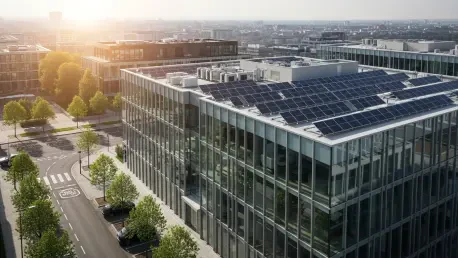
Furthermore, the integration of cutting-edge technology has fortified the city’s energy grid against the increasing frequency of extreme weather events. Denver has prioritized the deployment of microgrids equipped with solar arrays and high-capacity battery storage systems to ensure that essential services remain operational during power disruptions. These decentralized energy hubs provide a dual benefit: they reduce the overall load on the primary grid during peak demand while offering a localized source of power that enhances community resilience. By focusing on building electrification, the city has laid the groundwork for a future where structures function as active participants in the energy ecosystem rather than passive consumers. The emphasis on high-performance building standards ensures that new developments are constructed with future-proof materials, further solidifying the city’s reputation as a model for urban energy management and helping to set a high bar for other major metropolitan areas across the globe.
Resilience Through Infrastructure: Green Space and Transit
Climate resilience in Denver is addressed through a sophisticated strategy that focuses on mitigating the “urban heat island” effect while modernizing the municipal transportation network. Recognizing that rising temperatures disproportionately affect certain neighborhoods, the city accelerated its efforts to expand the urban forest canopy, resulting in the planting of 4,500 trees over the most recent twelve-month period. This biological approach is complemented by the development of 50 acres of water-efficient green infrastructure, which serves the dual purpose of managing stormwater runoff and providing natural cooling zones for residents. These investments are strategically located in areas with the highest heat vulnerability, ensuring that the benefits of environmental cooling are distributed equitably. This holistic view of infrastructure integrates natural systems into the traditional concrete landscape, creating a more porous and resilient urban environment that can better withstand the pressures of a changing climate.
Simultaneously, the city has reimagined its mobility landscape by prioritizing high-quality transit and pedestrian-friendly neighborhood designs. The expansion of Bus Rapid Transit corridors has provided a reliable and efficient alternative to private vehicle use, effectively reducing traffic congestion and associated tailpipe emissions. By investing in dedicated lanes and signal priority technology, the city has made public transportation a more competitive option for daily commuters. Furthermore, the commitment to creating walkable and bike-friendly neighborhoods has encouraged a shift in local travel habits, with a significant increase in the use of non-motorized transport for short-distance trips. These transportation initiatives are not isolated projects but are part of a broader vision to create a more connected city where residents have multiple sustainable options for navigating their environment. This integrated approach to infrastructure ensures that environmental goals are woven into the very fabric of the city’s physical growth.
Community Empowerment and Scalable Global Solutions
The human element of Denver’s sustainability journey is perhaps its most innovative feature, characterized by a focus on social equity and community-led climate action. Through the “Promotoras Climáticas” program, the city has empowered local leaders to serve as ambassadors for sustainability, bridging the gap between municipal policy and the lived experiences of residents. This grassroots approach has been instrumental in driving a 25% increase in climate-friendly behaviors, such as composting and home energy conservation, among diverse populations. By utilizing targeted marketing campaigns and culturally relevant outreach, the city has ensured that the benefits of green initiatives reach those who have historically been underserved. This focus on the “social pillar” of sustainability acknowledges that long-term success is only possible when the community is an active partner in the transition, rather than just a recipient of top-down mandates.
In reflecting on these achievements, it was clear that the path to global leadership required a synthesis of technical innovation and inclusive policy. Denver provided a blueprint for modern cities by demonstrating that rigorous measurement and community engagement could lead to tangible improvements in resilience. Moving forward, the focus must remain on scaling these solutions to address emerging challenges, particularly in the areas of affordable green housing and circular economy practices. Other municipalities can look to these established frameworks to implement decentralized energy systems and expand green infrastructure as primary tools for climate adaptation. The successful integration of energy efficiency, transit-oriented development, and social equity showed that urban growth did not have to come at the cost of the environment. By maintaining this multi-faceted approach, the city secured its position as a pioneer, proving that a sustainable future was built through consistent, local action and a commitment to collective well-being.