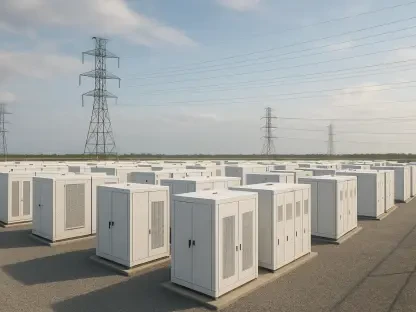

The constant hum of planetary-scale data centers now consumes a staggering percentage of the global energy supply, pushing the limits of the existing electrical infrastructure to a breaking point. While most users perceive artificial intelligence as a weightless digital assistant, the reality is deeply anchored in a high-stakes competition for physical power. The rapid proliferation of large language models and neural networks has transformed the tech landscape into an industrial race where the primary bottleneck is no longer code efficiency, but the raw wattage required to sustain massive GPU clusters.
The global energy grid faces an unprecedented challenge as the infrastructure for high-performance computing threatens to outpace the expansion of renewable energy sources. Current estimations suggest that without a fundamental shift in how electricity is generated and distributed, the carbon footprint of the digital sector could negate decades of climate progress. In this high-tension environment, the ocean is emerging as a critical resource, offering a consistent and untapped reservoir of kinetic energy that could serve as the stabilizer the tech industry desperately needs.
The Invisible Electricity Crisis Behind Every AI Query
The invisible cost of a single AI interaction involves complex calculations performed across thousands of specialized chips, each demanding a continuous flow of electricity that many local grids struggle to provide. As technology giants build larger facilities to handle the surge in data processing, they are finding that traditional power sources are either too carbon-intensive or too unreliable for the twenty-four-seven demands of modern computing. This creates a friction point where technological advancement directly competes with municipal energy needs, leading to rising costs and potential outages in technology-heavy corridors.
Moreover, the transition to a fully digital economy has accelerated the obsolescence of aging electrical infrastructures that were never designed for such concentrated loads. The industry is currently witnessing a shift where the availability of clean power determines where the next billion-dollar data center is built. Consequently, finding a renewable source that operates with high reliability and minimal land use has become the most urgent priority for hardware manufacturers and software developers alike who are looking to secure their operational future.
Why the Silicon Race Demands a New Breed of Green Power
Traditional renewable energy sources like solar and wind have provided a necessary foundation for a greener grid, yet they often fall short when faced with the relentless uptime requirements of semiconductor manufacturing. The inherent intermittency of weather-dependent power requires massive, expensive battery storage systems to bridge the gaps during calm days or dark nights. In contrast, the ocean provides a far more predictable and dense energy flow, with waves offering a rhythmic consistency that aligns more naturally with the baseline power needs of industrial-scale computing hubs.
Furthermore, the physical footprint of solar farms and wind parks presents a logistical hurdle in regions where land is scarce or prohibitively expensive. As chip-making facilities and data hubs continue to cluster near major metropolitan areas, the demand for proximity-based energy solutions has intensified. Wave energy provides a distinct advantage by utilizing the vast, unused surfaces of the world’s coastlines, allowing power generation to occur exactly where the most advanced technological infrastructure is concentrated.
Turning Tides Into Terabytes: The Mechanics of Onshore Wave Power
Innovative onshore wave technology is currently rewriting the rules of marine energy by bypassing the logistical complexities of deep-sea operations. Companies like Eco Wave Power have pioneered a method that attaches energy-harvesting floats to existing coastal structures, such as piers, breakwaters, and jetties. This design significantly reduces the cost of installation and maintenance while protecting the mechanical components from the harshest offshore conditions. By utilizing the vertical movement of the waves to drive hydraulic motors, these systems convert coastal motion into a steady stream of clean electricity.
This approach is currently being deployed in strategic locations like Taiwan’s Suao Port, a move that places renewable generation within striking distance of the world’s most sophisticated semiconductor foundries. By integrating energy production into the very fabric of port infrastructure, the technology avoids the environmental disruption associated with large-scale offshore projects. This localized generation model ensures that power loss during transmission is minimized, providing a direct and efficient link between the power of the sea and the processors that drive global intelligence.
The NVIDIA Synergy: Digital Twins and Intelligent Energy Management
The collaboration between wave energy pioneers and hardware leaders like NVIDIA represents a significant evolution toward the concept of “intelligent” power. By utilizing high-performance computing and digital twin technology, engineers are now able to create virtual replicas of coastal power stations to simulate fluctuating sea conditions in real-time. This allows for the precise calibration of the mechanical floats, ensuring they capture the maximum amount of energy regardless of weather patterns. The integration of these digital simulations has effectively turned wave energy into a data-driven resource that can be optimized with surgical precision.
Through programs like NVIDIA Inception, developers are gaining access to specialized tools that enable predictive maintenance and advanced energy management. These AI-driven layers allow power stations to anticipate storm surges or calm periods, adjusting their operations to prevent downtime and protect infrastructure. This synergy creates a feedback loop where artificial intelligence is used to refine its own power source, creating a more resilient and efficient ecosystem that can scale alongside the increasing demands of the global technology sector.
A Blueprint for Proximity-Based Energy in Global Tech Hubs
The transition toward a sea-powered digital landscape proved that the marriage of heavy industry and high technology was the only viable path forward for the tech sector. Coastal cities and data hubs adopted a decentralized model where wave energy stations provided a direct, clean feed to local infrastructure, reducing the strain on national grids. By focusing research and development in forward-thinking regions like Florida and Taiwan, the industry established a reliable framework that prioritized energy proximity. This strategic shift successfully ensured that the future of computing was no longer at odds with the preservation of the environment.
The successful implementation of these intelligent energy systems demonstrated that the quest for artificial intelligence did not have to lead to an environmental deficit. The integration of predictive AI management and onshore wave technology created a self-sustaining loop that powered the world’s most advanced facilities with the natural rhythm of the ocean. Ultimately, the adoption of marine-based renewables moved from a experimental concept to a foundational pillar of the global infrastructure, securing a path for sustainable technological growth that respected the physical limits of the planet.