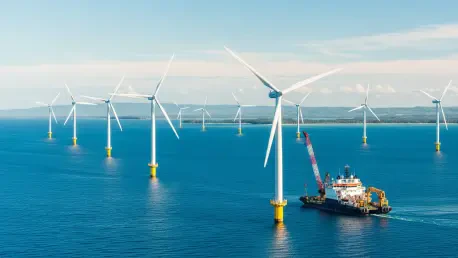

The Philippine Department of Energy has successfully pre-qualified nine distinct corporate entities to participate in the highly anticipated upcoming auction for offshore wind development rights across the archipelago. This milestone represents a decisive shift in the nation’s energy policy, moving away from a historic reliance on imported fossil fuels toward a self-sufficient, marine-based power infrastructure. By advancing these specific bidders, the government is signaling that the technical and financial hurdles that once stalled large-scale wind projects have been effectively addressed through recent regulatory reforms. The selection process focused heavily on the bidders’ previous experience with deep-water installations and their ability to navigate the complex logistical requirements of the Philippine maritime environment. As the GEAP-4 round approaches, the energy sector is watching closely to see how these multinational consortiums and domestic power giants will structure their financial bids to secure a place in the country’s first utility-scale offshore wind farms. This transition is not merely about capacity but about the fundamental redesign of the national grid to accommodate the intermittent yet powerful flows of wind energy coming from the northern and central coastal regions.
Expanding the Infrastructure: Grid and Port Readiness
Building on the momentum of these pre-qualifications, the focus has shifted toward the critical infrastructure necessary to support the arrival of heavy-lift vessels and specialized turbine components. The National Grid Corporation of the Philippines has initiated comprehensive upgrades to the transmission backbone, ensuring that high-voltage lines can handle the massive influx of electricity expected from offshore sites in the Guimaras Strait and Northern Luzon. Moreover, the modernization of domestic ports, particularly in Batangas and Iloilo, is being prioritized to serve as primary marshaling yards for the massive blades and nacelles that will soon dominate the horizon. This approach naturally leads to a more integrated maritime economy, as local shipyards are beginning to adapt their operations to support the maintenance and service vessels required for long-term project viability. The government’s decision to allow 100% foreign ownership in this sector has been a primary catalyst, attracting sophisticated engineering firms that bring proprietary floating wind technology suitable for the deep waters surrounding the islands. These advancements suggest that the Philippines is no longer just a passive observer of global energy trends but is actively shaping its own technological destiny through strategic industrial partnerships.
Strategic Implementations: The Path Toward Operation
The finalization of the bidder shortlist established a clear roadmap for the immediate deployment of offshore survey equipment and environmental monitoring systems across the designated wind zones. Stakeholders prioritized the establishment of rigorous baseline data to mitigate any potential impact on marine biodiversity and local fishing communities, ensuring a balanced approach to industrialization. It was recommended that the winning bidders foster deep collaborations with regional vocational institutions to train a specialized workforce capable of managing the complex operations of floating wind platforms. This focus on human capital ensured that the economic benefits of the energy transition extended beyond the corporate boardrooms and into the local provinces where the projects were situated. Furthermore, the integration of energy storage solutions was identified as a necessary step to stabilize the grid as these massive wind capacities came online. By addressing the technical constraints of the archipelagic geography through innovative engineering, the authorities provided a blueprint for other Southeast Asian nations to follow. These decisive actions solidified the country’s position as a regional leader in the offshore wind sector, creating a stable environment for long-term capital investment and technological advancement.