
The historical link between rising global economic prosperity and the inevitable surge in fossil fuel consumption has finally fractured as clean energy production begins to systematically displace traditional carbon-intensive sources. This monumental shift became evident as 2025 marked the first sustained decline in fossil fuel electricity generation during the modern industrial era, despite a worldwide increase in power demand of nearly three percent. While most of the planet struggled to balance growth with environmental stewardship, ten specific nations managed to generate a surplus of clean power that exceeded their rising consumption needs. This decoupling of economic activity from carbon output signifies that the global power sector may have reached its peak pollution threshold. By leveraging a diverse mix of solar, wind, and nuclear assets, these countries proved that a sustainable transition is not merely a theoretical goal but a present-day reality capable of transforming the very foundation of global infrastructure.
Strategic Shifts in the Global Energy Landscape
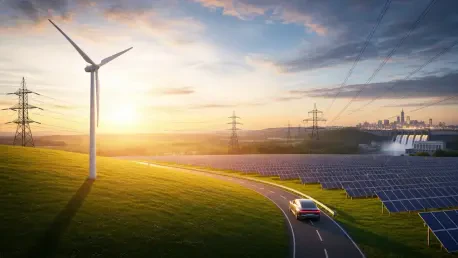
The current expansion of renewable infrastructure is no longer defined by small, incremental improvements but by a massive scaling of technology that can finally overwhelm the historical reliance on coal and natural gas. Solar power has led this global charge, witnessing a remarkable thirty percent increase in output over the recent cycle, while wind and nuclear sectors provided the reliable baseline capacity necessary for total grid stability. This collective surge produced enough clean electricity to effectively power a continent as large as Europe twice over, creating a net global reduction in carbon emissions that reached into the millions of tons. By prioritizing high-capacity installations, the international energy community has demonstrated that a clean surplus is achievable when policy aligns with rapid technological deployment. This infrastructure now serves as a primary defense against the resurgence of dirty fuels, ensuring that new demand is met with sustainable alternatives rather than defaulting to fossil fuels.
China’s Role in Solar Expansion
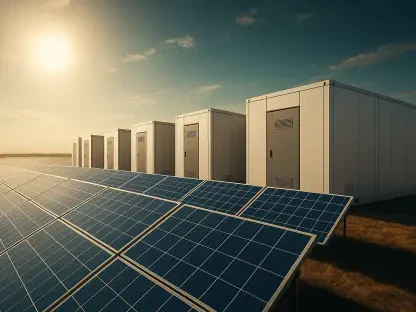
China has emerged as the primary architect of this transition, proving that the most energy-intensive economies can successfully pivot toward sustainable growth without compromising industrial output. China’s clean energy expansion was particularly significant, as its generation of carbon-free power comfortably outpaced its massive internal demand, largely due to a forty percent spike in solar output. This achievement allowed the nation to stabilize its grid while simultaneously retiring older, less efficient thermal plants that had previously defined its industrial landscape. This transition was supported by the deployment of massive battery storage complexes that mitigated the variability of solar power. By aligning national industrial policy with renewable targets, China has set a pace that few other nations can match. The sheer volume of new capacity added to the grid ensures that fossil fuels remain a declining portion of the total energy mix, fundamentally altering the country’s long-term environmental trajectory.
India’s Transition Away From Coal
India has followed a similar trajectory to its neighbors, utilizing an aggressive solar expansion strategy to reduce its structural reliance on coal by nearly three percent, even as its total electricity requirements continued a steady climb. This success was driven by a combination of large-scale solar parks and favorable government incentives that lowered the cost of capital for green projects. By integrating these new sources into its national grid, India managed to keep pace with the massive energy needs of its growing population while simultaneously curbing its carbon intensity. This achievement demonstrates that emerging economies can balance the twin goals of development and sustainability when they prioritize long-term infrastructure over short-term fossil fuel gains. The Indian model now serves as a practical blueprint for other nations in the Global South, proving that a shift toward a greener economy is not only environmentally sound but also essential for achieving energy independence and economic resilience in an era of fluctuating fuel prices.
Regional Success Through Resource Optimization
In South America, nations like Colombia and Ecuador have utilized their unique geographic advantages to achieve some of the most impressive emission reductions recorded in the current decade. Colombia specifically saw clean energy growth that was nearly six times higher than its actual increase in demand, a disparity that led to a staggering forty percent drop in power sector emissions. This was achieved through a strategic combination of hydroelectric optimization and new solar projects that effectively marginalized fossil fuel generators. Ecuador mirrored this success by leaning heavily into its hydroelectric potential, allowing the nation to satisfy a double-digit spike in energy demand while simultaneously cutting back on carbon-heavy generation. These regional successes underscore the importance of tailoring energy transitions to local resources, demonstrating that even smaller economies can lead the way in decarbonization when they leverage their natural strengths to replace outdated power sources and improve energy security.
Progress Within the Asia-Pacific Region
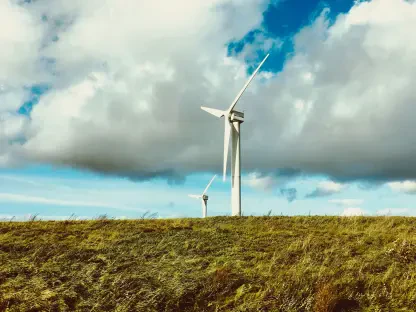
The Asia-Pacific region further showcases the diversity of strategies used for fossil fuel displacement, with Australia and Vietnam making significant strides in modernizing their respective energy grids. Australia has aggressively leveraged its vast wind power resources to replace aging coal infrastructure, resulting in a measurable and sustained drop in national emissions despite a highly competitive energy market. This transition was supported by grid-scale storage solutions that ensured reliability even during periods of low generation. Meanwhile, Vietnam utilized a surge in its hydroelectric capacity to outpace the energy requirements of its rapidly developing industrial base, proving that emerging manufacturing hubs can expand their economies without a corresponding increase in their carbon footprint. These examples illustrate that the path to a cleaner grid is not uniform, but requires a pragmatic approach that balances economic growth with the urgent need for environmental sustainability and long-term grid resilience.
Future Standards for Global Grid Management
Beyond wind and solar, countries like Japan and Belarus demonstrated the importance of nuclear energy, while Hungary emerged as a European leader in solar adoption to slash coal use by half. These successful implementations necessitated a fundamental shift in how power grids were managed and regulated globally. Leaders recognized that adding renewable capacity was only half of the solution; they also invested in advanced storage systems to handle the natural variability of clean resources. Moving forward, the adoption of cross-border energy sharing agreements and the expansion of smart-grid technologies emerged as essential steps for maintaining this momentum. By prioritizing long-term climate stability over the convenience of existing fossil fuel systems, these countries established a new standard for international power management. Their actions proved that decoupling economic growth from carbon emissions was achievable through persistent innovation and strategic policy alignment to secure a sustainable future.