
Project developers are currently navigating a complex minefield of Foreign Entity of Concern rules and anti-dumping duties to maintain their installation timelines. This administrative burden has not slowed the pace of deployment as much as analysts initially predicted, primarily due to the robust framework of the Inflation Reduction Act. The market has shifted from a reliance on cheap, overseas hardware to a more nuanced model that prizes long-term certainty and domestic content bonuses. By securing local supply agreements, utility-scale solar firms are insulating themselves against the volatility of international trade relations. This resilience is further bolstered by a massive influx of private capital looking for stable, tax-advantaged infrastructure investments. As the industry matures during 2026 and 2027, the focus remains on building a self-sustaining ecosystem that can weather geopolitical shifts and maintain steady growth.
Domestic Manufacturing: Solar Production Capacity
The rapid expansion of the solar manufacturing base serves as a cornerstone of this newfound market stability. Large-scale facilities, such as the integrated supply chain hubs in Georgia and Ohio, are now producing everything from silicon ingots to finished modules at a scale previously unseen in North America. This localized production capacity effectively bypasses the logistical bottlenecks and tariff risks associated with Southeast Asian imports. Furthermore, the development of high-efficiency N-type TOPCon and heterojunction technologies within domestic borders ensures that the American market remains at the cutting edge of performance. These technological advancements are not merely academic; they are being deployed in massive multi-gigawatt arrays across the Southwest. By reducing the distance between the factory floor and the project site, developers are also slashing their carbon footprint and logistical costs while improving overall project efficiency.
Domestic Manufacturing: Wind Infrastructure Expansion
Wind energy infrastructure is undergoing a similar metamorphosis, with a specific emphasis on the revitalization of American heavy industry. The offshore wind sector, despite initial headwinds regarding inflation and supply chain constraints, has stabilized through strategic partnerships between state governments and international developers. New vessel construction in Gulf Coast shipyards and the conversion of traditional coal ports into renewable energy hubs illustrate a structural shift in the economy. Onshore wind remains a dominant force, with repowering projects breathing new life into aging fleets by replacing older turbines with more powerful, data-driven nacelles. These upgrades significantly increase the capacity factor of existing sites without the need for extensive new land acquisition. The integration of advanced composite materials in blade manufacturing is also extending the operational lifespan of these assets, providing a much higher long-term return.
Strategic Grid Integration: Storage and Modernization
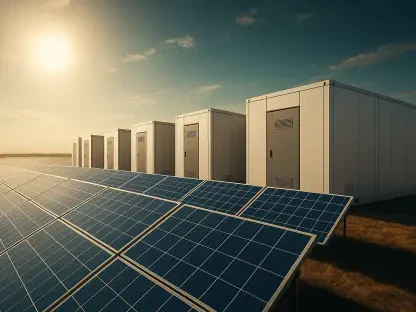
Resilience in the power sector is increasingly defined by the ability to store and dispatch energy on demand, making battery energy storage systems a vital component of modern infrastructure. The deployment of large-scale lithium-ion and iron-flow batteries has accelerated as grid operators seek to mitigate the intermittency of solar and wind resources. These systems provide essential services such as frequency regulation and peak shaving, which are critical for maintaining grid reliability during extreme weather events. The transition toward non-lithium chemistries is also gaining momentum, as companies look to avoid the supply constraints of critical minerals by utilizing more abundant materials like iron and zinc. This diversification of the storage portfolio ensures that the energy transition is not hindered by the scarcity of any single commodity. As we look toward the 2027-2028 window, the integration of long-duration energy storage will become the standard.
Strategic Grid Integration: Future Actionable Steps
The evolution of the American renewable market demonstrated that adaptability was the most significant driver of success during periods of rapid change. Developers who successfully pivoted toward domestic sourcing and integrated storage solutions found themselves in a much stronger position than those who waited for a return to historical norms. It became clear that the integration of policy awareness into the core business strategy was no longer optional but a prerequisite for survival. To maintain this momentum, stakeholders prioritized the diversification of their technology portfolios to include emerging solutions like geothermal and green hydrogen. Investing in localized supply chains and fostering deep relationships with regional grid operators provided a template for navigating future regulatory shifts. The most effective strategy involved streamlining the interconnection process and expanding the skilled labor pool to support the next wave of major infrastructure projects.