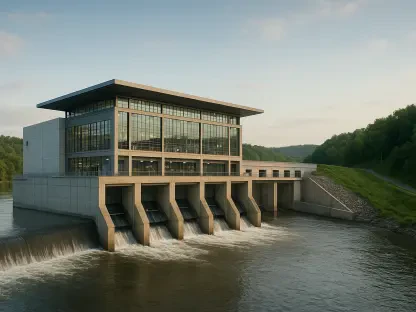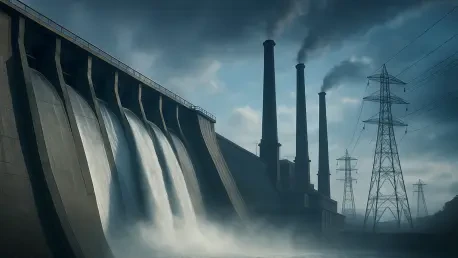

Falling water levels in the world’s largest man-made reservoir have exposed the systemic risks of relying on a single, climate-sensitive renewable energy source for national needs. For decades, Zimbabwe stood as a regional beacon of sustainability, anchoring its national grid with the massive hydroelectric output of the Kariba South Bank Station. This early adoption of renewable utility management positioned the nation as a leader in clean energy long before decarbonization became a global mandate. However, this historic advantage is rapidly eroding as the country faces a dire energy crossroads. Driven by climate-induced vulnerabilities and a lack of timely diversification, the administration is now navigating a tense transition where ambitious green policies are being sidelined by a pragmatic, albeit environmentally regressive, pivot back to fossil fuels. The centerpiece of the energy identity, the Kariba Dam, has transformed from a reliable clean energy behemoth into a symbol of climate fragility.
The Resurgence of Thermal Power
Part 1: Thermal Expansion and Grid Stability
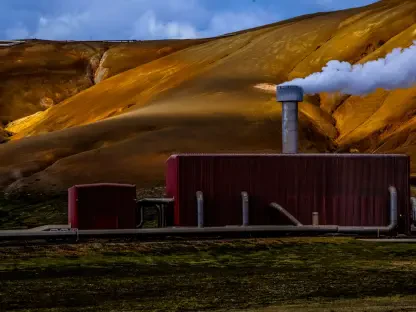
In a desperate bid to stabilize the national grid, the Zimbabwean government has aggressively reinvested in coal-fired infrastructure, signaling a sharp departure from its climate commitments. The Hwange Power Station has become the focal point of this fossil fuel renaissance, bolstered by the $1.5 billion commissioning of new units and nearly half a billion dollars earmarked for refurbishing obsolete machinery. While these investments have successfully mitigated the frequency of load-shedding, they have effectively installed coal as the primary driver of the national grid, supplying nearly two-thirds of the country’s electricity and placing the broader energy transition in a state of uncertainty. This massive influx of capital into Hwange represents a calculated move to prioritize industrial survival over environmental idealism. By focusing on thermal expansion, officials have chosen the most immediate path to grid stability, even if it means reviving heavy industry’s reliance on carbon and long-term emission costs.
Part 2: Locking in Carbon Dependence
This shift toward dirty energy is viewed by many critics as a short-term fix that ignores the long-term environmental consequences of reviving condemned technologies. By pouring massive capital into thermal projects, the state is essentially locking the country into a carbon-intensive future for the next several decades. This coal takeover provides a sense of energy security today but does so at the cost of abandoning the green growth trajectories that were supposed to define modern development. Consequently, the nation finds itself moving backward on the global stage of climate action to satisfy immediate industrial and domestic demand. The ecological footprint of this resurgence extends beyond atmospheric emissions, affecting local water sources and air quality near the Hwange mining complex. As the global community pushes for a net-zero future, Zimbabwe’s current trajectory creates a widening gap between its domestic energy reality and the expectations of international climate accords and funding partners.
Policy Implementation and Financial Hurdles
The Reality: Stalled Renewable Targets
The official energy strategy, outlined in the updated National Renewable Energy Policy, remains largely a paper exercise rather than a physical reality. The ambitious goal of adding 1,100 MW of clean energy to the grid from 2026 to 2028 has seen dismal progress, with only about 10% of that target achieved to date. This discrepancy suggests a lack of genuine commitment to the phase-out of fossil fuels, as the government continues to favor the low-hanging fruit of coal over the complex logistical requirements of scaling solar, wind, and small-scale hydro projects. The lag in implementation is not merely a matter of political will but also reflects the immense difficulty of integrating intermittent renewables into a grid that was originally designed for large-scale, baseload power. Without significant upgrades to the transmission and distribution networks, even the most successful solar farms would struggle to deliver power to the consumers who need it most during peak afternoon and evening periods.
The Barrier: Financial Risk and Liquidity
The path to decarbonization is further obstructed by a trust deficit among international lenders and private developers. The national utility, Zesa, has struggled with liquidity and a history of delayed payments to independent power producers, making the sector a risky prospect for foreign investment. Coupled with high currency volatility, these structural barriers prevent the mobilization of the billions of dollars required to modernize the grid. While new policies aim to de-risk projects and liberalize the market, the state has yet to prove it can provide the stable regulatory environment necessary to attract significant private-sector participation. Investors remain wary of entering long-term power purchase agreements in an economy where inflation and currency fluctuations can wipe out profits overnight. Bridging this financial divide requires more than just legislative changes; it demands a fundamental restructuring of how the utility operates and interacts with global capital markets.
The Future of the Energy Mix
The Potential: Untapped Solar Resources
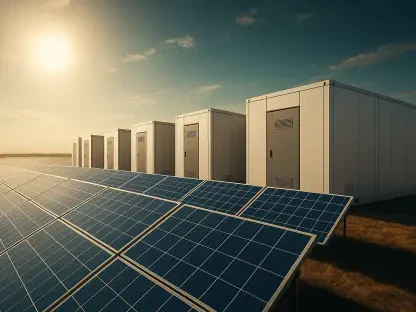
Despite the current focus on coal, energy experts argue that Zimbabwe’s geographical advantages make a transition to solar energy an obvious solution. With over 300 days of sunshine annually, the country possesses immense untapped solar potential that remains the most cost-effective and reliable alternative to failing hydro and aging thermal plants. The private sector has already recognized this, with the vast majority of new captive power projects shifting toward solar to bypass the unreliability of the national grid. This grassroots shift demonstrates that the technology is ready, even if the state’s infrastructure is not. Large mining operations and commercial farms are increasingly installing their own solar arrays to ensure continuity of operations, effectively creating a decentralized energy landscape that operates independently of the central authority. This trend suggests that while the national grid remains tethered to coal, the broader economy is slowly decoupling from it.
The Solution: Creating a Diversified Network
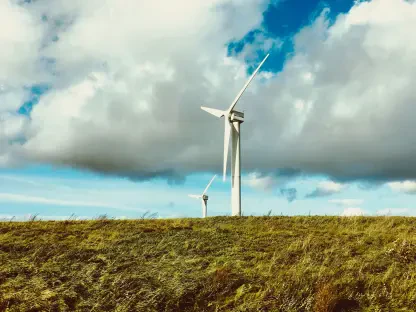
To achieve true energy resilience, Zimbabwe had to move beyond the binary choice between hydro and coal. A modern, climate-resistant grid required the integration of a diverse portfolio, including wind, biofuels, and decentralized small-scale hydroelectricity. By diversifying its energy sources, the nation mitigated the risks posed by a changing climate and reduced its dependence on volatile fossil fuels. Transitioning from rhetoric to practical implementation served as the only way for the country to reclaim its status as a clean-energy leader and ensure long-term stability for both its economy and the environment. Future success depended on establishing robust battery storage systems to manage the intermittency of solar and wind power. Government officials recognized that providing sovereign guarantees to independent power producers was the critical step needed to unlock stagnant projects. Ultimately, the pivot back to coal acted as a temporary bridge rather than a destination, allowing the time necessary to build a truly green future.