
Introduction
For nearly twenty years, the city of Seattle relied on a steady partnership for its waste processing, yet shifting global markets and rising contamination rates have now forced a significant strategic pivot toward more advanced technological solutions. This transition is not merely a change in vendors but a fundamental rethinking of how urban centers manage their discarded materials in an era of fluctuating commodity values. By moving away from older processing models, the city seeks to ensure that what residents put in their blue bins actually finds a second life in a circular economy.
The objective of this exploration is to answer pressing questions about the new contract with WM and how artificial intelligence will address existing inefficiencies. Readers can expect to learn about the financial framework of this agreement and the ways in which logistical redundancy aims to restore public trust. By examining these shifts, the scope of this discussion covers the intersection of municipal policy, environmental stewardship, and industrial innovation.
Key Questions or Key Topics Section
Why Is Seattle Shifting Its Long-Standing Recycling Partnership?
The partnership with Rabanco, a subsidiary of Republic Services, served the city well since 2007, but the recycling landscape has changed drastically over the last two decades. Contamination—non-recyclable items mixed with good materials—became a persistent hurdle that traditional facilities struggled to overcome with old machinery. As commodity buyers tightened their quality requirements, the city faced the risk of having large batches of collected material rejected and sent to landfills.
Seattle Public Utilities recognized that maintaining the status quo would lead to diminishing returns and wasted resources in the current economic climate. The new agreement with WM, which officially began its preparation phase recently, prioritizes modernizing the entire pipeline to meet strict purity standards. This shift underscores a proactive approach where the quality of the output takes precedence over the sheer volume of material collected from homes and businesses.
How Does Advanced Technology Improve the Sorting Process?
Traditional sorting often relies heavily on manual labor and basic mechanical screens, which frequently miss small pieces of plastic or fail to distinguish between different grades of paper. These errors result in bales of recycled material that are too dirty to sell, undermining the efforts of residents who diligently sort their waste at the curb. When sorting facilities lack precision, the economic and environmental value of the recycling stream drops significantly.
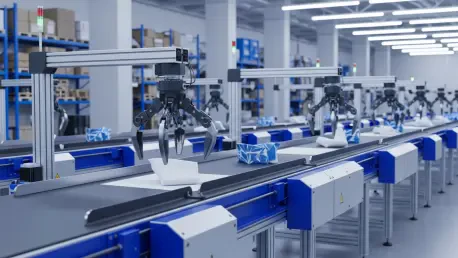
To resolve these issues, WM is deploying multi-million-dollar upgrades at its facilities in Woodinville and Tacoma, featuring high-speed AI-assisted sorting systems. These machines use optical sensors to identify various materials in milliseconds, allowing for a much higher degree of precision than human eyes could ever achieve. By catching contaminants early in the process, the system produces a cleaner product that holds much higher value in both regional and international markets.
What Are the Financial and Logistical Implications of the New Contract?
Managing municipal waste is an expensive endeavor, especially when the revenue from selling recycled glass, paper, and plastic remains volatile. The city anticipates a significant gap in commodity revenue through 2030, making it essential to find a partner that can maximize the value of every ton. Without a more efficient system, the cost of disposing of contaminated loads would continue to drain the municipal budget.
The five-year contract involves higher processing fees, but the city plans to offset these expenses by leveraging the higher sale prices of clean materials. Furthermore, utilizing two distinct facilities provides a safety net that the previous single-site arrangement lacked. If one location experiences a mechanical breakdown or operational challenge, trucks can be rerouted to the other facility, ensuring that recycling services remain consistent and reliable for the entire community.
Summary or Recap
The transition to WM represents a calculated move to stabilize the recycling program through technological integration and market-driven strategies. By investing in AI-driven sorting, the city addresses the core problem of contamination that has plagued the industry for years. This new framework prioritizes the creation of high-grade commodities that are more attractive to domestic and international buyers, even during periods of market volatility.
Moreover, the agreement emphasizes transparency, giving the public a clearer view of where their recyclables eventually end up. The inclusion of logistical redundancy through multiple processing sites ensures that the system is resilient against mechanical failures or regional disruptions. This comprehensive approach positions the city as a leader in urban sustainability by aligning its operational goals with modern environmental and economic realities.
Conclusion or Final Thoughts
Decision-makers recognized that the long-term health of the environment required a bold departure from traditional waste management practices. By formalizing this agreement, officials allowed for a smooth reconfiguration of regional infrastructure that supported broader sustainability goals. The focus moved beyond simple collection toward a sophisticated manufacturing mindset where waste was treated as a valuable raw material rather than a burden.
As other municipalities observed this progress, the importance of investing in regional market development became increasingly clear. This shift suggested that the future of recycling depended less on the actions of individuals at the bin and more on the industrial capacity to process materials at scale. Ultimately, the commitment to high-tech sorting demonstrated that economic stability and environmental integrity could work in tandem when supported by the right innovation.