
Run-of-river facilities across Luzon and Mindanao feel the immediate impact of river level declines, unlike large dams that can sustain generation for several months using reserve water. The Philippine energy sector is navigating a period of heightened vulnerability as the onset of a “Super El Niño” threatens the stability of the national power grid. Hydropower currently accounts for roughly 12% of the country’s installed capacity, making it a vital but weather-dependent component of the renewable energy mix. As prolonged dry spells deplete reservoir levels, the nation faces a looming crisis where energy security and price stability are directly tied to the unpredictable patterns of tropical rainfall. While the drought severely hampers active power generation, it offers a unique window for infrastructure reinforcement. Developers are capitalizing on low water levels to perform essential repairs that are simply impossible during the rainy season’s peak.
Operational Decline and Infrastructure Maintenance
The Technical Challenges: Diminishing Flow
To combat the drastic drop in operational efficiency, hydropower operators have shifted their focus to aggressive preventive maintenance. By clearing silt and servicing machinery during the dry season, plants ensure they are primed for maximum flow when the weather breaks. Furthermore, the absence of heavy storms has accelerated the construction of new projects, allowing companies to fast-track capacity expansion even as existing plants see their efficiency drop to less than half of their rated output. This strategic window allows engineers to access submerged components of weirs and intake structures that are normally unreachable. By reinforcing these critical points now, the industry aims to mitigate future losses when the hydrological cycle eventually returns to normal. These interventions are not merely cosmetic; they are vital survival tactics designed to ensure that once the rains return, every drop of water is converted into electricity with the highest possible level of mechanical efficiency across the system.
Strategic Maintenance: Reinforcing the Grid
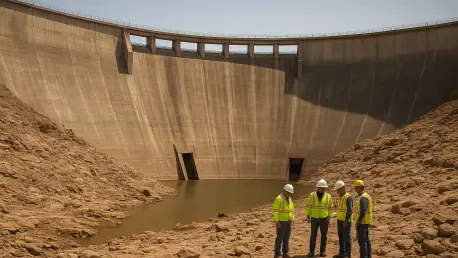
The technical reality remains grim as the dry spell intensifies across the archipelago’s main power hubs. At major sites like the Pantabangan Dam, output has plummeted from 120 MW to a staggering 20 MW. This precipitous decline illustrates a punishing correlation where every meter of lost water depth equates to a significant loss in megawatts, pushing some facilities to the brink of total shutdown. Operators must constantly recalibrate their turbines to handle the lower head pressure, which increases the risk of cavitation and long-term equipment damage. The sheer scale of the reduction forces the National Grid Corporation to seek alternative supply sources, often resulting in higher costs for consumers as more expensive fossil fuel plants are dispatched to cover the shortfall. As the water line recedes, the physical limitations of these aging structures become more apparent, highlighting the urgent need for modernized sensing equipment that can better predict inflow patterns during such extreme and prolonged atmospheric events.
Reservoir Dynamics and Resource Competition
The Lag Effect: Competing Water Interests
The impact of El Niño is often obscured by a “lag effect” in large reservoirs, which can initially sustain power generation using water stored from previous seasons. This creates a delayed crisis, as the heavy drawdowns required for both electricity and rice field irrigation leave reservoirs unable to recharge. During the initial months of a drought, the public may not notice any change in power availability, leading to a false sense of security regarding the country’s energy reserves. However, beneath the surface, the “active storage” is being depleted at an unsustainable rate. This depletion is exacerbated by the lack of significant inflow from smaller tributaries, which usually provide a steady baseline of replenishment. By the time the visual markers of a drought—such as exposed lake beds—become obvious to the casual observer, the ability of the dam to provide peak load support has already been compromised. This lag makes it difficult for policymakers to trigger conservation measures until the situation is already critical.
Resource Scarcity: The Agriculture Trade-Off
As various sectors compete for a shrinking supply of water, the energy grid remains vulnerable to “yellow alerts,” signaling that the margin between supply and demand has reached a dangerously thin level. The prioritization of irrigation for food security often comes at the direct expense of hydroelectric output, forcing grid operators to make difficult decisions about load shedding. In agricultural regions, the demand for water to save rice crops is absolute, yet the same water is needed to keep the lights on in urban centers. This tension highlights a structural vulnerability in the nation’s resource management framework. Without a centralized and digitized water allocation system, the tug-of-war between the National Irrigation Administration and power producers will likely intensify. The current crisis has exposed the need for more sophisticated hydrological modeling that can balance these competing interests in real-time. Failure to resolve these conflicts could lead to a scenario where both the food supply and the power grid suffer simultaneous failures.
National Grid Stability and Regional Strain
Addressing Shortages: The Archipelago Factor
Grid stability is particularly fragile in regions like Mindanao, where aging infrastructure in the Agus-Pulangi complex struggles to meet demand despite its high theoretical capacity. National authorities are racing to complete maintenance cycles before the climatic peak, yet the outlook remains daunting. These plants were designed for a climate that was far more predictable than the one experienced in 2026. Siltation and mechanical wear have already derated these units, and the current drought only serves to amplify these pre-existing weaknesses. The Agus units, which are central to the Mindanao grid, require constant monitoring to prevent total system collapse when water levels fall below the critical minimum operating level. While some upgrades have been implemented in recent months, the pace of modernization has not kept up with the accelerating rate of climate change. The regional dependence on these specific water sources means that any mechanical failure during the drought could trigger widespread outages across the island.
Economic Resilience: Managing Power Disruptions
With the Luzon and Mindanao grids heavily reliant on these water-driven sources, any further “derating” of plants due to low pressure could lead to widespread rolling blackouts and economic disruption. The financial consequences of these power shortages are felt most acutely by small and medium enterprises that lack the capital to invest in expensive backup generators. When the grid is forced to rely on “must-run” diesel plants to fill the gap left by dormant hydro facilities, the generation charge on consumer bills inevitably spikes. This economic strain is compounded by the reduced agricultural productivity caused by the same drought conditions. The intersection of high energy costs and food price inflation creates a volatile economic environment that challenges the nation’s growth targets. Government interventions, such as the implementation of the Interruptible Load Program, are being utilized to manage the strain, but these are short-term fixes for a systemic problem. Sustaining industrial growth requires a more stable energy baseline.
Long-Term Climate Strategy
Navigating the Forecast: Atmospheric Drying
Looking ahead, the challenge for the Philippine energy sector is not a temporary hurdle but a multi-year struggle against atmospheric drying. Experts anticipate that current conditions will intensify into a more severe cycle lasting through 2028, forcing a permanent shift in how hydropower is managed. For developers and policymakers, surviving this era will require a sophisticated balance of short-term grid stabilization and long-term water management strategies. The shift toward more modular and resilient hydro designs, such as pumped storage, is becoming a priority for new investments. These systems act as giant batteries, allowing the grid to store energy when surplus is available and release it during peak demand, regardless of immediate river flow. However, transitioning the existing fleet to such a model is a massive capital undertaking that will take years to complete. In the interim, the industry must rely on improved weather forecasting and satellite data to manage the existing reservoirs with surgical precision.
Future Readiness: Integrated Water Management
The strategic pivot toward integrated water resource management became the cornerstone of the national energy security policy during this period. Authorities recognized that the old model of treating hydropower as a standalone asset was no longer viable under the pressure of a Super El Niño. They implemented new protocols that prioritized the hybridization of hydro sites with floating solar panels, which reduced evaporation while providing an alternative power source during daylight hours. This dual-use approach offered a practical solution to the problem of declining water levels and helped stabilize the grid during the most intense heatwaves. Furthermore, the collaboration between the private sector and government agencies led to the development of more robust disaster-resilient infrastructure. These lessons provided a roadmap for future renewable energy projects, emphasizing that flexibility and multi-sectoral planning are essential for survival. By focusing on actionable data, the country moved toward a resilient future.