
Introduction
The legal collision between a massive multi-billion-dollar utility agreement and the First Amendment right to report on public infrastructure reveals how thin the line is between corporate secrecy and civic transparency. When Entergy Arkansas moved to block news organizations from detailing its confidential arrangements with a technology giant, the maneuver ignited a fierce debate over whether a regulated monopoly can shield its financial negotiations from the very consumers who fund its operations. This clash is not merely a regional dispute over a data center but a pivotal test case for the constitutional protection against prior restraint, especially when trade secrets are used as a justification for silence.
The primary objective of this exploration is to dissect the complexities of the legal battle between Entergy Arkansas and local news outlets. By examining the judicial reasoning that prioritized press freedom over corporate nondisclosure, readers can better understand how public interest is defined in the context of utility regulation. The discussion provides a clear perspective on why information obtained through government error remains protected under the law, ensuring that the public remains informed about significant economic developments that shape their daily expenses.
The scope of this content covers the specific details of the $4 billion data center project in West Memphis, the clerical error that led to the disclosure of sensitive documents, and the resulting federal court ruling. Readers can expect to learn about the financial commitments made by corporate entities like Google toward the energy grid and the potential liabilities journalists face when publishing trade secrets. This analysis serves as a comprehensive guide to the intersection of corporate law, government transparency, and the fundamental rights of a free press in an increasingly data-driven economy.
Key Questions or Key Topics Section
What Triggered the Legal Battle Over the Google Data Center Deal?
The conflict began when Entergy Arkansas filed a federal lawsuit seeking a temporary restraining order against the Arkansas Democrat-Gazette and other local news organizations. The utility company aimed to prevent the publication of financial specifics regarding a massive project involving a Google data center in West Memphis. Entergy argued that the disclosure of these details would compromise its competitive standing and reveal proprietary trade secrets that were meant to be shielded under a protective order. This aggressive legal stance was designed to suppress news coverage before it could reach the public eye, a move historically viewed with skepticism by American courts.
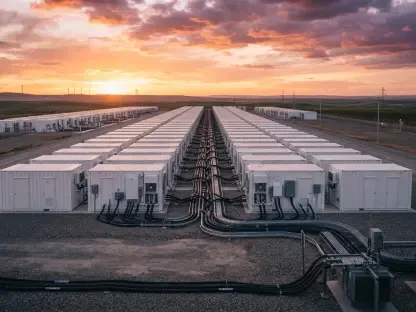
At the heart of the project is the development of a $4 billion data center facility, which represents one of the most significant industrial investments in the state. To power this operation, the agreement included the construction of the Cypress Solar facility, a 600-megawatt plant coupled with a massive battery storage system. Because the scale of this project has direct implications for the regional energy grid and future utility rates, the media viewed the details as a matter of urgent public concern. The legal battle essentially became a fight over whether the financial mechanics of such a large-scale project should be kept behind closed doors or opened to public scrutiny.
How Did Confidential Utility Documents Reach the Public Domain?
The path from the boardroom to the newsroom did not involve an anonymous whistleblower or a covert leak, but rather a simple clerical error within a state agency. A resident of Little Rock filed a standard public records request with the Arkansas Public Service Commission to learn more about the project. In a surprising turn of events, the commission inadvertently provided the requester with nonpublic documents that were supposed to be under seal. These filings contained the specific financial terms, infrastructure costs, and special rate contracts that Entergy had fought to keep confidential.
The recipient of the documents, unaware of their sensitive status, shared the findings with journalists at the Arkansas Democrat-Gazette and the Arkansas Times. This sequence is legally significant because the documents were obtained through a legitimate, government-sanctioned process. The court noted that because the information was released by the state, even by mistake, the press had a stronger constitutional footing to publish it. This scenario highlights the vulnerabilities in government data management and the rapid speed at which accidentally released information can enter the public discourse.
Why Did the Court Rule Against Preventing the News From Publishing?
U.S. District Judge Lee Rudofsky denied the request for a temporary restraining order, citing the heavy constitutional burden against prior restraint. In his ruling, the judge emphasized that blocking the press from reporting on information it has already obtained is the very definition of censorship. The court found that the government and private corporations cannot easily override the First Amendment simply because a mistake was made during a public records request. By refusing to grant the order, the judiciary reaffirmed that the press serves as a vital check on powerful entities, especially regulated utilities.
Furthermore, the judge ruled that the public interest in this case was exceptionally high because of the relationship between utility deals and consumer costs. Since Entergy is a regulated monopoly, its infrastructure investments and large-scale contracts ultimately influence the monthly bills of average citizens. The court reasoned that when a private deal has the potential to alter the economic landscape for millions, the “trade secret” defense is weakened. The ruling suggests that transparency is paramount when a corporation’s private negotiations intersect with the public’s right to know about the stability and cost of their energy supply.
What Are the Financial Implications of the Entergy and Google Agreement?
The disclosed documents revealed that the project, initially shrouded in the code name “Altitude Capital LLC,” involves a staggering $1.6 billion investment in solar and battery infrastructure. Google has committed to an upfront payment of approximately $526 million toward the construction of the Cypress Solar project near Pine Bluff. This massive solar facility is designed to generate 600 megawatts of power, supported by a 350-megawatt battery system to ensure reliability. These figures demonstrate the immense capital required to support modern data centers and the role that private technology firms play in funding the transition to renewable energy.
Beyond the initial construction costs, the 20-year agreement is projected to provide over $1.1 billion in net benefits to the state’s energy system. Proponents of the deal argue that Google’s commitment to paying 100% of its infrastructure costs will actually lower the overall system expenses for other utility customers. By fully funding their operational footprint, the tech company aims to demonstrate that large-scale data centers can be an economic boon rather than a burden on local taxpayers. However, without the disclosure of these financial details, the public would have had no way to verify these claims or understand the true scope of the financial arrangement.
Can News Organizations Face Legal Consequences After Publishing Protected Data?
While the court refused to stop the publication of the news, the judge issued a stern warning that the journalists were “proceeding at their own risk.” A denial of a temporary restraining order does not grant the press total immunity from future litigation; it merely prevents the court from engaging in pre-emptive censorship. This creates a “publish at your own peril” situation where the news organization could still be held liable for damages in a subsequent trial if it is determined that trade secret laws were indeed violated. The legal victory for the press was procedural, not necessarily a final exoneration regarding the content of the disclosures.
As the case moves toward a hearing for a permanent injunction, the focus will likely shift from First Amendment theory to the technicalities of trade secret protections. Entergy may still seek financial compensation or other remedies if it can prove that the disclosure caused quantifiable harm to its business negotiations. This ongoing legal threat underscores the tension between investigative journalism and corporate law. Newsrooms must frequently weigh the societal value of a story against the potential for high-stakes litigation that could last for years after the initial headlines have faded.
Summary or Recap
The dispute between Entergy Arkansas and the press highlights the complex relationship between corporate proprietary interests and the public’s right to information. Currently, the legal system prioritizes the prohibition of prior restraint, ensuring that news organizations can report on documents obtained through official government channels, even when those documents were released in error. This precedent is vital for maintaining transparency in sectors like the utility industry, where large-scale private contracts directly impact the costs and infrastructure used by the general public.
The core takeaways involve the significant financial scale of the Google data center deal, including the $1.6 billion investment in solar power and the substantial upfront contributions from the tech giant. While the press has successfully defended its right to publish, the threat of future liability for trade secret violations remains an active concern. This case serves as a reminder that the flow of information in a democratic society is often the result of a delicate balance between judicial oversight, government accountability, and the persistence of independent media.
Conclusion or Final Thoughts
The resolution of the initial legal challenge provided a temporary but significant victory for the principle of a free and unhindered press. As the proceedings shifted toward a more detailed examination of trade secret laws, the case highlighted the evolving nature of transparency in an age of massive corporate infrastructure projects. The court’s refusal to silence the media ensured that the economic details of the data center agreement were available for public debate, allowing citizens to form their own conclusions about the benefits and risks of the deal.
Looking forward, those interested in the intersection of law and energy policy should monitor the upcoming hearings for a permanent injunction to see how the court balances financial harm against civic awareness. It was clear that the mistake made by the Public Service Commission changed the trajectory of the project’s public reception. For residents and utility customers, the next steps involved staying informed about how these large-scale solar investments would eventually manifest in their monthly statements and the broader economic stability of the region. This legal battle demonstrated that when billions of dollars and public resources are at stake, the demand for clarity will almost always outweigh the desire for corporate confidentiality.