
Twenty-five local artists recently toured specialized production facilities to witness how discarded materials serve as foundational assets for innovation. This initiative highlights a broader shift within the kingdom as the Eswatini International Trade Fair transitions into a premier hub for sustainable industrial practices. By integrating creative sectors with heavy industry, the event demonstrates that economic growth does not have to come at the expense of environmental integrity. Historically, industrial waste was viewed as a costly liability, but the current paradigm treats these remnants as high-value inputs for the next production cycle. Attendees are now seeing firsthand how textile scraps, metallic shavings, and organic byproducts are processed through state-of-the-art machinery to create consumer-ready goods. This convergence of art and engineering serves as a powerful catalyst for change, proving that a green economy is not a distant goal but a present reality that is reshaping the local workforce.
Sustainable Industrial Evolution: Circular Economic Frameworks
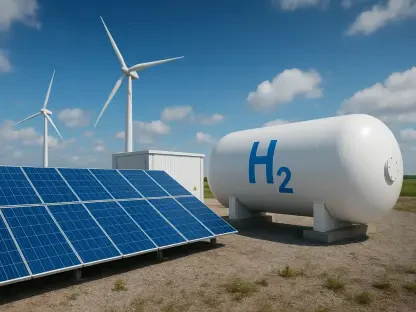
Advanced chemical recycling technologies are at the forefront of this year’s exhibits, particularly those focusing on complex polymer breakdown and reconstitution. Unlike traditional mechanical recycling, which often degrades material quality, these new chemical processes allow local manufacturers to return plastics to their original monomer state, ensuring that the final products maintain peak durability. Several prominent firms have introduced modular sorting units that utilize high-speed optical sensors and artificial intelligence to categorize materials with ninety-eight percent accuracy. These systems significantly reduce the labor-intensive nature of waste management, allowing smaller enterprises to compete on a global scale. Furthermore, the integration of solar-thermal energy into these processing plants ensures that the carbon footprint of recycling remains minimal. This technological leap reflects a commitment to domestic self-sufficiency, reducing the need for imported raw materials while cleaning up the landscape.
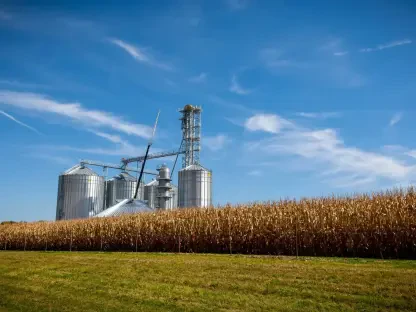
The integration of closed-loop supply chains has redefined the operational strategies of small and medium enterprises across the region. By adopting circular business models, companies are no longer just sellers; they are active participants in a lifecycle that prioritizes resource recovery over disposal. For instance, the agricultural sector has begun utilizing bio-refineries to convert harvest residues into eco-friendly packaging materials and biofuels, creating a secondary revenue stream for rural farmers. This evolution is supported by new financial instruments tailored specifically for green technology investments, providing the necessary capital to scale these operations beyond local markets. Moving forward, the focus shifts toward establishing standardized protocols for material tracking, ensuring that every component used in manufacturing can be traced and reclaimed. This systemic approach ensures that the kingdom remains a competitive player in the international trade arena, where sustainability credentials are becoming a prerequisite.
Industry leaders established several actionable pathways during the summit to ensure that the momentum of the green economy continued to grow through 2027 and 2028. They prioritized the development of a national certification for sustainable manufacturing, which verified that products met rigorous environmental standards before they reached the global market. Investment shifted toward vocational training programs that equipped the workforce with the technical skills required to operate decentralized energy grids and complex recycling machinery. Financial institutions adjusted their lending criteria to favor projects that demonstrated a net-positive impact on biodiversity and carbon sequestration. Furthermore, the government implemented tax incentives for corporations that successfully transitioned to zero-waste production cycles by the end of the year. These strategic decisions provided a clear roadmap for future development, emphasizing that long-term stability depended on the immediate integration of ecological health into every business model.