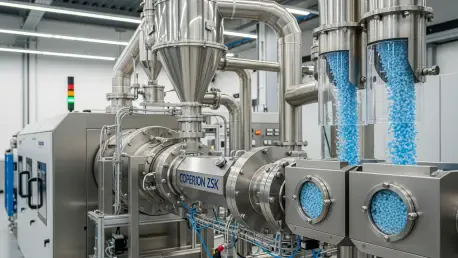

Achieving a truly circular economy for polymers has long been hindered by the technical difficulty of removing contaminants from post-consumer high-density polyethylene and polypropylene, but recent advancements are finally bridging this gap. The recent validation from the U.S. Food & Drug Administration regarding Coperion’s mechanical recycling technology marks a definitive turning point for the industry. By granting a Letter of Non-Objection, the regulatory body has confirmed that the combination of high-performance twin-screw extruders and specialized silo degassing effectively removes volatile impurities to food-grade levels. This certification is not merely a technical formality; it represents a significant hurdle overcome for companies aiming to utilize 100 percent recycled content in food packaging. The technology enables the processing of massive volumes, up to 13,227 pounds per hour, ensuring that high-throughput industrial operations can now meet sustainability targets without sacrificing the safety or integrity of the final consumer product.
1. Advanced Decontamination: Twin-Screw Extrusion and EcoFresh Systems
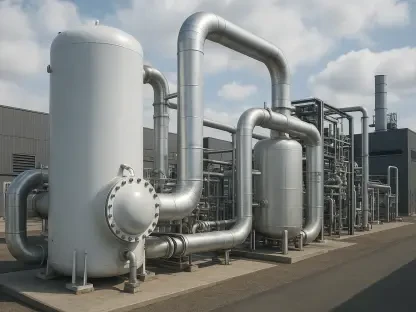
The core of this system relies on a sophisticated mechanical process that addresses the complex molecular structure of high-density polyethylene and polypropylene. Unlike traditional recycling methods that often struggle with the lingering odors and chemical residues inherent in post-consumer plastics, this approach utilizes ZSK twin-screw extruders to achieve intense homogenization. These machines provide the necessary shear and temperature control to break down contaminants while maintaining the mechanical properties of the polymer. The recognition of this specific equipment configuration highlights the precision required to produce material that is indistinguishable from virgin resin in terms of safety. Furthermore, the integration of gravimetric feeders ensures that the input ratio remains consistent, which is critical for maintaining the high standards required for food-contact applications. This level of technical control allows for a predictable output that meets the strict demands of global brands and regulatory agencies.
Scalability remains a primary concern for manufacturers transitioning to recycled feedstocks, yet this approved technology addresses those logistical challenges head-on. The system’s ability to handle production volumes ranging from small, specialized batches to massive industrial outputs of 6,000 kilograms per hour provides unprecedented flexibility. This range allows companies to pilot new products at a smaller scale before committing to full-scale commercialization of recycled packaging lines. Beyond mere volume, the efficiency of the twin-screw setup reduces the overall energy footprint of the recycling process, making it a more viable option for firms focused on carbon neutrality. By optimizing the interaction between the extruder and the downstream degassing units, the system minimizes material degradation, ensuring that the resulting resins can undergo multiple recycling cycles without significant loss in performance. This resilience is essential for establishing a long-term, sustainable infrastructure for plastic waste management.
2. Mechanical Recycling Sequence: From Raw Scraps to Food-Grade Resins
The transition from raw waste to food-grade pellets begins with a rigorous primary extrusion phase that serves as the first line of defense against impurities. During this initial stage, used milk jugs or yogurt containers are fed into the twin-screw extruder where they are melted and blended under highly controlled conditions. As the plastic transitions into a molten state, an integrated degassing system begins to extract volatile organic compounds that could compromise the safety of the final product. This immediate removal of low-boiling-point substances is a crucial step that distinguishes this food-grade process from standard industrial recycling. Following this, the molten plastic is pushed through a high-precision melt filter designed to trap physical contaminants such as paper, foil, or non-target polymers. The resulting purified melt is then pelletized, creating a uniform intermediate product that is ready for the final, more intensive cleaning stage that ensures the material is safe for direct food contact.
Once the material has been pelletized, it enters the EcoFresh silo degassing unit, which functions as the definitive secondary decontamination phase of the process. This stage is designed specifically to target and remove any remaining low-volatility substances that might have survived the initial extrusion process. By exposing the pellets to a controlled environment over an extended period, the silo ensures that even the most stubborn residues are effectively stripped away. This two-part decontamination strategy—combining active extrusion degassing with passive silo cleaning—is what allowed the technology to secure the regulatory approval. The resulting high-density polyethylene and polypropylene meet the rigorous purity requirements needed for versatile food packaging applications. Manufacturers can confidently use these recycled resins for a variety of demanding formats, including containers for hot-filled products, frozen goods, and pasteurized items, without fearing chemical migration.
3. Strategic Forward Planning: Economic and Regulatory Readiness
The successful attainment of the regulatory clearance for these advanced recycling technologies marked a significant milestone in the journey toward a circular economy. Manufacturers who recognized the potential of this mechanical decontamination process moved quickly to integrate these systems into their production lines. By focusing on the twin-screw extrusion and EcoFresh degassing combination, the industry shifted its perspective on the viability of food-grade recycled polyolefins. Stakeholders prioritized investment in standardized testing and material characterization at specialized innovation centers to ensure consistent output quality across different regions. Looking ahead, the focus remained on expanding the reach of these technologies to a broader range of plastic types beyond simple beverage containers. The blueprints established through this success provided the necessary confidence for global brands to transition away from virgin plastics, ensuring that high-density polyethylene remained a safe resource.
In addition to technical verification, manufacturers had to evaluate the economic feasibility of switching to high-throughput mechanical recycling. The cost of virgin resins remained volatile, whereas a stable supply of food-grade recycled materials offered more predictable long-term packaging expenditures. Financial analysts observed that brands with early adoption of these circular systems often enjoyed higher consumer loyalty and better compliance with emerging environmental regulations. As the infrastructure for collecting post-consumer waste continued to improve, the efficiency of these recycling lines increased further. Decision-makers were encouraged to collaborate with technology providers to customize their setups for specific local market conditions and material streams. By integrating these actionable insights into their corporate strategies, firms successfully navigated the complex transition toward a more sustainable and economically sound future for the global plastics industry, setting a new standard for purity.