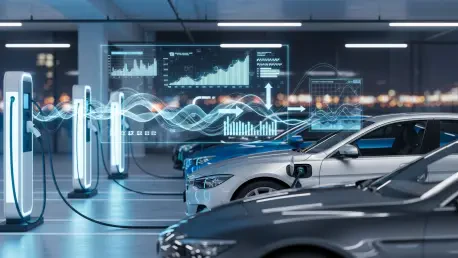

The surge in electric vehicle adoption has historically been viewed as a looming threat to utility infrastructure, yet these mobile energy storage units are rapidly transforming into the very solution needed to maintain grid stability during peak demand periods. As the global fleet of electric cars expands, the collective capacity of their lithium-ion batteries is beginning to dwarf that of stationary utility-scale storage systems. This shift represents a fundamental change in how energy providers perceive individual transportation, moving from a paradigm of consumption to one of active participation in the electrical ecosystem. Modern grids face unprecedented volatility from intermittent renewable sources like wind and solar, creating a desperate need for flexibility that traditional coal or gas plants struggle to provide with the necessary speed. By leveraging the stored energy in millions of parked vehicles, utilities can create a massive, distributed buffer that smooths out frequency fluctuations and provides emergency reserves. This symbiosis between transportation and energy sectors is not merely a theoretical possibility but an operational reality currently being tested and deployed across major metropolitan areas worldwide.
The Role of Bidirectional Charging Technology
Vehicle-to-grid technology, often abbreviated as V2G, has transitioned from a niche pilot concept into a standardized feature for several major automotive platforms, allowing cars to push power back into the domestic infrastructure. The implementation of the ISO 15118-20 communication protocol has been instrumental in this development, as it provides a secure and unified language for vehicles and chargers to exchange complex data regarding state of charge and grid requirements. High-profile models such as the Ford F-150 Lightning and the Hyundai Ioniq 6 are already equipped with the hardware necessary to support bidirectional flow, turning a standard driveway into a critical node for local energy management. When a regional grid experiences a sudden drop in frequency or an unexpected spike in usage, these vehicles can instantly discharge a small fraction of their energy to prevent brownouts. This capability effectively transforms the vehicle owner from a passive consumer into an active grid participant, often earning credits or direct payments for the services provided.
Beyond simple grid stabilization, the integration of Vehicle-to-Home systems is proving to be a revolutionary safety net for residential energy independence during severe weather events or equipment failures. By utilizing a specialized home integration kit, a vehicle can power a typical American household for several days, bypassing the traditional limitations of smaller, wall-mounted backup batteries. This technology relies on sophisticated onboard inverters that convert the battery’s direct current into the alternating current required by household appliances with high efficiency. The refinement of silicon carbide power electronics has significantly reduced thermal losses during these conversions, making the process economically viable for the average consumer. As utilities continue to modernize their hardware, they are increasingly offering incentives for customers who install these bidirectional systems, recognizing that a resilient home contributes to a more robust neighborhood network. This decentralized approach reduces the strain on aging transformers and extends the life of existing distribution equipment.
Strategic Orchestration and Future Grid Resilience
The concept of the Virtual Power Plant, or VPP, has gained significant momentum as a means of coordinating thousands of individual electric vehicles into a single, cohesive energy resource that acts like a traditional power station. Software platforms such as Tesla’s Autobidder and various utility-specific management systems use advanced algorithms to predict when the grid will need additional support. During the current deployment phase spanning from 2026 to 2028, grid operators are seeing a significant reduction in peak-load stress as more bidirectional-capable vehicles enter the market. By aggregating the spare capacity of diverse fleets, these systems can offer megawatts of power to the market in seconds, a feat that typically requires firing up expensive gas peaker plants. This orchestration requires precise timing and reliable connectivity, ensuring that vehicles are only called upon when they are plugged in and have sufficient range remaining. The intelligence behind these platforms is now capable of balancing the specific needs of the grid with the personal preferences of the driver.
Stakeholders focused on the integration of vehicle assets into the broader energy landscape and successfully demonstrated that decentralized storage could replace aging fossil fuel infrastructure. Engineers prioritized the development of standardized communication protocols that enabled different vehicle brands to communicate seamlessly with diverse utility networks. Policy experts advocated for the removal of bureaucratic barriers that hindered the expansion of residential V2G programs and encouraged the adoption of dynamic pricing models. Moving forward, automotive manufacturers should accelerate the inclusion of bidirectional hardware as a standard feature across all vehicle segments. Utility providers must continue to invest in advanced grid management software that can handle the complexity of millions of bidirectional nodes. Local governments needed to incorporate high-density charging hubs into their development strategies to ensure equitable access to grid participation. These efforts transformed the electric vehicle into a cornerstone of a carbon-neutral energy future.