
Global energy landscapes are undergoing a profound transformation as geopolitical instability and volatile fossil fuel prices force a rapid reassessment of national security protocols. As current years set new benchmarks for average temperatures, the transition away from carbon-heavy energy sources has evolved from a secondary environmental objective into a fundamental economic necessity. While wind and geothermal power have made significant strides, they often face substantial hurdles regarding geographic placement and the massive infrastructure required for long-distance transmission. Solar energy, conversely, has distinguished itself by offering unparalleled scalability and adaptability, making it the most viable candidate for a universal clean energy foundation. Historically, concerns regarding the intermittency of sunlight and the degradation of panel efficiency hindered widespread adoption, but a recent wave of technological breakthroughs has systematically dismantled these barriers, establishing solar as a reliable primary power source for the modern grid.
The acceleration of solar technology is not merely the result of incremental improvements but rather a series of foundational shifts in how energy is captured, managed, and stored. These advancements range from the molecular engineering of photovoltaic cells to the implementation of complex, decentralized distribution networks that mirror the complexity of the internet. By reimagining the physical form of solar collectors and integrating advanced software, the industry has managed to provide consistent power even in regions previously considered unsuitable for high-capacity solar harvesting. This analysis examines ten specific breakthroughs that have redefined the limits of renewable energy, ensuring that modern society can maintain its high-energy lifestyle without compromising the ecological health of the planet or the stability of the electrical infrastructure.
Breakthroughs in Cell Architecture and Versatility
Engineering for Enhanced Efficiency: The Rise of Modern Cell Designs
The transition from traditional monocrystalline silicon to advanced cell architectures like Tunnel Oxide Passivated Contact (TOPCon) and Heterojunction (HJT) technology represents a significant leap in energy conversion efficiency. In a standard silicon cell, electron recombination at the surface often leads to substantial energy loss, which limits the total output of the panel. TOPCon cells solve this issue by introducing an ultra-thin tunnel oxide layer and a heavily doped polycrystalline silicon layer, which effectively passivates the surface and allows for higher open-circuit voltages. This microscopic engineering ensures that a larger percentage of captured photons are converted into usable electricity, pushing commercial efficiency rates well beyond the limits of previous decades. Furthermore, HJT technology combines crystalline silicon with thin-film amorphous silicon, creating a “sandwich” effect that captures light more effectively while significantly reducing the performance drop that typically occurs in high-temperature environments.
These engineering advancements have also addressed the long-standing problem of performance degradation over time. By utilizing materials that are more resistant to Light-Induced Degradation (LID) and LeTID (Light and elevated Temperature Induced Degradation), modern panels maintain their peak output for much longer durations. This longevity is critical for large-scale utility projects where the return on investment is calculated over several decades. Moreover, the improved spectral response of these new cell designs allows them to remain productive during the early morning and late evening hours, as well as on overcast days when traditional panels might struggle. By widening the window of daily energy production, these cells provide a more predictable and stable supply of electricity to the grid, reducing the burden on backup power systems and making the overall energy network much more resilient against seasonal weather variations.
Flexible Materials and Urban Integration: Powering the Vertical City
The development of thin-film solar technology and flexible substrates has liberated photovoltaic systems from the constraints of heavy, rigid glass frames. Using materials such as Copper Indium Gallium Selenide (CIGS) or organic photovoltaics, manufacturers can now produce solar collectors that are thin enough to be integrated into curved surfaces and lightweight materials. This breakthrough allows for the electrification of transportation sectors in ways previously thought impossible, such as integrating solar arrays directly into the aerodynamic roofs of electric vehicles or long-haul trucking trailers. By providing a continuous trickle charge to onboard batteries, these flexible panels extend the range of EVs and reduce the frequency of necessary charging stops, effectively turning the vehicle itself into a mobile power generator that functions whenever it is exposed to the sky.
Urban environments, where horizontal space is at a premium, are seeing a revolution through the implementation of Building-Integrated Photovoltaics (BIPV), specifically solar glass. This technology utilizes specialized coatings that allow visible light to pass through for building occupants while capturing ultraviolet and infrared wavelengths to generate electricity. When skyscrapers are outfitted with these energy-generating windows, they transition from massive energy consumers to self-sustaining power hubs. This vertical expansion of the solar footprint is complemented by bifacial panels, which capture sunlight on both sides. By utilizing the albedo effect—where light reflects off the ground, neighboring buildings, or even clouds—bifacial systems can boost energy yield by up to 30 percent. This is particularly effective in snowy or sandy regions, where the reflective surface provides a constant stream of “secondary” light to the underside of the panels, maximizing the utility of every square inch of the installation.
Innovations in Placement and Localized Distribution
Maximizing Resource Use: Floating Solar and Hydroelectric Synergy
As the competition for arable land increases between energy developers and the agricultural sector, “floatovoltaics” have emerged as a strategic solution for high-density power generation. By installing solar arrays on large bodies of water, such as irrigation ponds, industrial reservoirs, or water treatment facilities, developers can bypass the logistical and financial hurdles associated with land acquisition. The primary technical advantage of this placement is the natural cooling effect provided by the water. Because solar panels lose efficiency as they heat up, the lower ambient temperature of the aquatic environment allows them to operate at peak performance levels for longer periods. Additionally, the presence of the solar panels reduces water evaporation by shielding the surface from direct sunlight and wind, which preserves vital water resources in drought-prone areas while simultaneously preventing the growth of harmful algae blooms.
The integration of floating solar with existing hydroelectric infrastructure creates a powerful hybrid energy system that significantly enhances grid reliability. Hydroelectric dams already possess the necessary transmission lines and grid connections, allowing solar projects to be brought online more quickly and at a lower cost. During the daytime, the solar arrays can provide the majority of the power output, allowing the dam to conserve its water reserves. When the sun sets or cloud cover reduces solar output, the hydroelectric turbines can be dialed up to meet the demand, effectively using the reservoir as a giant, naturally occurring battery. This synergy ensures a continuous and steady flow of electricity regardless of the time of day, addressing the problem of solar intermittency without the need for massive new battery installations. It represents a sophisticated approach to resource management that maximizes the utility of existing civil engineering projects while accelerating the transition to clean energy.
Community Networks: Microgrids and Distributed Resilience
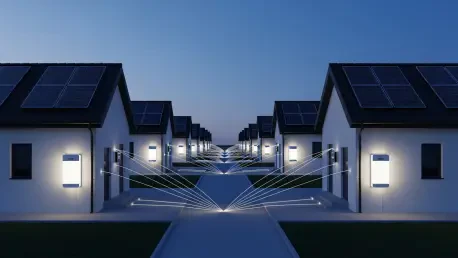
The rise of localized microgrids is fundamentally changing the relationship between the consumer and the utility provider by creating self-sufficient energy islands. A microgrid is a localized group of electricity sources—such as rooftop solar arrays and neighborhood battery storage—that can operate autonomously from the main centralized power grid. During regional blackouts caused by extreme weather or equipment failure, a microgrid can “island” itself, maintaining power for critical services like hospitals, emergency shelters, and grocery stores. This decentralized approach prevents a single point of failure from cascading into a widespread disaster. By spreading the energy generation across thousands of individual nodes rather than relying on a few massive power plants, the overall stability of the national infrastructure is greatly enhanced, making the system much more difficult to disrupt through either physical or digital means.
Beyond emergency resilience, distributed energy systems utilize net metering and peer-to-peer energy trading to create a more efficient economic model for electricity. In this framework, homeowners with solar panels can sell their excess energy directly to their neighbors or back to the utility company during peak demand hours. This two-way flow of energy and capital incentivizes the adoption of solar technology while reducing the need for utilities to build expensive “peaker” plants that only run during high-demand periods. The integration of smart meters and automated billing software allows this exchange to happen seamlessly, turning every solar-equipped household into a micro-utility. This democratization of energy production not only lowers costs for the end-user but also creates a more flexible grid that can dynamically adjust to shifting load patterns in real-time, ensuring that power is always available where it is needed most.
Intelligent Management and Future Materials
Digital Optimization: Utilizing Artificial Intelligence and IoT
The modern solar array is no longer a passive collection of hardware but an intelligent, data-driven asset managed by Artificial Intelligence and the Internet of Things (IoT). Advanced AI algorithms are now capable of performing real-time Maximum Power Point Tracking (MPPT), which continuously adjusts the electrical characteristics of the inverters to ensure the system is always extracting the maximum amount of power from the sunlight available. These systems can process vast amounts of meteorological data, predicting cloud movements and adjusting storage strategies minutes or even hours in advance. By coordinating the behavior of the solar panels, the battery storage, and the household appliances, AI ensures that the energy consumed is as cheap and clean as possible, automatically shifting heavy loads like dishwashers or EV chargers to times when solar production is at its peak.
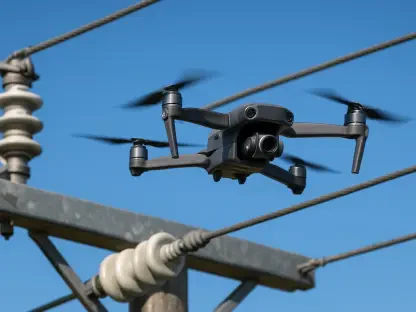
Predictive maintenance has also been revolutionized by the deployment of smart sensors and digital twin technology. Each component of a solar installation can now transmit health data to a central management system, which uses machine learning to identify anomalies that indicate a pending hardware failure. For example, a slight decrease in the efficiency of a single string of panels or a minor increase in the operating temperature of an inverter can be flagged before the system goes offline. This allows technicians to perform targeted repairs during scheduled maintenance windows, eliminating the costly downtime and emergency repair fees associated with sudden breakdowns. In large-scale utility farms, autonomous drones equipped with thermal imaging cameras can scan thousands of panels in a single flight, identifying microscopic cracks or “hot spots” that are invisible to the naked eye, thereby ensuring the entire field remains at peak productivity throughout its operational life.
Emerging Material Frontiers: Perovskite and Tandem Cell Innovations
Material science is on the verge of a historic shift as Perovskite solar cells move from the laboratory to mass production. Perovskites are a class of materials that share a specific crystal structure, which can be manufactured using low-cost chemical processes rather than the energy-intensive silicon purification methods used today. These materials are exceptionally efficient at absorbing light and can be printed or sprayed onto various surfaces, including flexible plastics. While the industry has spent recent years refining the stability and moisture resistance of these cells, the current generation of Perovskite technology offers a path toward significantly cheaper solar energy. Because the material is so thin and lightweight, it requires far less structural support than silicon, further reducing the total cost of installation and opening up new possibilities for portable power in remote or developing regions.
The most promising application of this technology lies in tandem cells, which layer a Perovskite coating directly onto a traditional silicon base. Each material is tuned to absorb a different segment of the solar spectrum; the Perovskite layer captures high-energy blue photons, while the silicon layer beneath it captures the lower-energy red and infrared photons. This multi-junction approach allows the tandem cell to surpass the theoretical efficiency limit of silicon alone, which has long been a bottleneck for the industry. By combining the proven durability of silicon with the high-performance potential of Perovskite, manufacturers have created a hybrid panel that is both robust and incredibly powerful. This breakthrough ensures that solar installations can generate more power from the same amount of space, making solar projects more financially attractive and accelerating the replacement of aging fossil fuel infrastructure with high-efficiency renewable alternatives.
The Foundation of Constant Energy Availability
Storage Mastery: Securing the Future Through Integrated Logic
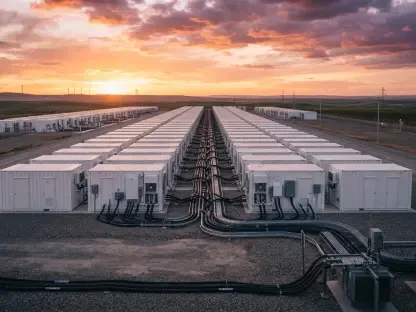
The reliability of solar energy is ultimately defined by the capacity and efficiency of the storage systems that bridge the gap between daylight and darkness. The transition from older lead-acid technology to modern Lithium Iron Phosphate (LFP) and Nickel Manganese Cobalt (NMC) chemistries has fundamentally solved the problem of energy density and cycle life. Modern lithium-ion batteries are capable of thousands of charge-discharge cycles without significant degradation, meaning a home storage system can reliably serve a household for over a decade. These systems act as the central nervous system of the solar setup, smoothing out the “spikes” in production and ensuring that delicate electronic equipment receives a consistent, high-quality voltage. The ability to store large quantities of energy in a compact, safe, and maintenance-free unit has transformed solar from an experimental supplement into a dependable utility-grade solution.
Advanced Battery Management Systems (BMS) have also introduced a level of safety and intelligence that was previously unattainable. These software-driven controllers monitor the temperature, voltage, and state of charge of every individual cell within a battery pack, preventing overheating and ensuring that the battery operates within its optimal parameters. This not only extends the life of the hardware but also allows for more aggressive fast-charging when the sun is at its zenith. Furthermore, the integration of Vehicle-to-Grid (V2G) technology is beginning to allow the massive batteries found in electric vehicles to serve as backup power for the home or the wider grid. By treating every parked EV as a potential energy reservoir, the total storage capacity of the nation can be scaled up rapidly without the need for additional standalone battery farms, creating a highly efficient and interconnected energy ecosystem.
Strategic Integration: Redefining Grid Reliability for Modern Society
The convergence of these ten breakthroughs proved that the challenge of solar intermittency was not an inherent flaw of the technology but a temporary hurdle that engineering and digital logic could overcome. By diversifying the physical form of solar collectors through flexible thin-films and transparent glass, the industry successfully expanded the potential for energy generation into every corner of the built environment. These advancements were supported by the strategic placement of floating arrays and the development of microgrids, which provided the necessary infrastructure to manage power locally and resiliently. The introduction of Artificial Intelligence ensured that these complex systems operated with maximum efficiency, while the evolution of storage technology provided the “baseload” stability required to power a modern economy twenty-four hours a day.
The collective impact of these innovations shifted the global energy paradigm toward a more sustainable and secure model of production. Policymakers and industry leaders recognized that the initial investments in smart grid technology and advanced material research yielded dividends in the form of lower energy costs and enhanced national security. To maintain this momentum, stakeholders prioritized the standardization of microgrid protocols and the expansion of domestic manufacturing for tandem solar cells. The integration of high-capacity storage with intelligent distribution networks ensured that the lights stayed on regardless of the weather or the time of day. As these technologies continued to mature, the focus turned toward the recycling and circularity of solar components, ensuring that the clean energy revolution remained ecologically responsible from the start of the manufacturing process to the end of the equipment’s operational life.