
The relentless intensification of seasonal heatwaves across North Africa has transformed the stability of the national power grid from a technical concern into a matter of urgent national security for the Egyptian government. While the previous decade focused heavily on expanding generation capacity through massive power plant projects, the current strategy emphasizes the concept of energy efficiency as the most valuable resource available. This pivot recognizes that the cost of generating an additional kilowatt-hour often exceeds the investment required to save that same unit of energy through smart technology and improved infrastructure. As the population continues to surge and urban centers expand, the strain on existing systems necessitates a sophisticated approach that integrates digital monitoring with architectural innovation. By aligning these efforts with long-term sustainability goals, the nation is working to reduce its dependence on costly fuel imports and ensure that its industrial growth remains uninterrupted even during the peak demands of the blistering summer months.
Structural and Technological Improvements
Building Efficiency: Passive Cooling and Material Innovation
Passive cooling represents a fundamental, low-tech defense mechanism that serves as the primary barrier against escalating energy consumption within the domestic architectural landscape. Given that the building sector is responsible for a substantial portion of national power use, reducing the thermal load through the application of advanced radiative cooling materials and high-performance insulation has become a priority. Architects are increasingly integrating traditional natural ventilation techniques with modern reflective coatings that allow structures to maintain stable internal temperatures despite external conditions. These materials work by reflecting a high percentage of solar radiation back into the atmosphere while simultaneously emitting heat in the form of infrared radiation. By minimizing the amount of heat that enters a building during the day, these structural enhancements significantly decrease the energy required for mechanical cooling, providing a sustainable foundation for future urban development projects.
Beyond individual residential units, the large-scale application of these thermal management strategies is essential for creating resilient urban environments that can withstand prolonged periods of high heat. The integration of phase-change materials in wall construction and the use of specialized glass that filters out heat while allowing light to pass through are becoming standard practices in new high-density developments. These innovations do not merely provide comfort but act as a buffer for the national grid by flattening the demand curve during the hottest parts of the afternoon. When buildings can retain cool air longer, the immediate need for air conditioning is delayed, preventing the sudden surges that lead to localized outages. This structural shift is also accompanied by a reevaluation of urban planning, where the placement of green spaces and the orientation of streets are designed to enhance airflow and reduce the urban heat island effect, further augmenting the efficiency of modern Egyptian cities.
Appliance Standards: Scaling High-Efficiency Hardware
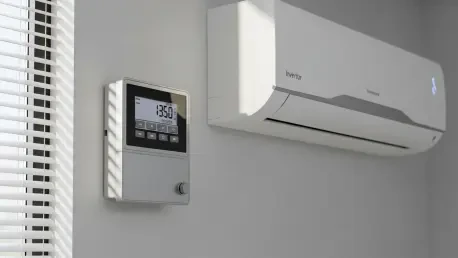
While structural improvements address the external environment, the internal efficiency of household and industrial equipment is where the most immediate gains in power conservation are being realized. The widespread adoption of inverter technology in air conditioning systems has emerged as a critical factor, as these units can adjust their compressor speed to maintain temperature rather than cycling on and off. This operational flexibility allows for energy savings of up to forty percent compared to traditional fixed-speed models, making them an essential component of the national efficiency strategy. However, the transition to these high-efficiency appliances is frequently hampered by the initial purchase price, which remains higher than conventional alternatives for the average Egyptian consumer. To overcome this, the government and private financial institutions are exploring specialized credit programs and subsidies that make the long-term savings of smart appliances more accessible to a broader demographic.
The push for higher standards also extends to the industrial sector, where motors, pumps, and heavy machinery are being upgraded to meet more stringent performance benchmarks. In many manufacturing facilities, outdated equipment continues to draw excessive power, leading to significant financial waste and unnecessary strain on the regional energy supply. By implementing mandatory energy audits and offering tax incentives for companies that invest in certified energy-saving technologies, the state is encouraging a faster turnover of industrial hardware. This systematic upgrade of the nation’s technical equipment ensures that the benefits of efficiency are felt across the entire economic spectrum, from individual homes to massive industrial complexes. Furthermore, the establishment of clear labeling requirements helps consumers make informed decisions, ensuring that every new purchase contributes to a more sustainable energy balance. This focus on hardware ensures that efficiency is built into the very fabric of the nation’s daily operations.
Digital Transformation and Strategic Policy
Digital Infrastructure: Smart Grids and Resource Protection
The digitalization of the national power grid is currently centered on the comprehensive rollout of smart and prepaid electricity meters, replacing millions of outdated mechanical units across the country. This transition provides the utility providers with the ability to monitor consumption patterns in real time, allowing for more accurate load forecasting and a significant reduction in billing errors. For the consumer, prepaid systems offer a transparent way to manage household budgets, as they provide immediate feedback on energy use and encourage more mindful consumption habits. These smart meters also facilitate the introduction of time-of-use pricing models, where electricity rates can be adjusted based on the time of day to incentivize the shifting of heavy loads to off-peak hours. By spreading demand more evenly across the twenty-four-hour cycle, the grid becomes more resilient and less prone to the stress-induced failures that typically occur during the peak summer evening hours.
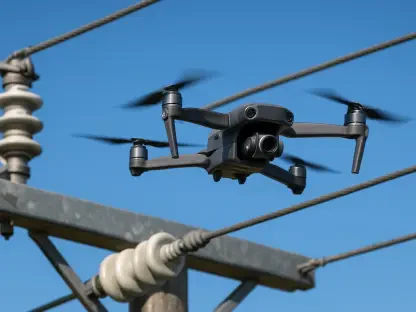
Beyond simple metering, the integration of advanced data analytics into the grid infrastructure allows for predictive maintenance and a more rapid response to technical disruptions. Modern sensors installed throughout the distribution network can detect anomalies that indicate potential equipment failure before it occurs, enabling technicians to perform repairs without interrupting service. This level of visibility is equally critical for the natural gas sector, where AI-integrated monitoring systems are being used to identify and prevent resource loss throughout the distribution chain. These systems use sophisticated algorithms to detect unusual flow patterns that might indicate illegal tampering, theft, or mechanical leaks that would otherwise go unnoticed for long periods. By rapidly identifying these issues, the government can recover significant volumes of natural gas, which can then be redirected to domestic industrial use or prepared for export. This proactive approach to resource protection ensures that every unit of energy is accounted for and utilized.
Sustainable Urbanization: Policy and Smart City Integration
Technology serves as a powerful tool for conservation, but the long-term success of these initiatives depends on fostering a national culture of energy mindfulness and strict adherence to policy mandates. Public regulations, such as setting minimum thermostat levels in government buildings and enforcing rigorous energy-efficiency labeling on all new appliances, help to steer consumer behavior in a more sustainable direction. Following international models of resource management, Egypt is working to ensure that both the public and private sectors comply with higher standards of energy use through continuous monitoring and periodic audits. These behavioral shifts are complemented by educational campaigns that highlight the economic benefits of conservation, empowering citizens to take an active role in reducing the national carbon footprint. By integrating these regulatory frameworks into the broader urban development strategy, the state ensures that efficiency becomes a mandatory consideration for all future growth.
The implementation of the National Smart Cities Strategy represented the final stage in creating a decentralized and resilient energy system that empowered individual consumers to manage their own utility usage. By mandating the installation of solar photovoltaic systems on all new constructions, the government effectively turned residential and commercial buildings into small-scale power plants. This transition was supported by AI-driven smart home systems that allowed citizens to monitor their own energy footprints while reducing the overall strain on the central national grid. It was observed that these decentralized production models provided a reliable buffer during periods of peak demand, ensuring that the progress made in efficiency was matched by a more flexible supply network. Moving forward, the focus was placed on expanding these localized energy storage solutions and fostering international partnerships for technological exchange. Ultimately, the lessons learned from this integration suggested that a combination of digital monitoring and public participation remained the most effective path toward long-term energy security.