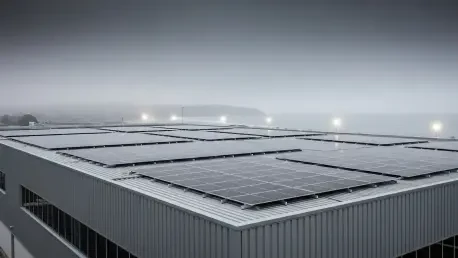

For decades, the prevailing narrative surrounding renewable energy suggested that photovoltaic technology remained a luxury reserved exclusively for residents of sun-drenched regions like Arizona or Southern California. However, the rapid evolution of silicon-based semiconductors and the widespread deployment of bifacial panel technology have fundamentally altered this landscape, making solar installations increasingly viable in environments characterized by persistent overcast skies and frequent precipitation. While the sheer intensity of direct irradiance is undeniably lower in northern latitudes or coastal zones, modern systems are specifically engineered to capitalize on diffuse light—the type of radiation that filters through cloud cover and bounces off the surrounding environment. This shift in capability means that homeowners and industrial facility managers in places once thought unsuitable for solar are now seeing significant reductions in their monthly utility expenses.
Innovations in Photovoltaic Sensitivity and Efficiency
Modern solar cells, particularly those utilizing N-type monocrystalline silicon, were designed to absorb a broader spectrum of light than their predecessors, which primarily relied on direct ultraviolet and visible wavelengths. This advancement proved essential for cloudy climates where the available light is often scattered and shifted toward the infrared or blue ends of the spectrum depending on the thickness of the cloud layer. High-efficiency cells, often incorporating TopCon or HJT architectures, maintained better conversion rates during low-light periods by minimizing internal resistance and maximizing the capture of photons from every available angle. Furthermore, the integration of specialized anti-reflective coatings allowed panels to trap light more effectively even when the sun was obscured by dense fog or heavy smog. By focusing on spectral sensitivity, manufacturers ensured that energy production remained steady, providing a more predictable baseline of power for residential and commercial grids.
Building upon these hardware improvements, the industry moved toward bifacial modules that captured energy from both the front and rear surfaces, significantly boosting yields in overcast environments. In these settings, diffuse light reflected from the ground or surrounding buildings—often called albedo—contributed a substantial portion of the total energy harvest. When combined with advanced power optimizers, these systems mitigated the performance degradation traditionally associated with uneven shading or varying light intensity across an array. These optimizers functioned at the individual module level, ensuring that one underperforming panel did not drag down the output of the entire string. Moreover, the shift toward intelligent monitoring systems allowed for real-time adjustments in load management, enabling facilities to prioritize critical energy needs even when production dipped. This holistic approach to system design turned environmental limitations into manageable variables.
Energy Management: Strategies for Sustainable Independence
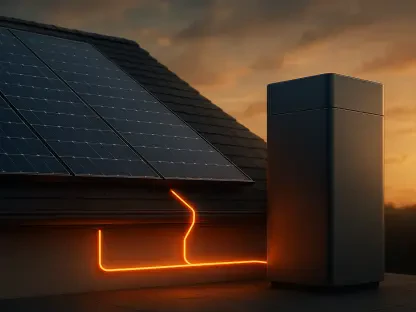
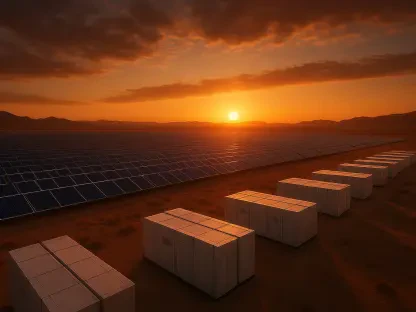
The successful deployment of solar technology in cloudy climates eventually required a transition toward integrated energy ecosystems that combined storage with intelligent forecasting. Homeowners and businesses that adopted these systems moved beyond simple energy generation to become active participants in the modern grid through localized battery reserves. These storage solutions allowed for the accumulation of energy during peak production hours, which was then deployed during periods of heavy cloud cover or at night. The use of lithium-iron-phosphate or solid-state batteries ensured that excess power was not wasted, providing a reliable buffer against the intermittency of localized weather. Furthermore, the integration of smart appliances that communicated with the solar inverter helped to automate energy consumption, shifting high-load activities to times when production was at its highest. This strategic alignment of demand and supply transformed the perception of solar from a seasonal supplement.
To maximize these gains, stakeholders moved toward participation in virtual power plants that aggregated small-scale solar arrays into a single, grid-balancing resource during 2026. This evolution allowed individual system owners to earn additional revenue by providing frequency regulation and peak shaving services to the local utility provider. The emphasis shifted from maximizing raw kilowatt-hour production to optimizing the timing and reliability of energy delivery. Organizations that conducted thorough site-specific audits and utilized advanced modeling software were able to predict their annual savings with high precision, factoring in historical cloud data and localized weather patterns. Ultimately, the industry reached a point where the geographic location of a project was secondary to the sophistication of its management and the clarity of its regulatory environment. By embracing these hybrid models and leveraging data analytics, users in cloudy regions secured long-term financial stability.