
Texas stands at a critical crossroads where the legendary independence of its power grid faces an unprecedented challenge from a surge in industrial and technological requirements. Recent forecasts from the Electric Reliability Council of Texas suggest that the state could see its peak demand climb from roughly 85 gigawatts to nearly 150 gigawatts by the end of the current decade. This massive spike is not merely a gradual increase but a structural shift driven by the rapid expansion of energy-intensive industries that view the Lone Star State as a primary hub for operations. The sheer scale of this growth requires a fundamental reassessment of how energy is generated, transmitted, and managed across the sprawling service area. Balancing this projected demand while maintaining reliability has become the defining technical hurdle for the region’s energy leaders. Planners must now account for a reality where historic growth patterns no longer suffice.
Rising Consumption: The Catalyst of Data and Industry
The primary driver behind these staggering projections is the exponential growth of data centers and the infrastructure required to support advanced artificial intelligence. In cities like Dallas and Austin, massive server farms are being constructed at a record pace, each requiring hundreds of megawatts to sustain high-performance computing tasks essential for modern digital services. Unlike traditional residential loads, these facilities operate with a high load factor, meaning they consume large amounts of power consistently throughout the day and night. Furthermore, the burgeoning cryptocurrency mining sector has found a foothold in Texas, attracted by the competitive market structure and the potential for demand response participation. These industrial consumers represent a new class of energy demand that could potentially strain existing resources if the grid does not expand in lockstep with their arrival. Integrating these loads requires precision in grid management that was once unnecessary.
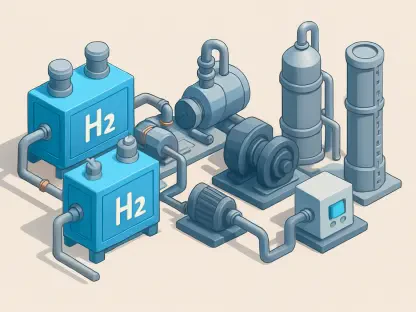
Beyond the digital landscape, the traditional industrial sectors of Texas are undergoing a massive electrification process that adds significant pressure to the electrical system. The Permian Basin, which serves as the heart of American oil production, is transitioning away from localized gas-fired engines toward electric motors for drilling and pumping operations. This shift is intended to reduce onsite emissions and improve operational efficiency, but it necessitates a robust electrical infrastructure in remote areas where the grid was previously underdeveloped. Additionally, the emergence of green hydrogen production and large-scale manufacturing facilities contributes to the shifting energy profile of the state. These sectors are not just adding to the volume of energy consumed; they are changing the geography of demand, forcing planners to rethink how to deliver power across vast distances. The convergence of heavy industry and high technology creates a demand profile that is massive and diverse.
Strategic Integration: Modernizing Infrastructure and Market Policy
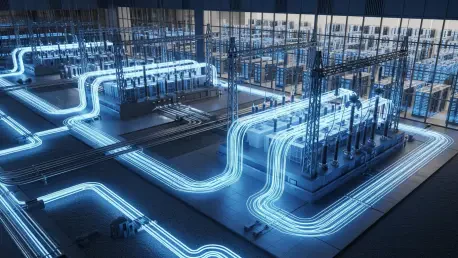
Addressing a potential doubling of energy demand requires more than just building new power plants; it necessitates a massive overhaul of the transmission and distribution networks. Texas has historically led the nation in wind and solar integration, but much of this generation is located in the western and coastal regions, far from the major population centers of the Texas Triangle. The existing transmission lines are increasingly prone to congestion, which prevents the most cost-effective energy from reaching the consumers who need it most. To mitigate these bottlenecks, ERCOT and the Public Utility Commission are evaluating several multi-billion dollar projects aimed at expanding high-voltage corridor capacity. These infrastructure upgrades are essential to ensure that the grid can handle the bi-directional flow of electricity and maintain stability during extreme weather events. Without these critical links, even an abundance of generation will fail to ensure reliability.
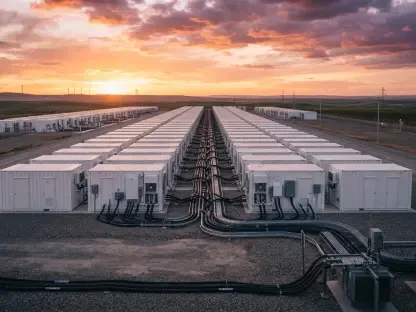
Stakeholders recognized that the path forward necessitated a multi-faceted strategy combining technological innovation with aggressive infrastructure investment. They prioritized the deployment of utility-scale battery storage systems, which provided a crucial buffer during the transition between peak solar output and evening demand spikes. Energy planners successfully implemented more southern and western transmission expansions to unlock stranded renewable capacity. Local governments and utility companies also collaborated on advanced demand-response programs, allowing large industrial users to shed load during emergencies in exchange for lower rates. These proactive steps ensured that the grid evolved from a traditional centralized system into a more dynamic and responsive network. By focusing on supply-side expansion and demand-side flexibility, the state established a robust framework that allowed it to support massive economic growth while maintaining a stable and affordable energy supply long term.